
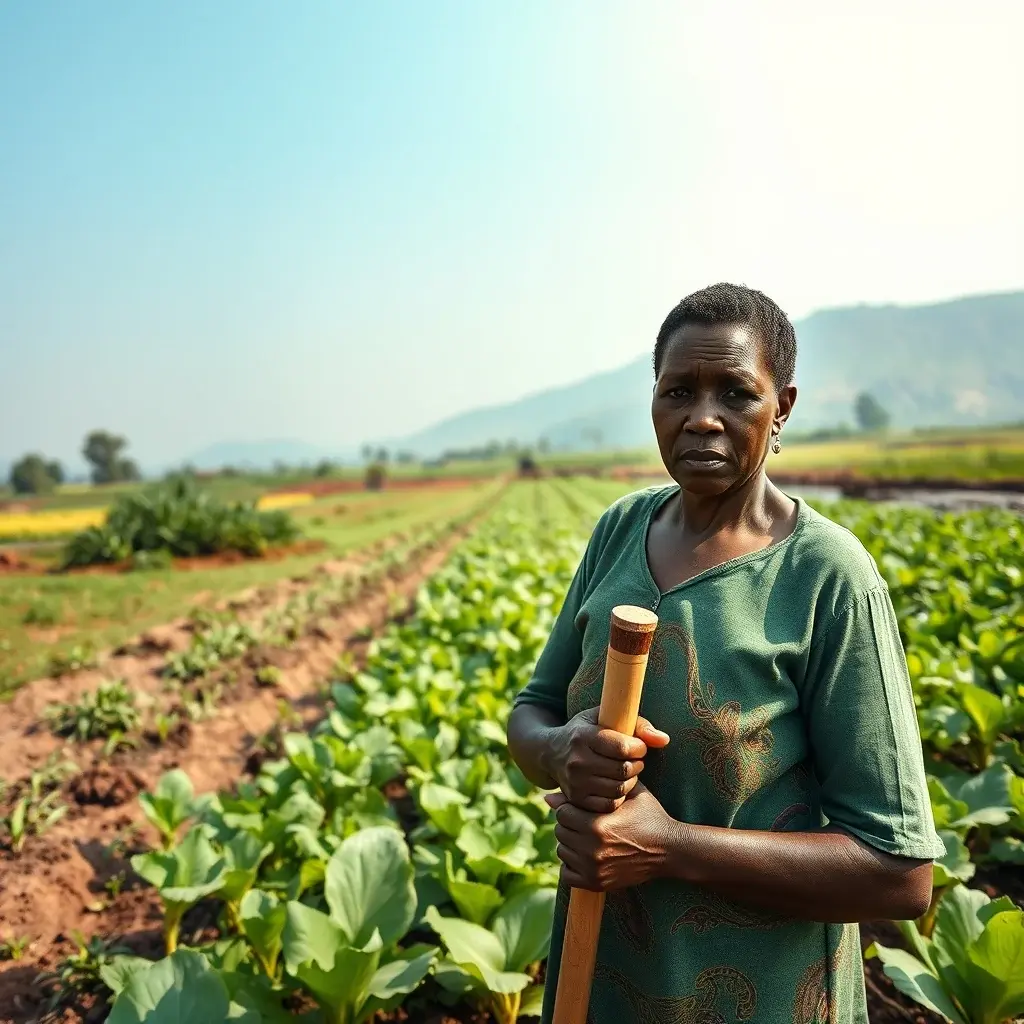
Accra, Ghana – The United Nations Working Group on the Rights of Peasants and Other People Working in Rural Areas has issued a stark warning that Ghana risks future food crises, social unrest, and escalating national insecurity if it continues to neglect sustainable agriculture and the livelihoods of its rural populations. The group’s findings, presented at an end-of-mission press briefing on Thursday in Accra, highlight the severe long-term consequences of failing to invest in resilient, input-independent farming methods.
Context of Rural Vulnerability
The UN Working Group’s caution stems from a 10-day official visit to Ghana, during which its members engaged with various stakeholders, including government bodies, farmers, fisherfolk, pastoralists, civil society organizations, and rural communities. Their assessment focused on the human rights situation of peasants and rural workers, revealing critical vulnerabilities.
Professor Uche Ofodile, a member of the Working Group representing Africa, emphasized that the issue extends beyond mere food availability. It encompasses nutritional security, national sovereignty, youth unemployment, and overall economic resilience. A significant concern is Ghana’s, and indeed much of Africa’s, overdependence on imported agricultural inputs and global supply chains, leaving nations susceptible to external shocks and price volatility.
Twin Threats: Galamsey and Industrial Agriculture
The experts identified two major threats confronting Ghana’s rural economy: climate change and illegal mining, widely known as “galamsey.” The Working Group described “galamsey” as the nation’s “most acute, rapidly expanding, and politically charged environmental emergency.” This illicit activity contaminates rivers, destroys farmland, and spreads toxic chemicals like mercury, posing a direct threat to agricultural productivity and public health.
Beyond environmental devastation, “galamsey” is seen as a symptom of deeper economic failures. The allure of quick, albeit illegal, income draws young people away from farming, exacerbating youth unemployment in rural areas. This trend is particularly concerning for young women, who face increased economic vulnerability and higher rates of teenage pregnancy.
Furthermore, the Working Group raised alarms about Ghana’s current agricultural transformation agenda. While policies aim at modernization and climate resilience, the increasing focus on mechanized and export-oriented agriculture risks marginalizing the very smallholder farmers and rural communities who form the backbone of the nation’s food production. These groups often find themselves excluded from meaningful participation in decision-making processes that affect their land and livelihoods.
Land Insecurity and Gender Disparities
Land insecurity emerged as another critical issue, particularly affecting women, youth, pastoralists, and smallholder farmers. Despite their crucial roles in agricultural and fisheries value chains, women remain largely excluded from land ownership and decision-making. This exclusion undermines their economic empowerment and security.
The group also highlighted a disturbing concern regarding older women farmers, who are sometimes vulnerable to witchcraft accusations. Such accusations can lead to displacement and the loss of their livelihoods, adding another layer of precariousness to rural life.
Acknowledging Progress, Stressing Need for Action
The delegation did acknowledge Ghana’s efforts, commending its constitutional human rights framework and recent legislation such as the Fisheries and Aquaculture Act 2025, the Social Protection Act 2025, and the Affirmative Action (Gender Equity) Act 2024. Initiatives like the Community Resource Management Area model and the National Alternative Employment and Livelihood Programme were praised as positive examples of inclusive governance.
However, the Working Group stressed that these commendable steps are insufficient without stronger political will, deeper community participation, and sustained, long-term investment in truly sustainable agriculture and rural development. Professor Ofodile urged the media to play a vital role in amplifying the concerns of peasant farmers and bringing their challenges to the forefront of public discourse.
Looking Ahead
The UN Working Group on the Rights of Peasants and Other People Working in Rural Areas, established in 2024, monitors the implementation of the UN Declaration on the Rights of Peasants. Its comprehensive report, detailing findings and recommendations following the Ghana mission, is slated for presentation to the UN Human Rights Council in September 2026. The group invited media and other stakeholders to partner in their mandate to protect and promote the rights of rural communities, signaling a call for continued attention and action on these pressing issues.






Leave a Reply