
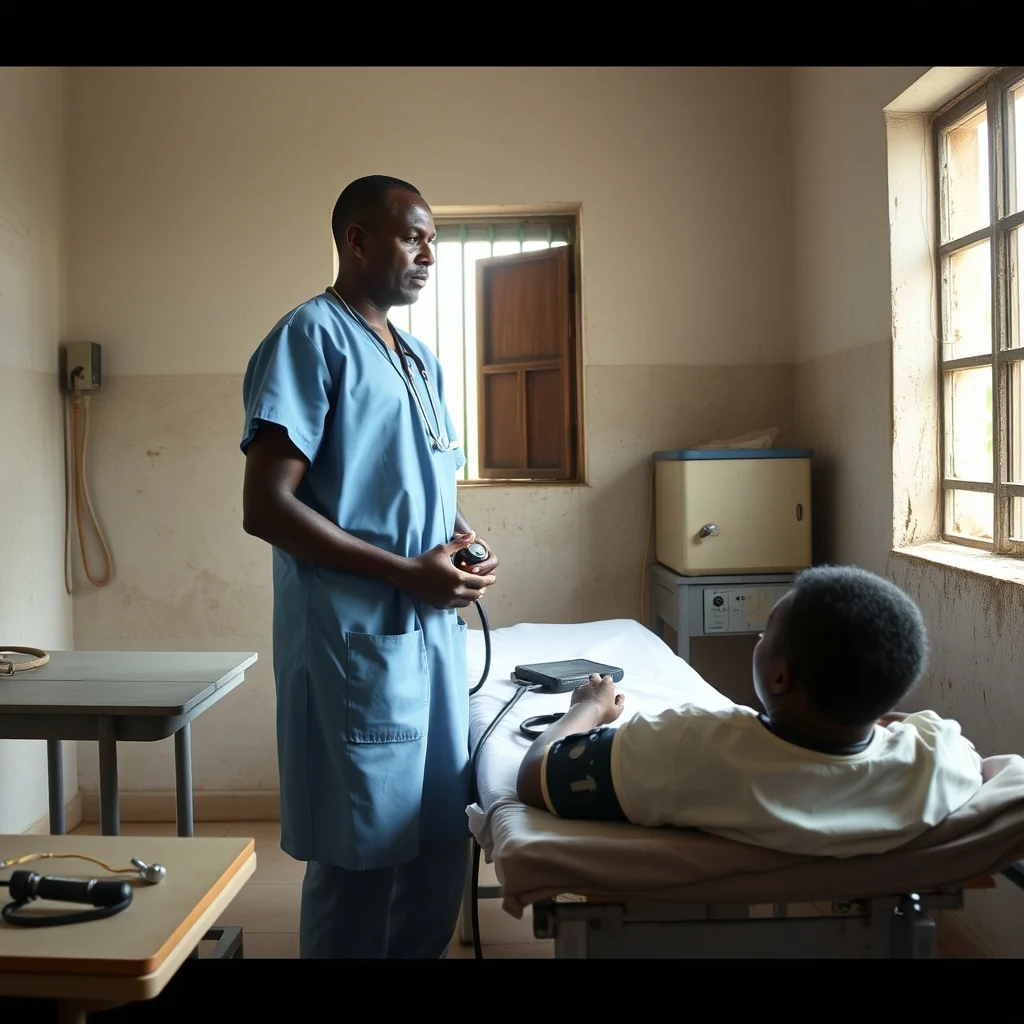
Accra, Ghana – Minister of Health Kwabena Mintah Akandoh announced this week that a staggering 95% of Ghana’s health facilities lack essential medical equipment, severely compromising the delivery of quality healthcare nationwide. The revelation came during a tour of the Mother and Child Hospital in Kasoa, highlighting the dire state of infrastructure and service delivery across the country.
A System Under Strain
The Minister described the widespread shortage of medical equipment as a significant inherited challenge, impacting the operational efficiency of hospitals, clinics, and primary healthcare centers. Many facilities are reportedly operating under difficult conditions due to this deficit.
“The equipment status in this country is very, very poor, and that is what I inherited,” Akandoh stated directly to journalists following his site visit. This admission underscores the depth of the problem facing the nation’s healthcare system.
Official data compiled by the Ministry of Health corroborates the Minister’s assessment, indicating that only five percent of health facilities possess the full complement of necessary equipment for effective functioning. This statistic paints a grim picture of the resources available to frontline healthcare providers.
Government Interventions Underway
In response to the crisis, the government has initiated measures aimed at improving the situation, with a particular focus on bolstering primary healthcare services. The Ministry has begun the procurement and distribution of medical equipment to facilities across Ghana.
While acknowledging that the problem cannot be solved overnight, Minister Akandoh confirmed that deployment of new equipment has commenced. “We have bought a number of quantities of health equipment and hospital equipment that we are distributing across the length and breadth of this country. We cannot do all at once, but we have started,” he explained.
These efforts are intended to strengthen the capacity of healthcare providers and enhance their ability to offer essential services, particularly in underserved areas. The distribution process is ongoing, aiming to gradually equip facilities nationwide.
Broader Implications for Healthcare Access
The severe lack of essential medical equipment has far-reaching implications for public health in Ghana. It directly affects the quality of diagnosis, treatment, and patient outcomes.
Patients may face longer waiting times, delayed diagnoses, or even the need to travel to better-equipped facilities, increasing costs and stress. For healthcare professionals, working without adequate tools can lead to frustration and burnout.
The situation also raises concerns about the accessibility and equity of healthcare services. Facilities in more remote or less affluent areas are likely to be disproportionately affected by equipment shortages.
Looking Ahead: A Long Road to Recovery
The government’s commitment to addressing the equipment deficit is a crucial first step. However, the scale of the challenge suggests that sustained investment and strategic planning will be required over the coming years.
Key areas to watch include the pace and effectiveness of equipment procurement and distribution, as well as efforts to ensure proper maintenance and training for healthcare staff. The long-term impact of these interventions on the overall health indicators of the nation will be closely monitored.
Furthermore, the government may need to explore innovative financing models and public-private partnerships to accelerate the modernization of the country’s health infrastructure. The success of these initiatives will ultimately determine Ghana’s progress towards achieving universal health coverage and ensuring that all citizens have access to the quality healthcare they deserve.










Leave a Reply