
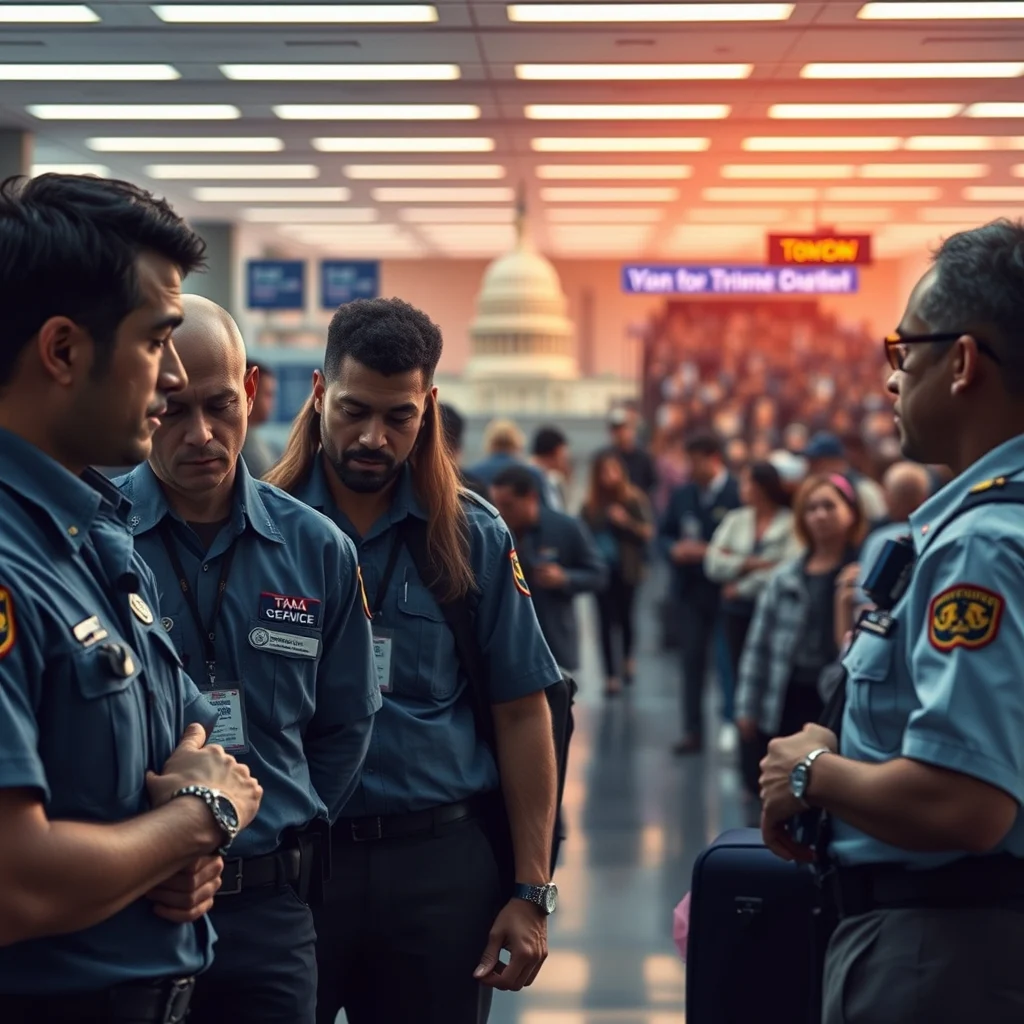
President Donald Trump has signed a spending bill that officially ended the 76-day partial government shutdown, averting further chaos at US airports and ensuring the Department of Homeland Security (DHS) can resume normal operations. The House of Representatives approved the Senate-passed bill on Thursday, following weeks of political deadlock over immigration enforcement funding.
The funding lapse, which began over two months ago, stemmed from disagreements between Republicans and Democrats regarding President Trump’s immigration policies. While the new law reopens the DHS, it does not include specific appropriations for Immigration and Customs Enforcement (ICE) or certain components of Customs and Border Protection (CBP).
Context of the Shutdown
The prolonged shutdown created significant disruptions, particularly at airports across the United States. Security officers, deemed essential workers, were forced to work without pay for weeks. This led to chronic understaffing and extended wait times for travelers, impacting the efficiency of airport security checkpoints.
Democrats had initially refused to allocate funds to ICE and CBP, citing concerns over their enforcement practices and demanding reforms. These demands intensified following two fatal incidents involving federal immigration officers in Minnesota. Republicans, however, insisted on full funding for these agencies, leading to an impasse that prolonged the shutdown.
To address the immediate crisis of unpaid essential workers, President Trump signed an executive order in March to ensure Transportation Security Administration (TSA) agents received their pay. However, this was a temporary measure, and the administration warned that emergency DHS funds were nearing depletion.
Funding Gaps and Alternative Measures
Despite the DHS continuing to operate without routine funding since February 14, disruptions persisted. The lack of consistent funding raised concerns about the operational capacity of key homeland security functions, including presidential and airport security.
Funding for ICE and CBP has been indirectly addressed. Congress previously approved approximately $170 billion for immigration enforcement as part of President Trump’s tax cut legislation last year. However, this funding mechanism did not resolve the immediate need for a new appropriations bill for the DHS as a whole.
Political Maneuvering and Resolution
House Speaker Mike Johnson initially resisted bringing the Senate-passed funding bill to a vote, deeming it insufficient and advocating for more robust funding for immigration enforcement. However, he eventually relented, citing the need to ensure TSA agents received their paychecks and to prevent further disruptions.
Following the vote, Speaker Johnson stated, “We were not going to have lines at TSA. Everybody will get their paychecks now.” DHS Secretary Markwayne Mullin expressed relief but criticized the shutdown, stating on X, “To be clear, this Democrat shutdown NEVER should have happened.”
Conversely, Democrats attributed the extended shutdown to Speaker Johnson’s resistance. Senator Patty Murray, a key Democrat on government funding, remarked, “This is the same bill the Senate unanimously passed five weeks ago,” highlighting the perceived unnecessary delay.
Future Funding and Oversight
With the immediate funding crisis resolved, congressional Republicans are now focusing on securing up to $70 billion for ICE and CBP for the remainder of President Trump’s term. This next phase of negotiations is expected to be contentious, as Democrats continue to push for greater oversight and limitations on immigration enforcement activities.
The path forward for this additional funding remains uncertain. Republicans recently utilized a procedural maneuver in the Senate to advance the bill without Democratic support, but it is unclear when House Republican leadership will schedule a floor vote.
Implications and What’s Next
The end of the 76-day shutdown brings immediate relief to federal employees, particularly those at the DHS, ensuring timely payment for their services. The resolution of the funding deadlock is expected to restore normalcy to airport operations, reducing the long wait times that plagued travelers for weeks.
However, the underlying political divisions over immigration policy remain unresolved. The upcoming negotiations for ICE and CBP funding will likely reflect the ongoing ideological battle between the parties. The public can expect continued debate and potential political brinkmanship as Congress attempts to address these contentious issues before future funding deadlines.









Leave a Reply