
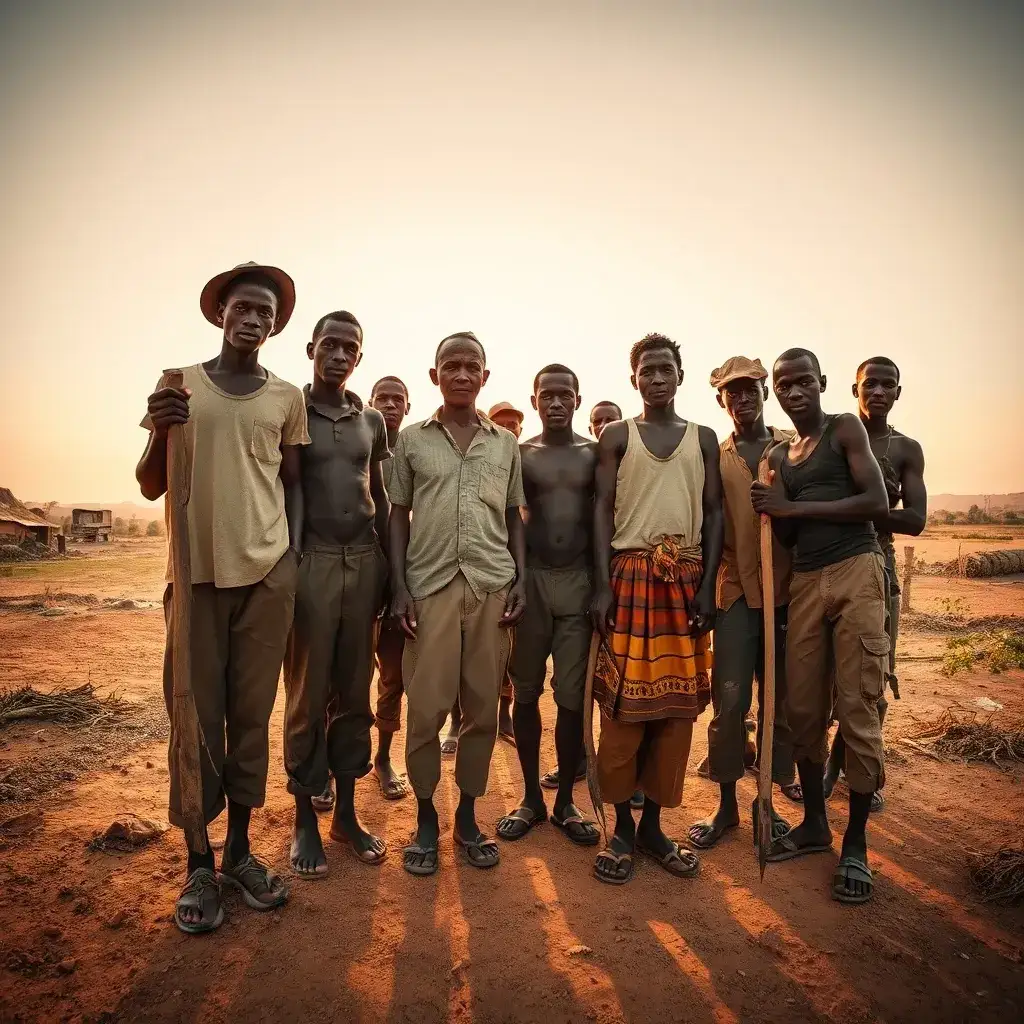
Lands and Mines Watch Ghana issued a stark May Day appeal on May 1, urging for enhanced worker protections across the nation’s extractive industries. The advocacy group highlighted that Ghana’s abundant natural resources must translate into tangible improvements in worker safety, fair compensation, and sustainable livelihoods, warning that the country cannot achieve genuine development while its workforce faces exploitation and neglect.
Context: A Persistent Struggle for Workers’ Rights
The call from Lands and Mines Watch Ghana (LMWG) arrives on International Workers’ Day, a global observance dedicated to recognizing workers’ contributions and addressing critical labor issues. In Ghana, this day often amplifies long-standing concerns within vital sectors like mining, construction, agriculture, and transportation. These industries, while crucial for the national economy, have historically been associated with precarious working conditions and inadequate welfare for many employees.
LMWG specifically paid tribute to individuals laboring in the lands and natural resource sectors, acknowledging their essential role in economic sustenance and national development. However, the group pointed out a significant disconnect: the nation’s rich mineral wealth has not proportionally benefited the welfare of numerous workers and their surrounding communities, particularly in regions impacted by the pervasive issue of illegal mining, locally known as ‘galamsey’.
Galamsey’s Shadow and the Call for Reform
The statement from LMWG underscored the detrimental impact of illegal mining, identifying it as a growing national threat. The organization stressed that the environmental degradation associated with ‘galamsey’ exacerbates the already challenging conditions faced by workers. This illegal activity not only pollutes natural resources but also often operates outside regulatory frameworks, increasing the risks for those involved.
In response to these challenges, LMWG put forth several key demands. They called for the stringent enforcement of occupational health and safety regulations, emphasizing that existing rules must be actively applied and monitored. Transparency in the management of mineral resources was also highlighted as crucial, suggesting that clearer and more accountable practices could lead to better outcomes for workers and communities.
Furthermore, the group advocated for policies that actively prioritize local participation in the natural resource value chain. This includes ensuring that local populations benefit directly from the extraction and processing of resources found in their areas, fostering economic empowerment and reducing reliance on exploitative practices.
Beyond Rhetoric: Drivers of True Development
Executive Director of LMWG, Kwame Owusu Danso, articulated a vision for national progress that extends beyond mere pronouncements. He asserted that true development is built upon concrete actions and essential human qualities. Mr. Danso emphasized the importance of “labour, discipline, sacrifice, innovation, and patriotism” as the fundamental drivers of advancement.
LMWG also acknowledged the vital contributions of various groups who work to protect Ghana’s natural resources, often at significant personal risk. This includes security personnel, journalists, environmental advocates, and community volunteers who dedicate themselves to safeguarding the nation’s wealth against threats like illegal mining.
Implications and the Path Forward
The demands put forth by Lands and Mines Watch Ghana signal a critical juncture for Ghana’s extractive industries. The group’s insistence on stricter regulation, transparency, and fair wages suggests that the current model is failing to adequately protect a significant portion of the workforce. The implications are far-reaching, potentially impacting investor confidence, community relations, and the overall sustainability of the resource sector.
The future of Ghana’s development is intrinsically linked to its ability to responsibly govern its natural resources and safeguard its people. LMWG’s commitment to advocating for these principles indicates a continued push for accountability from both government and industry stakeholders. Observers will be watching closely to see if these calls translate into concrete policy changes and improved working conditions for Ghanaian laborers in the coming months and years.










Leave a Reply