
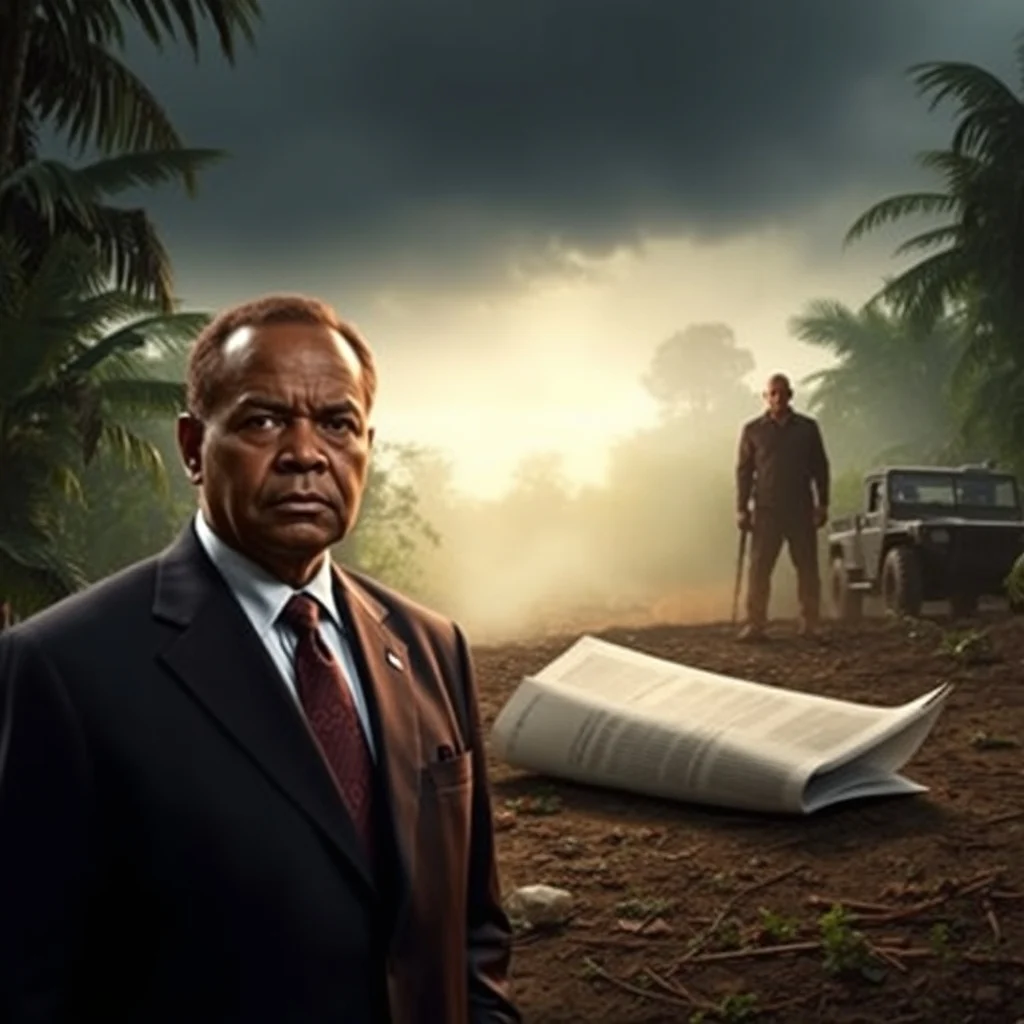
The United States on Thursday imposed sanctions on former Democratic Republic of Congo President Joseph Kabila, accusing him of supporting the Rwanda-backed M23 rebels and fueling political instability in the nation’s volatile eastern region. The U.S. Treasury Department stated that the M23 and its political-military wing, the Congo River Alliance (AFC), have been instigating violent conflict, leading to thousands of civilian deaths and a significant displacement crisis in eastern DRC.
According to the Treasury Department, Kabila has provided financial backing to the AFC to manipulate the political landscape in eastern DRC. He is also accused of encouraging defections from DRC troops to join AFC forces. Furthermore, the sanctions target his alleged efforts to regain political influence by supporting a candidate opposing the current DRC leader.
Context of Instability
The Democratic Republic of Congo’s eastern provinces have been plagued by decades of conflict involving numerous armed groups, many vying for control of the region’s rich mineral resources. The M23 rebel group, which re-emerged in late 2021, has been particularly active, launching offensives that have displaced hundreds of thousands and intensified regional tensions. Rwanda has consistently denied allegations of supporting the M23.
This latest U.S. action is part of a broader diplomatic effort to uphold a U.S.-brokered peace agreement signed by Rwanda and the DRC in December. Although the deal faced immediate challenges, representatives from both nations met again recently in Washington to discuss de-escalation and reviving the peace process.
Broader U.S. Strategy
The Treasury’s move against Kabila follows similar sanctions imposed last month on the Rwanda Defence Force and its top military officials. These measures were in response to their alleged involvement in the ongoing fighting in eastern DRC and called for their immediate withdrawal from the mineral-rich territory.
Treasury Secretary Scott Bessent emphasized the U.S. commitment to peace, stating, “President Trump is paving the way for peace in the Democratic Republic of the Congo, and he has been clear that those who continue to sow instability will be held accountable.” He added that the Treasury would continue to utilize its full range of tools to support the integrity of the Washington Accords.
A State Department spokesman, Tommy Pigott, urged all regional leaders to reject those perpetrating violence. “Today’s action sends a clear message: We will hold accountable anyone who obstructs peace efforts in the DRC,” he stated.
Kabila’s Past and Present
Joseph Kabila, who ruled the DRC for nearly two decades, stepped down following widespread protests. He was sentenced to death in absentia last year by a military court in Kinshasa for war crimes, treason, and crimes against humanity, stemming from his alleged role in backing rebels. Kabila has denied these charges, asserting that the judiciary in the DRC has been politicized.
Since late 2023, Kabila has largely resided in South Africa, though he was reportedly seen in the rebel-held city of Goma in eastern Congo in May. The current DRC government, led by President Felix Tshisekedi, has taken steps to dismantle Kabila’s political party and seize the assets of its leaders.
Implications of Sanctions
The sanctions, implemented by the Treasury’s Office of Foreign Assets Control, will freeze any assets Kabila holds within the United States and prohibit all financial transactions involving U.S. entities. This move aims to curtail his ability to influence the ongoing conflict and political instability.
DRC Deputy Prime Minister Jacquemain Shabani welcomed the U.S. decision, calling it a long-overdue measure against Kabila. “He is the instigator, the initiator, the architect of the destabilization of Congo,” Shabani commented, adding that Kabila is among those who complicate peace efforts in the DRC.
The U.S. sanctions signal a firm stance against individuals perceived as obstructing peace in the DRC. Analysts suggest this could increase pressure on regional actors and further isolate Kabila politically and financially. The international community will be watching to see if these sanctions contribute to a de-escalation of violence and a revival of the stalled peace process in the coming months.







Leave a Reply