
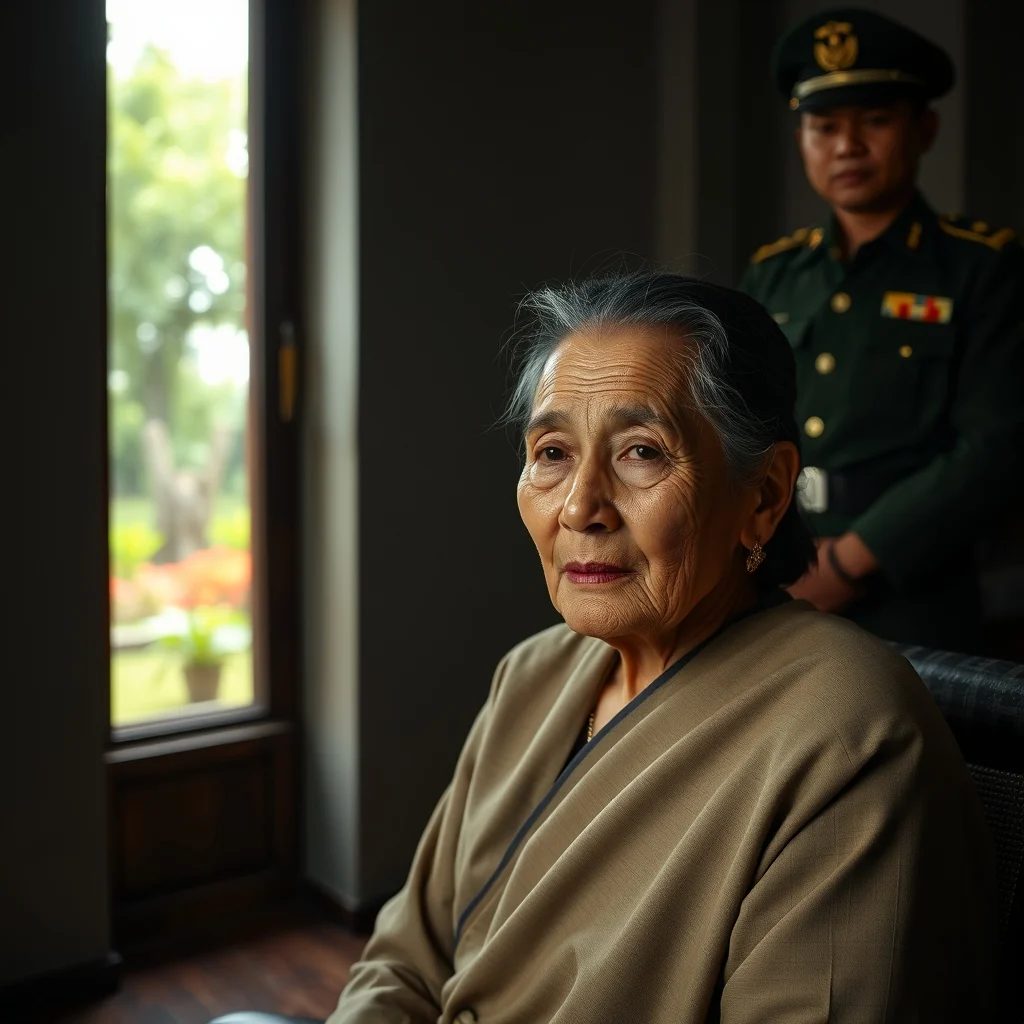
Myanmar’s de facto leader, Aung San Suu Kyi, has reportedly been moved to house arrest, according to statements from the ruling military junta and broadcast via state media. The 80-year-old Nobel laureate, detained since the 2021 military coup, had been held incommunicado, likely in a military prison in the capital, Nay Pyi Taw. This development, announced by military leader Min Aung Hlaing, commutes her remaining sentence to be served at a designated residence.
Background of Detention and Political Landscape
Aung San Suu Kyi, a towering figure in Myanmar’s pro-democracy movement, was removed from office in a military coup in February 2021. She had previously spent over 15 years under house arrest during periods of military rule before leading Myanmar’s transition to a nominally democratic government in 2015.
The coup leaders have since pursued a series of trials against Suu Kyi, resulting in a 33-year sentence on charges widely condemned as politically motivated and fabricated by international observers. Her sentence has been reduced multiple times since her initial conviction.
Skepticism and Lack of Verification
Despite the official announcement, significant skepticism surrounds the move. Aung San Suu Kyi’s son, Kim Aris, expressed doubt, stating he lacked proof of her well-being and whereabouts. He questioned the validity of a photograph released by state media, claiming it was taken in 2022 and calling it “meaningless” without independent verification.
Her legal team also stated they had not received direct notification regarding the change in her detention status. For over three years, her lawyers have been unable to see her, and her family has had no contact for more than two years, fueling concerns about her health and living conditions.
Junta’s Motivations and International Pressure
The sudden release of an image and the announcement of house arrest may signal a strategic shift by the military junta. Coup leader Min Aung Hlaing appears keen to alleviate his regime’s international isolation, particularly following recent battlefield setbacks against ethnic armed organizations and resistance groups.
The junta recently held elections, which it claims restored a democratic government, though the military leadership remains firmly in control. This move could be an attempt to project an image of leniency and potentially gain international legitimacy.
A Complex Legacy
Throughout her decades of activism and previous periods of house arrest, Aung San Suu Kyi became a global symbol of peaceful resistance, earning the Nobel Peace Prize in 1991. Her ability to address supporters from her home during earlier confinements became iconic.
However, her international standing was significantly impacted by her government’s defense of the military against accusations of genocide concerning the 2017 atrocities against the Rohingya Muslim minority at the International Court of Justice. This decision complicated her previously unblemished image as a human rights icon.
Implications and Future Outlook
The transfer to house arrest, if verified, could be a precursor to further changes in Aung San Suu Kyi’s status, potentially including a partial or full release. This development will be closely watched by international governments, human rights organizations, and the people of Myanmar, who have long awaited her freedom.
The junta’s actions will be scrutinized for genuine progress towards democratic reform or as a tactical maneuver to manage international opinion and consolidate power. The ability of her legal team and family to verify her condition and establish communication will be critical in assessing the true nature of this announcement.










Leave a Reply