
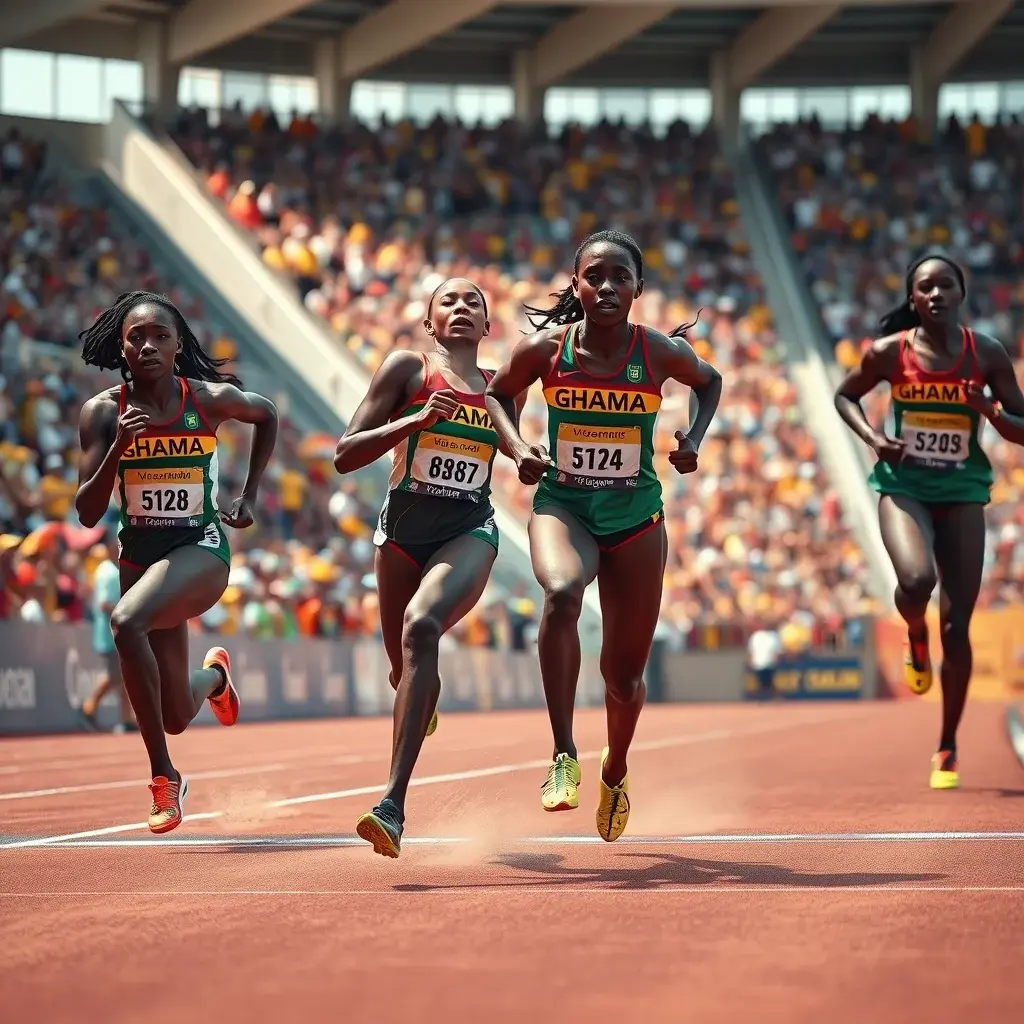
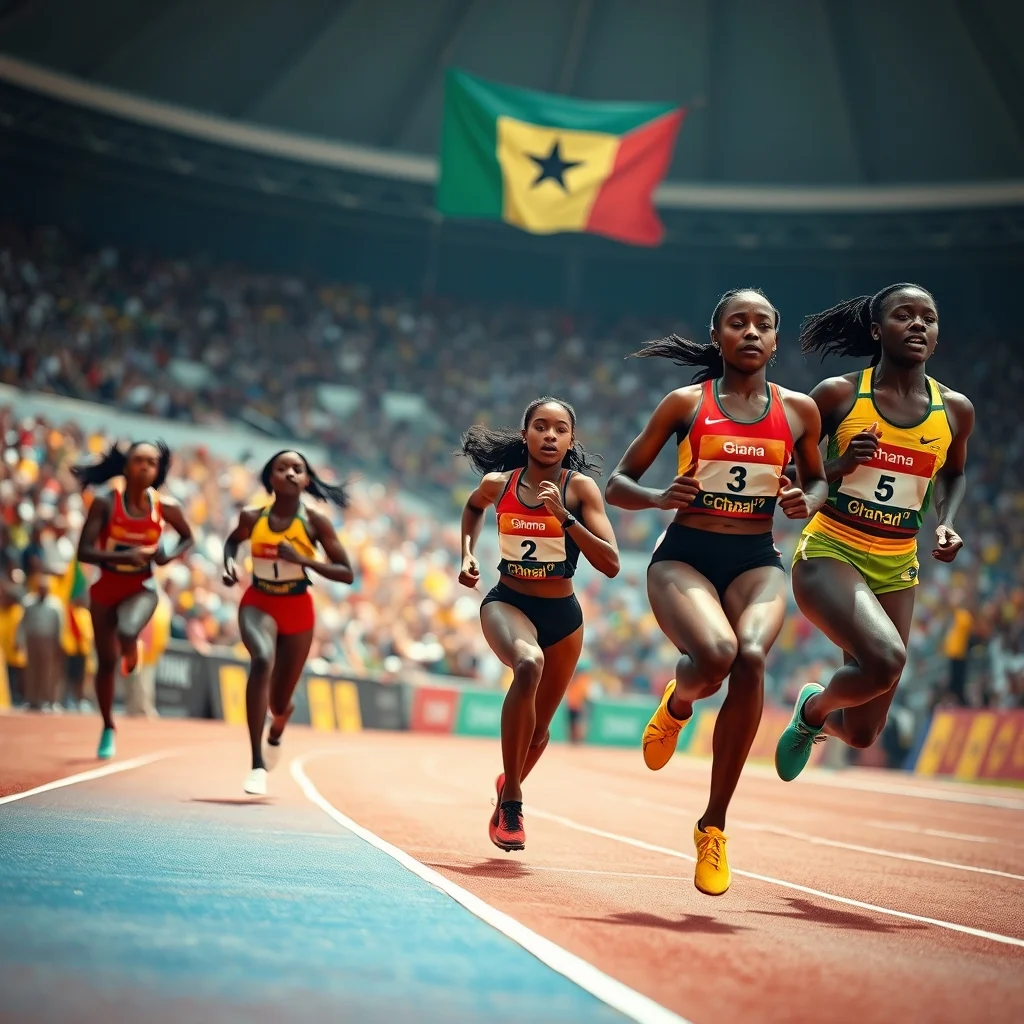
Ghana’s women’s relay team captured a bronze medal at the recent African Championships held at the University of Ghana Stadium, clocking a time of 44.85 seconds. The team, a mix of emerging student athletes and experienced competitors, impressed a home crowd and silenced initial doubts about exposing young talent like Gladys Boateng and Aisha Jafar to elite competition.
A Tradition of Early Exposure
The approach of integrating young athletes into high-level events is not new for Ghana Athletics; it’s a long-standing tradition that has historically produced successful athletes. This strategy echoes the early career of Vida Anim, who, as a 15-year-old student, represented Ghana at the African Games in 1999. Her subsequent achievements, including national records and multiple continental medals, highlight the potential of this development model.
The current bronze-winning team exemplifies this strategy, with three of its four members being university or secondary school students. Gladys Boateng, known as “Gaza,” and Aisha Jafar, “Odo Broni,” are first-year students. Janet Dakoa Kwarteng is also a first-year student at the University of Cape Coast, while Janet Mensah, the most experienced member, is part of the security services and considered a part-time athlete.
Balancing Athletics and Academics
A significant challenge for these young athletes is balancing their athletic ambitions with their academic responsibilities. Aisha Jafar, who runs the crucial anchor leg, is preparing for the West Africa Senior School Certificate Examinations (WASSCE). The success of these athletes hinges not only on their performance on the track but also on their academic achievements, which could lead to scholarship opportunities abroad.
The path taken by athletes like Joseph Paul Amoah and Benjamin Azamati, who secured scholarships in the United States, offers a potential blueprint. However, their careers also underscore that international education alone is insufficient without continued elite-level training and development.
The Need for Investment in Coaching and Resources
Ghana Athletics faces a critical juncture where investment in professional coaching is paramount to nurturing raw talent. The case of Edwin Gadayi, a sprinter with exceptional natural ability who has struggled to progress significantly in his four years since his introduction to elite competition, serves as a cautionary tale. Without access to elite training environments, many athletes like Gadayi risk falling behind their peers who have better developmental support.
The article emphasizes that not all promising athletes can afford to train abroad. Therefore, the Ghanaian Sports Ministry must provide adequate resources to Ghana Athletics to establish a robust and well-equipped training system within the country. This includes hiring qualified elite trainers capable of refining the skills of potential stars like “Gaza” into future champions.
Looking Ahead: The Commonwealth Games as a Benchmark
The upcoming 2026 Commonwealth Games in Glasgow presents a crucial opportunity to assess the commitment of the Sports Ministry and Ghana Athletics. Following their WASSCE exams, the young relay members are expected to join a pre-tournament training camp. The effectiveness of this preparation will be a key indicator of whether the nation is serious about supporting this talented generation of athletes beyond rhetoric.
The preparation for the Commonwealth Games will reveal if Ghana’s Sports Ministry is truly invested in developing this team, potentially turning these promising young athletes into future stars and continuing the nation’s legacy in athletics.






Leave a Reply