
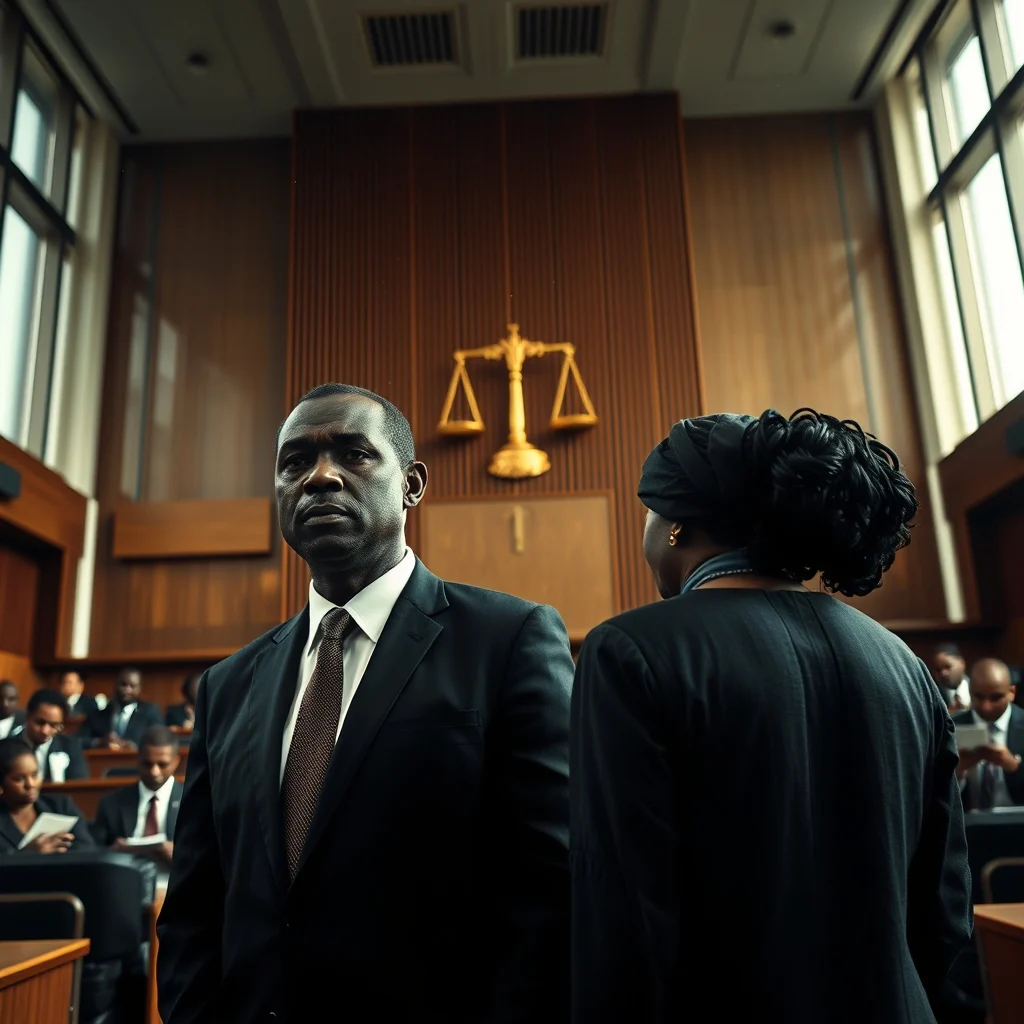
Accra, Ghana – The High Court in Accra has granted bail to Hanan Abdul-Wahab Aludiba, former CEO of the National Food Buffer Stock Company Limited (NAFCO), and his wife, Faiza Seidu Wuni, in a high-profile corruption case. The couple faces charges related to alleged corruption and causing financial loss to the state, involving over GH¢50 million. The court set bail at GH¢60 million for Mr. Abdul-Wahab and GH¢3.5 million for his wife, with strict conditions including surrendering passports and reporting requirements.
Bail Conditions and Court Directives
The significant bail sums were granted after both accused pleaded not guilty to a revised 20-count charge sheet presented by the Attorney-General’s Department. The court mandated that both Mr. Abdul-Wahab and Ms. Wuni be placed on a national stop list, prohibiting any international travel while the trial is underway.
Further to prevent flight, their passports have been ordered to be surrendered to the court registry. Additionally, the couple must report to the Economic and Organised Crime Office (EOCO) every two weeks. These new conditions are to be met in conjunction with their existing EOCO bail arrangements until the High Court’s terms are fully satisfied.
A deadline of May 21, 2026, has been set for the accused to fully comply with all bail requirements, including securing justified sureties and completing administrative procedures.
Prosecution and Defence Timelines
The prosecution has been ordered by the court to file all outstanding witness statements and disclosures within seven days. The defence team for the accused has also been directed to submit their list of potential witnesses, should they decide to call any during the trial. The case is scheduled for a Case Management Conference on May 28, 2026.
Background of the Case
The charges against the former NAFCO CEO and his wife stem from allegations of financial impropriety during his tenure at the state-owned company. NAFCO plays a crucial role in managing Ghana’s strategic food reserves, aiming to ensure food security and stabilize market prices. Allegations of corruption within such an entity raise serious concerns about the management of public funds and the integrity of national food security mechanisms.
This case is part of a broader effort by the government and judicial bodies to tackle corruption and financial malfeasance within public institutions. The scale of the alleged financial loss indicates a significant potential impact on state resources.
Legal Proceedings and Precedents
The granting of substantial bail amounts reflects the severity of the charges and the financial figures involved. The court’s stringent bail conditions, including travel bans and regular reporting, are standard measures designed to ensure the accused attend their trial and do not interfere with investigations or flee the jurisdiction.
Legal experts note that bail is a fundamental right, but the conditions attached are crucial for balancing the rights of the accused with the need for justice. The requirement for justified sureties adds another layer of security, ensuring that there are individuals financially accountable for the accused’s appearance in court.
Implications for Public Institutions and Governance
The ongoing trial of the former NAFCO CEO highlights the persistent challenges of corruption in public service. Such cases can erode public trust and deter investment. The thoroughness of the investigation and the transparency of the judicial process are critical for restoring confidence in Ghana’s governance structures.
For institutions like NAFCO, rigorous oversight and accountability mechanisms are essential. The allegations suggest a need for enhanced internal controls and external audits to safeguard public funds and prevent future occurrences of alleged financial misconduct.
What to Watch Next
The upcoming Case Management Conference on May 28, 2026, will be a key event to monitor. It will likely set the stage for the trial’s progression, including the finalization of disclosures and the potential scheduling of hearing dates. Observers will be watching closely to see how the prosecution presents its evidence and how the defence responds, as well as whether the substantial bail conditions are met within the given timeframe.










Leave a Reply