
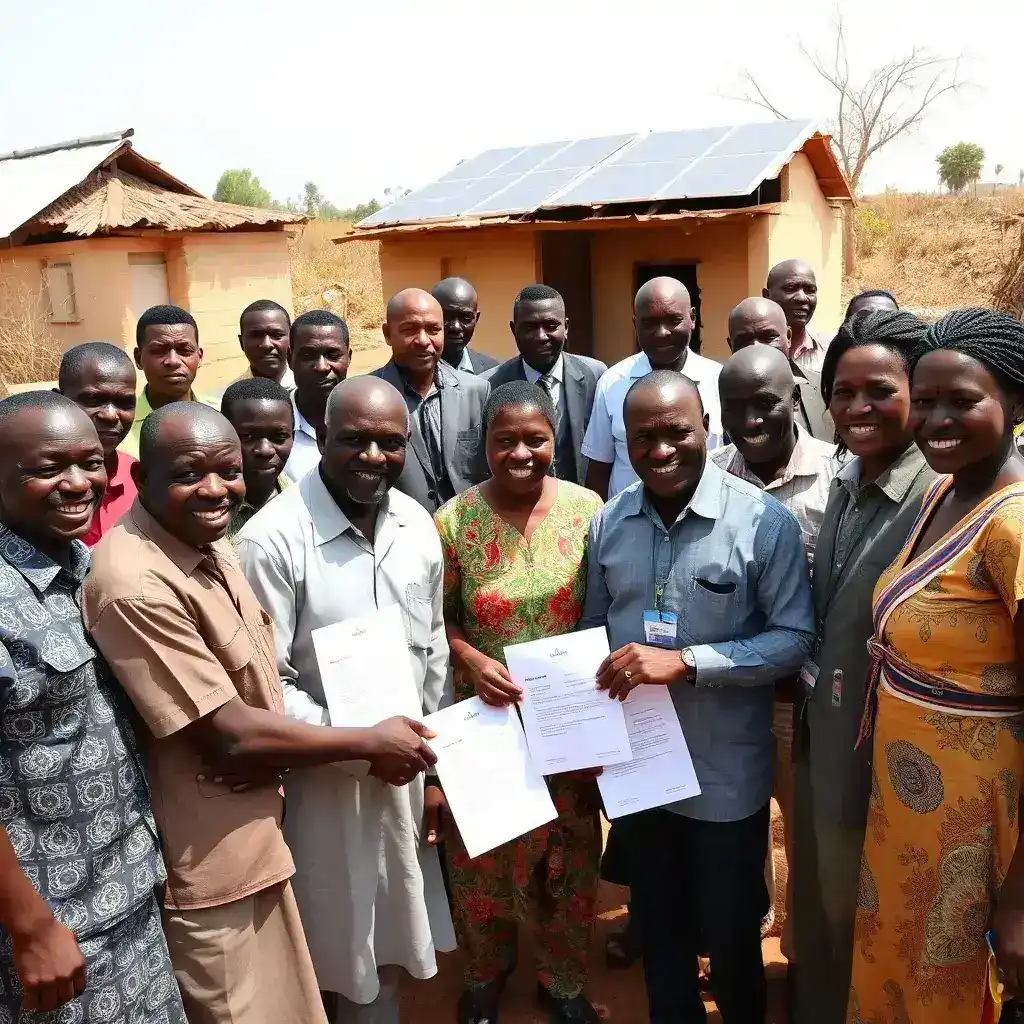
World Vision Ghana has initiated a significant 5-year Universal Service Coverage programme aimed at enhancing access to clean water, sanitation, and hygiene (WASH) services in the Wa West and Wa East districts of the Upper West Region. The launch, marked by the signing of Memoranda of Understanding (MOUs) between World Vision and local authorities, signifies a collaborative effort to address critical WASH challenges in these communities.
Context: The WASH Crisis in Upper West
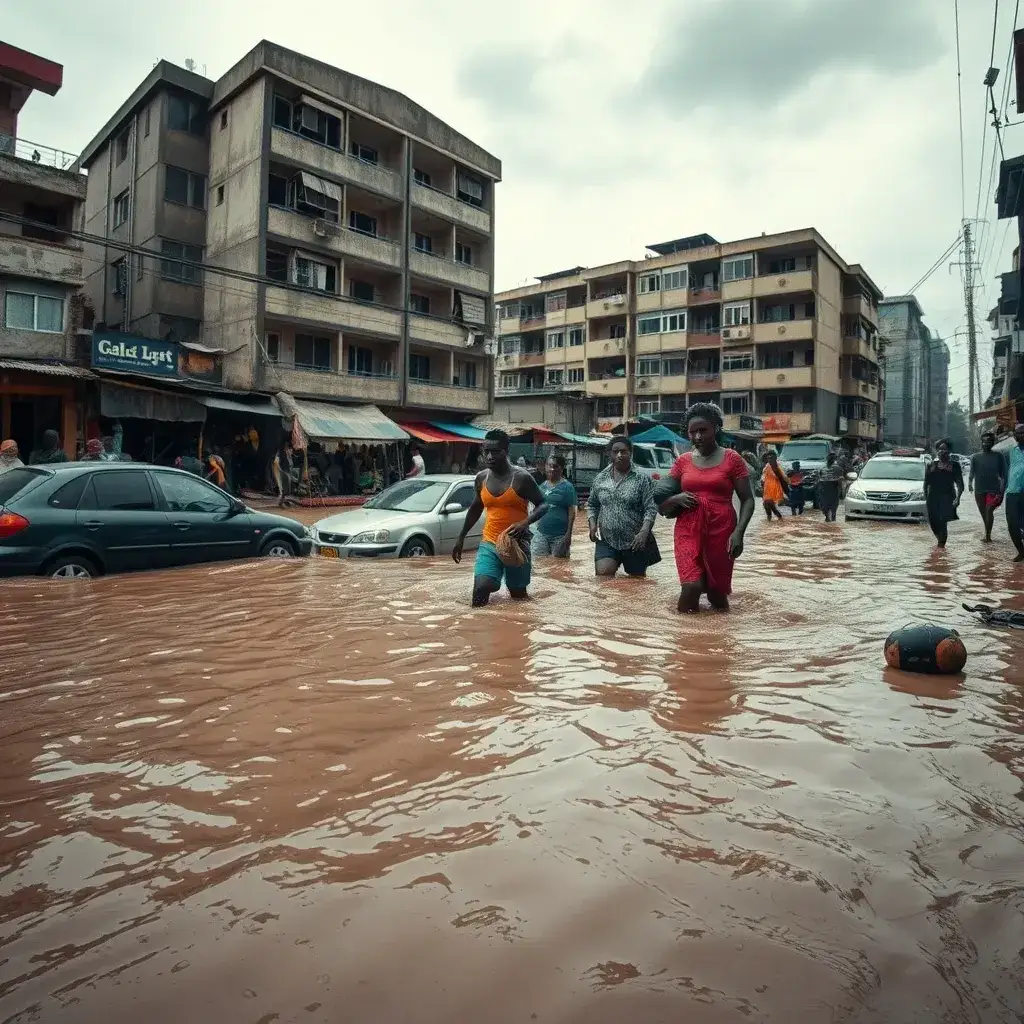
The Upper West Region of Ghana, particularly rural areas, faces severe water and sanitation deficits. Data indicates that only 24 percent of rural communities have access to clean water, and a staggering 93 percent of consumed water is contaminated. This situation poses significant health risks and undermines community development. The Wa West district is noted as a special case, experiencing challenges from both drought and flooding, further complicating water access.
Programme Rollout and Objectives
The newly launched programme, guided by a WASH business plan, intends to reach approximately 700,000 people by 2030 and extend its impact beyond 2032. The initiative focuses on achieving universal service coverage, ensuring that no community or individual is left behind. This ambitious goal requires innovative financing, robust governance, data-driven strategies, and active community involvement.
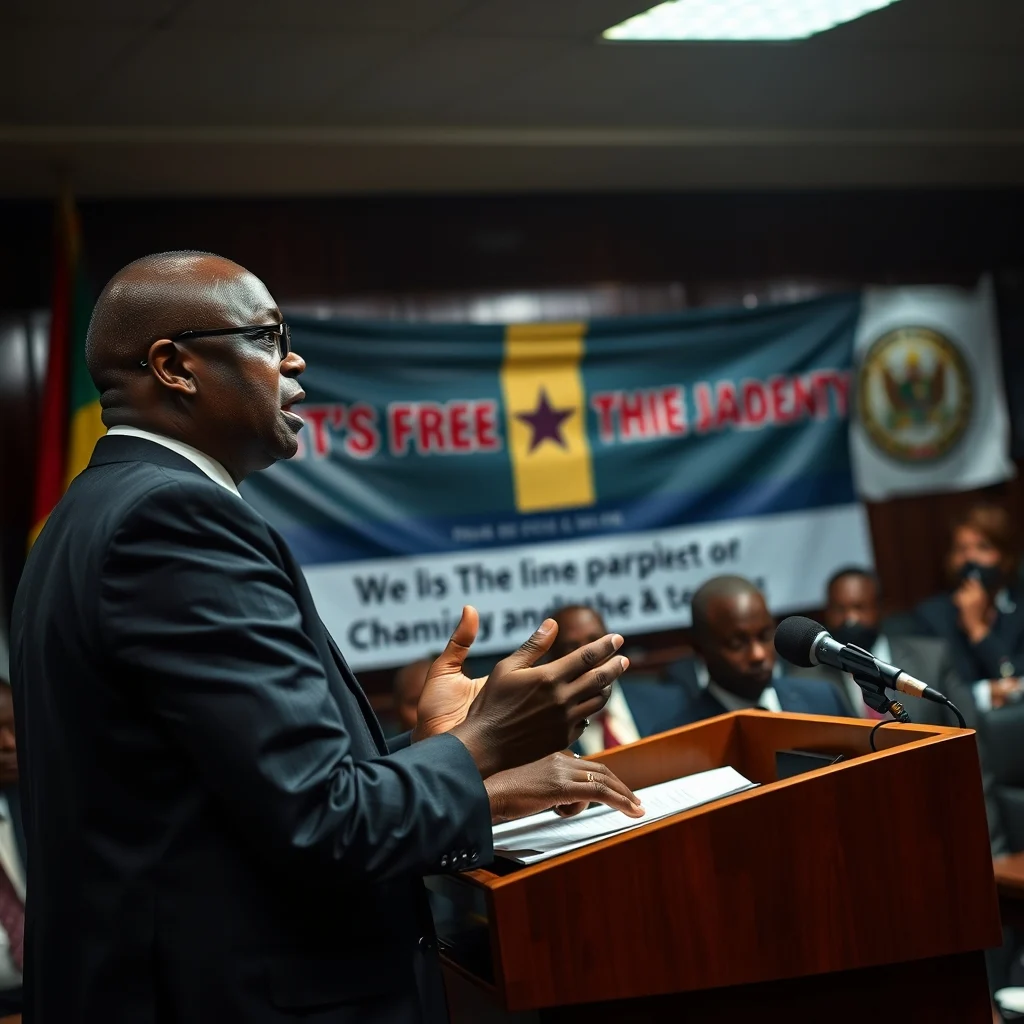
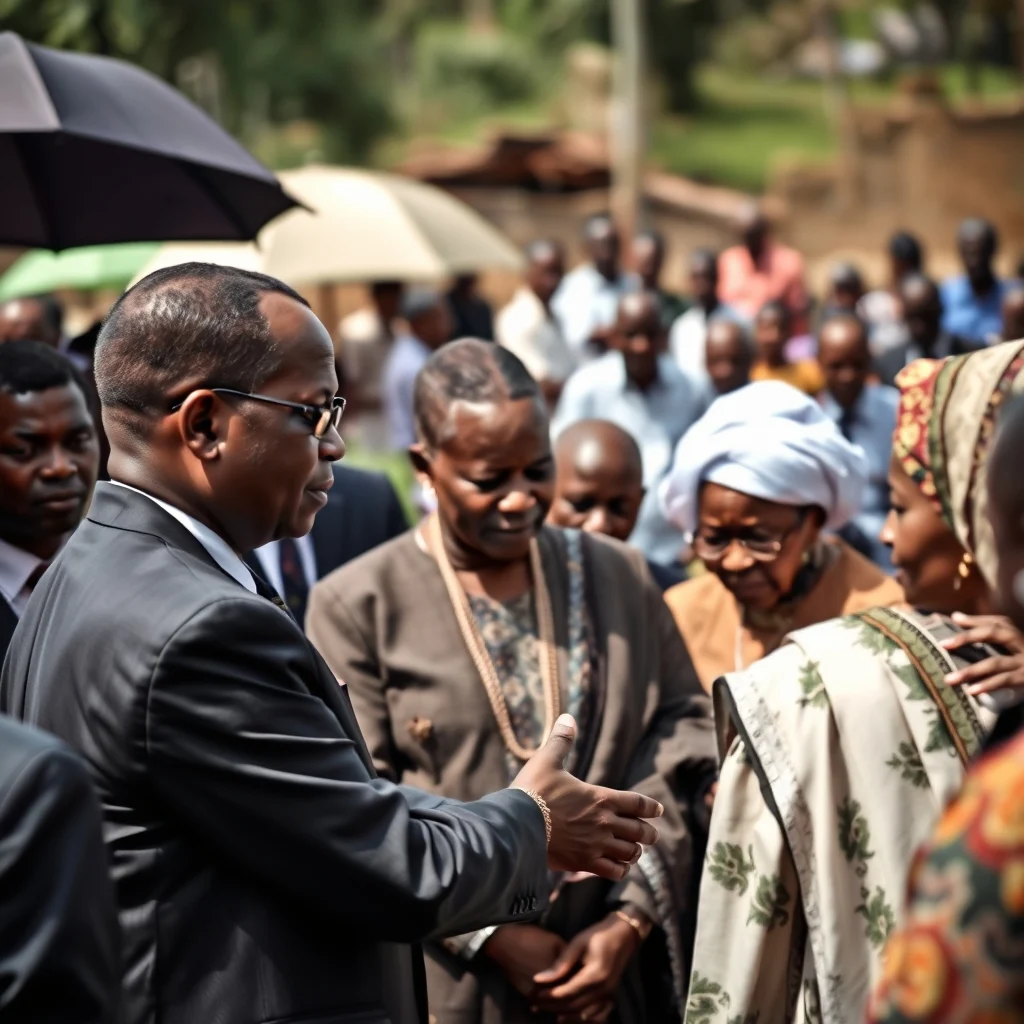
Joshua Baidoo, Director of Strategy and Integrated Programmes at World Vision Ghana, emphasized that WASH is fundamental to health, dignity, equity, and opportunity. He stated that World Vision’s role is to complement government efforts through collaboration and joint planning, rather than introducing entirely new initiatives. The MOUs signed during the launch serve as a guiding framework for planning, resource mobilization, and implementation.
Scope and Targets
Cephas Wedam, Universal WASH Service Coverage Programmes Manager, detailed the programme’s scope. World Vision Ghana already provides safe water access to nearly 100,000 people annually through its existing programming. The new plan aims to expand this, targeting over 300,000 people with improved sanitation facilities across 23 operational areas.
Robel Womisho, representing the National Director of World Vision Ghana, hailed the MOU signing as a crucial milestone. He highlighted the commitment to reaching everyone with sustainable WASH services in the targeted districts. The programme aligns with World Vision’s global “Mapping the Blue Thread” strategy.
Local Perspectives and Support
Dr. George Dery, who chaired the launch event, underscored the timeliness of the intervention, given the region’s dire water situation. He affirmed that Wa West and Wa East were appropriate targets due to their vulnerability. Previous interventions by World Vision, such as a mechanised solar borehole project in Wa West between 2019 and 2020, have demonstrably improved water access and reduced community conflicts over water sources, according to the Wa West District Chief Executive, Richard Wullo.
Adamu Shayibu, District Chief Executive for Wa East, expressed gratitude for the programme, noting his district’s long-standing struggle with potable water and pledging the assembly’s full support and coordination. The Upper West Regional Coordinating Council, represented by Chief Planning Officer Richard Nii Adjae Laryea, welcomed the MOUs but stressed the importance of facility maintenance, management, and ongoing hygiene education to prevent re-contamination and ensure long-term impact.
Implications and Future Outlook
This comprehensive WASH programme is poised to significantly improve public health, economic opportunities, and overall quality of life in the Wa West and Wa East districts. By focusing on universal coverage and integrated WASH solutions, World Vision and its partners aim to create lasting change. The success of this initiative will likely hinge on sustained collaboration between NGOs, government agencies, and local communities, alongside effective resource management and community-led maintenance of infrastructure. The focus on data-driven decision-making and innovative financing mechanisms will be critical in achieving the ambitious targets set for 2030 and beyond. Stakeholders will be watching closely to see how the programme navigates the unique geographical and environmental challenges of the Upper West Region to achieve sustainable WASH access for all.



Leave a Reply