
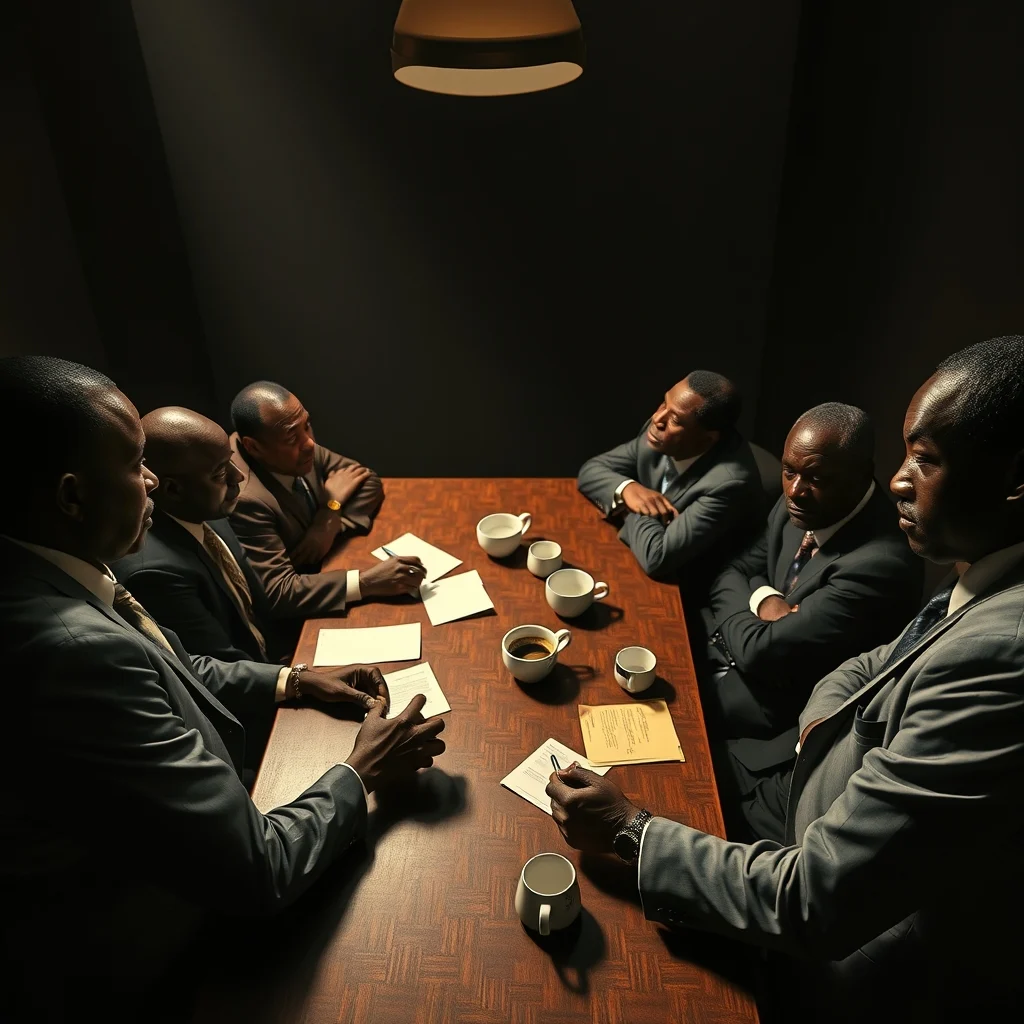
Leading figures within Ghana’s National Democratic Congress (NDC) have recently voiced concerns over internal party and governmental developments, suggesting a growing trend where political appointees simultaneously pursue influential party positions while serving in government. This practice, now officially discouraged by the party, highlights a potential conflict between personal ambition and collective party discipline, with implications for President Mahama’s administration and the NDC’s future stability.
Growing Tensions and Dual Roles
Recent statements from prominent NDC members, including Fiifi Fiavi Kwetey and Mustapha Gbande, underscore a worrying reality: some government appointees are perceived to be more focused on their own political futures than on contributing to President Mahama’s success. This has led to inconsistencies in responses to national issues and the emergence of visible camps and internal rivalries.
The NDC’s new directive to prevent appointees from holding simultaneous influential party positions is seen by many as a necessary step to curb this trend. The party believes there are many capable individuals ready to serve the party structure without necessarily occupying government appointments, promoting a clearer focus on governance delivery.
Ambition and Strategic Positioning
The underlying cause of these internal cracks appears to be the strategic positioning of certain individuals within the government, who are reportedly calculating their moves for the post-2029 political landscape. While political ambition is natural, its manifestation through using government appointments as platforms for future flagbearership bids undermines party discipline and governance effectiveness.
A key factor contributing to this anxiety is the perceived dominance of Johnson Asiedu Nketia within the party’s internal structures. Some younger power centers within the government may feel pressured to maintain public visibility and political relevance to avoid being overshadowed in any future internal contests, leading them to leverage their current positions.
However, a distinction is drawn between Asiedu Nketia’s role within the party machinery and that of political appointees serving in government. The argument is that if individuals feel disadvantaged by existing party structures, the solution should not involve converting government appointments into personal campaign tools.
Impact on Grassroots and Governance
The internal focus on succession politics is reportedly alienating ordinary grassroots supporters of the NDC. Many loyal party members who have made significant sacrifices feel overlooked and unrewarded, while some appointees are seen as becoming inaccessible and self-serving, prioritizing their branding for the future over the needs of the party faithful.
This situation risks creating a disconnect between the party leadership and its base, potentially impacting morale and future electoral performance. The perception of neglect can lead to disillusionment among those who have been instrumental in the party’s past successes.
Call for Cabinet Reshuffle
In response to these mounting concerns, there is a growing call for President Mahama to undertake a significant cabinet reshuffle. Such a move is seen not only as a way to address performance issues but also to restore discipline, reduce factional tensions, rebalance influence, and refocus appointees on their governance responsibilities.
Some analysts suggest that bringing back experienced party figures who no longer harbor presidential ambitions could provide a stabilizing influence. A balanced leadership, they argue, requires a mix of ambition, restraint, loyalty, and experience, not just youthful drive.
Looking Ahead: Navigating Political Crossroads
The NDC finds itself at a critical juncture. If the emerging internal cracks are not addressed promptly, they could solidify into entrenched factions, potentially weakening both the government and the party’s long-term electoral prospects. The coming months will be crucial in determining whether the leadership confronts these challenges proactively to ensure cohesion and effective governance, or allows them to fester, risking deeper divisions within the party.







Leave a Reply