

Ghana has successfully exited its US$3 billion Extended Credit Facility programme with the International Monetary Fund (IMF) ahead of schedule, marking a significant milestone in the country’s economic recovery. This transition, announced by government authorities on Monday, May 18, 2026, signals improved macroeconomic stability and progress towards debt sustainability, following a period of challenging economic conditions.
Economic Indicators Show Improvement
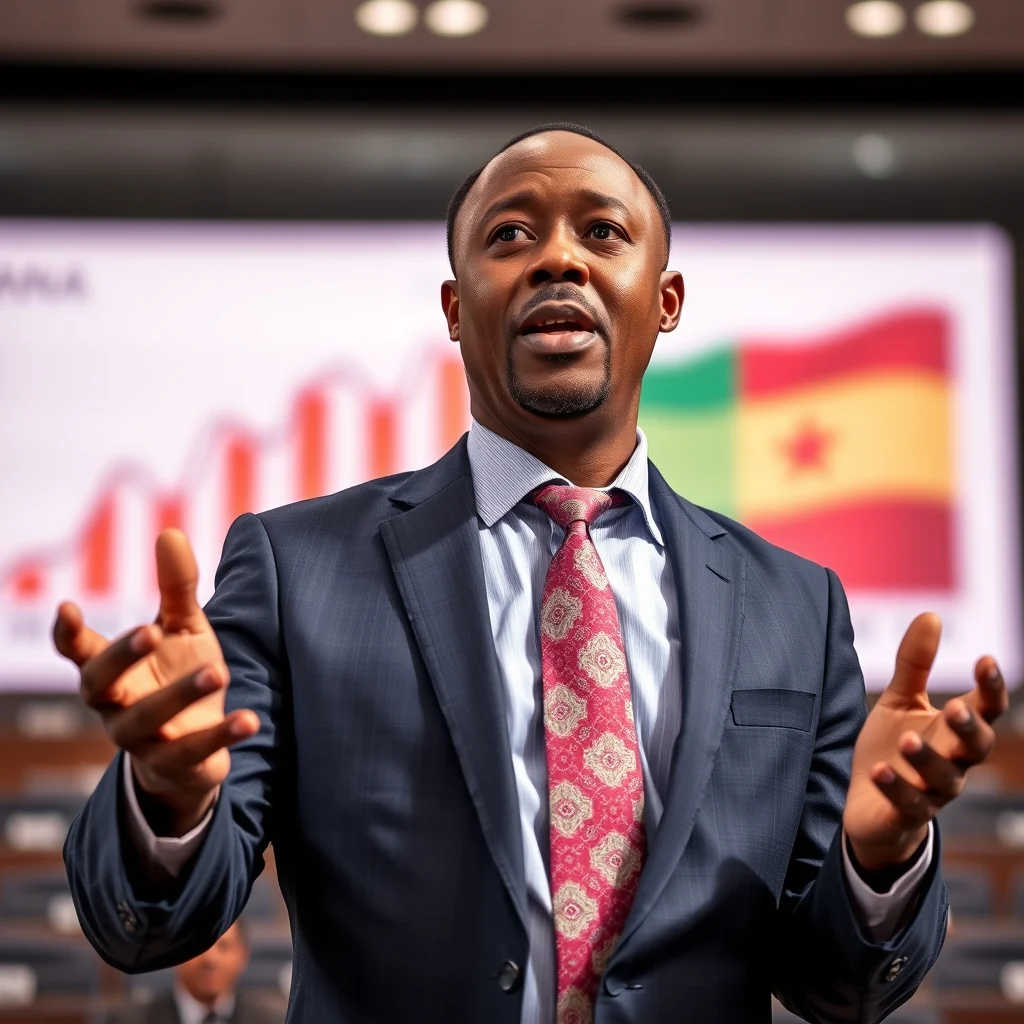
Banking consultant Dr. Richmond Atuahene highlighted the IMF programme’s crucial role in stabilising key economic indicators. He specifically pointed to reductions in inflation, greater exchange rate stability, and a recovery in foreign reserves as direct outcomes of the IMF’s intervention.
“The programme has shaped us; we have had inflation down, currency stability and the reserves, although we have not been able to do much on the social reforms,” Dr. Atuahene stated in an interview with Channel One TV. He described these achievements as measurable stabilisation gains.
The government’s decision to move into a non-financing Policy Coordination Instrument framework reflects confidence in the current economic trajectory. This new framework will support continued fiscal and structural reforms without direct financial disbursement from the IMF.
Context: A Difficult Economic Period
The period between 2022 and 2023 presented Ghana with severe economic headwinds. Dr. Atuahene recalled the dire situation, stating, “Looking at where we started in 2022-2023, it was terrible as far as inflation was concerned.”
During this time, Ghana grappled with soaring inflation rates, which eroded purchasing power for citizens. The fiscal deficit also widened significantly, reaching approximately 7.9 per cent of GDP, indicating a substantial gap between government spending and revenue.
Currency depreciation was another major concern, with the Ghanaian Cedi losing value rapidly against major international currencies. “The currency was depreciating like Usain Bolt,” Dr. Atuahene remarked, illustrating the severity of the situation.
Foreign reserves, a crucial buffer for import payments and external debt servicing, dwindled to alarming levels. “Our reserves at one time were $1.7 billion,” he recalled, underscoring the precarious state of the nation’s external financial position.
Positive Outlook and Future Trajectory
Despite the challenges, Dr. Atuahene expressed optimism about Ghana’s economic future. He views the exit from the IMF programme as a positive indicator, suggesting the country is “on the right trajectory, and it’s a good beginning to go into economic growth.”
The successful completion of the programme, achieved through a combination of fiscal consolidation, monetary policy adjustments, and structural reforms, has laid a foundation for sustainable economic development. The government’s commitment to these reforms was instrumental in meeting the IMF’s targets and securing an early exit.
Implications and What to Watch Next
Ghana’s exit from the IMF programme suggests a renewed sense of economic confidence. For citizens, this could translate into more stable prices, a more predictable exchange rate, and potentially improved access to foreign exchange for businesses. The focus now shifts to sustaining these gains and translating them into tangible improvements in living standards and social development, an area Dr. Atuahene noted requires further attention.
The success of the Policy Coordination Instrument framework will be closely watched, as it represents Ghana’s ability to manage its economy independently while adhering to sound macroeconomic policies. Investors will be looking for continued fiscal discipline and structural reforms that enhance the business environment and attract foreign direct investment. The government’s ability to manage its debt obligations and ensure debt sustainability will remain a critical factor in maintaining economic stability and fostering long-term growth.





Leave a Reply