
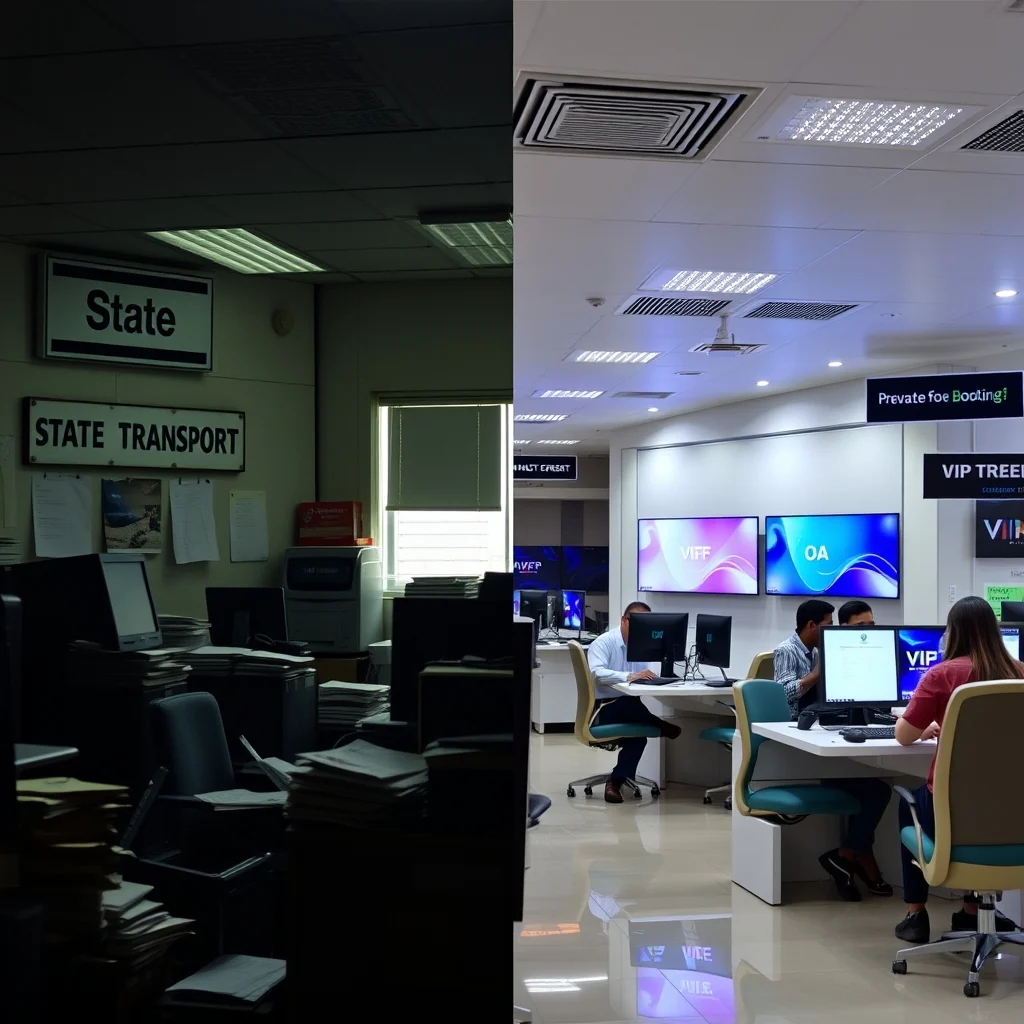
Banking consultant Dr. Richmond Atuahene has advocated for the privatization of non-strategic state-owned enterprises (SOEs), citing entities like GIHOC Distilleries Company Limited and State Transport. Speaking on May 18, 2026, Dr. Atuahene argued that these SOEs impose an unnecessary financial burden on public finances, particularly as Ghana shifts from an IMF Extended Credit Facility program to a new Policy Coordination Instrument (PCI) framework.
Context: Ghana’s IMF Transition and SOE Performance
The Ghanaian government is transitioning to the IMF’s Policy Coordination Instrument (PCI) following the successful conclusion of its Extended Credit Facility program. The PCI is a non-financing framework aimed at providing technical assistance, policy coordination, and bolstering investor confidence without direct financial disbursements.
Officials anticipate the PCI will enhance Ghana’s macroeconomic management and support its long-term objective of achieving investment-grade credit ratings. Such a rating could lower borrowing costs for both government and the private sector, attract long-term investment, stimulate foreign direct investment, and improve access to affordable financing for crucial infrastructure and private sector growth.
This strategic shift occurs against a backdrop of ongoing concerns about the financial performance and efficiency of several state-owned enterprises.
Concerns Over SOE Efficiency and Public Finances
Dr. Atuahene directly questioned the rationale behind continued state involvement in certain enterprises during a televised interview. “GIHOC, state transport and others should all be in the private sector. Why do we spend money on them?” he posited.
He contended that private sector entities are demonstrably more efficient in service delivery compared to some state-run institutions. Dr. Atuahene highlighted the stark contrast between successful private transport services and the perceived inefficiencies of State Transport.
“If OA and VIP are making good money, then you hear that State Transport, you cannot even book online. What a hell,” he exclaimed. “Let’s get rid of some of the SOEs and make them efficient so that we don’t have to come and sit down and talk about public sector debt.”
Expert Opinion and Data Points
Dr. Atuahene’s call for privatization is rooted in observations of comparative efficiency. While specific financial data for GIHOC Distilleries and State Transport was not detailed in the interview, the consultant pointed to the success of private competitors like OA and VIP Bus Services as evidence of private sector capability.
The argument aligns with broader economic principles that suggest competition and private ownership can drive innovation, reduce operational costs, and improve service quality. The strain on public finances from underperforming SOEs can divert resources from essential public services or necessitate higher taxation and borrowing.
Implications for Ghana’s Economy and Investors
The privatization of non-strategic SOEs could significantly reduce the fiscal burden on the Ghanaian government, freeing up resources for investment in critical areas like education, healthcare, and infrastructure. This move could also signal a stronger commitment to market-oriented reforms, potentially enhancing investor confidence as Ghana pursues its investment-grade ambitions under the PCI framework.
For consumers, privatization could lead to improved services, greater efficiency, and potentially more competitive pricing, as seen in the private transport sector. However, it also raises questions about job security in the short term and the potential for monopolies if not managed carefully.
What to Watch Next
The government’s response to Dr. Atuahene’s call will be closely watched. Key indicators to monitor include whether the government initiates a review of SOE performance with a view to divestment, and how the PCI framework is leveraged to encourage private sector participation and improve overall economic management. The success of Ghana’s pursuit of investment-grade status will also be influenced by its ability to address fiscal challenges, including those posed by state-owned enterprises.










Leave a Reply