
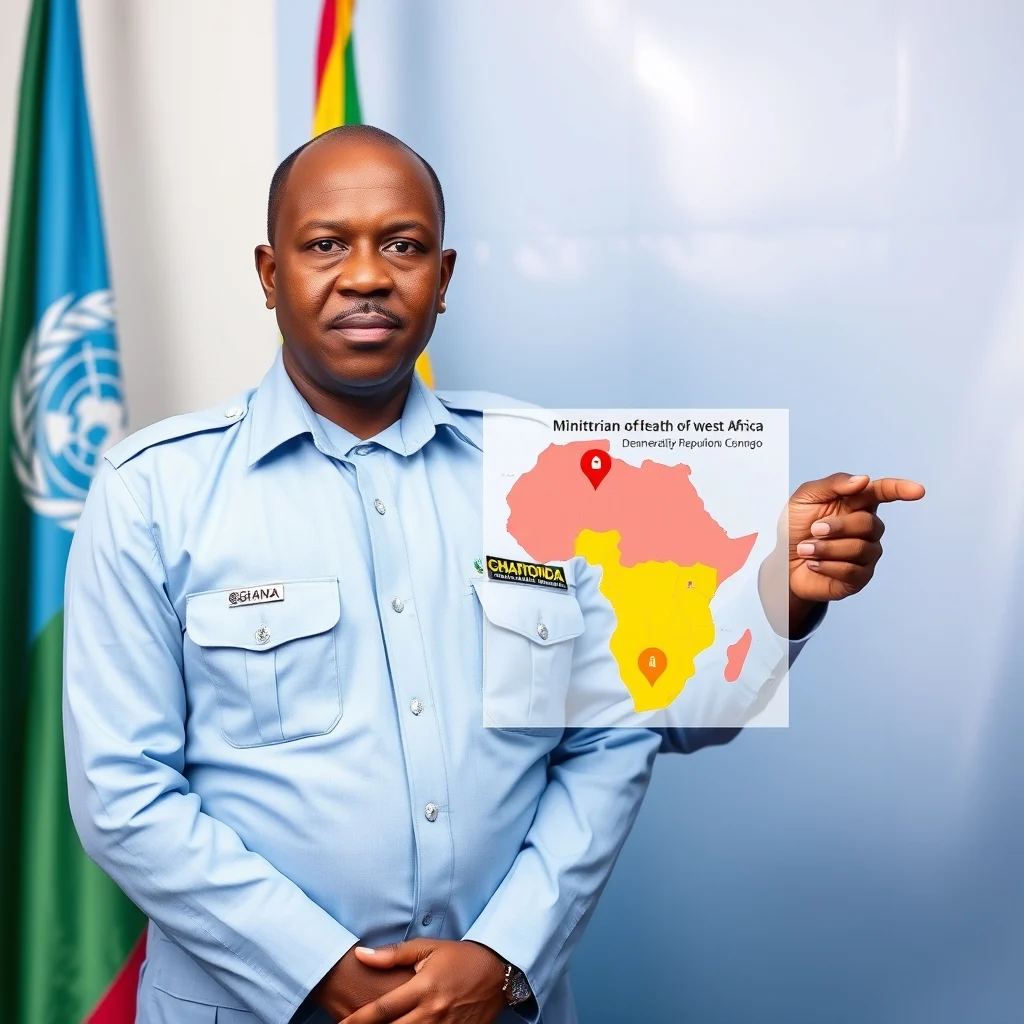
Ghana’s Ministry of Health has issued an alert, urging citizens to remain calm but vigilant following the World Health Organization’s (WHO) declaration of the recent Ebola Virus Disease outbreak as a Public Health Emergency of International Concern (PHEIC). The declaration, made on Tuesday, May 19, stems from fears of cross-border transmission, though no cases have yet been recorded in Ghana or the wider West African region.
Context: A Growing Regional Threat
The WHO’s decision to elevate the Ebola outbreak, primarily affecting the Democratic Republic of the Congo and Uganda, to a PHEIC signifies a serious and ongoing threat to international public health. This designation triggers enhanced international cooperation and resource mobilization to combat the epidemic.
Ebola is a severe, often fatal viral hemorrhagic fever. It spreads through direct contact with the blood, body fluids, secretions, organs, or contaminated materials of infected individuals, or through contact with environments contaminated by such fluids.
Preventive Measures Emphasized
In response to the WHO alert, the Ministry of Health is strongly advising the public to adhere strictly to preventive measures. Universal safety precautions are paramount, especially during public activities and large gatherings.
Individuals are encouraged to carry personal hand sanitizers and practice consistent hand hygiene. Event organizers are urged to provide readily accessible handwashing facilities and sanitizers for all participants.
The Ministry underscored the critical importance of regular handwashing with soap and running water, or the use of alcohol-based hand sanitizers. These practices should be maintained in homes, schools, workplaces, markets, public spaces, and points of entry.
Combating Misinformation and Ensuring Early Detection
A key concern highlighted by the Ministry is the potential spread of rumors and misinformation. Citizens are cautioned against sharing unverified information and are urged to rely solely on official communication channels from the government and health authorities for accurate updates.
The Ministry also stressed the vital role of early detection and treatment in improving survival rates and curbing transmission. Anyone experiencing symptoms such as sudden fever, headache, muscle pain, vomiting, diarrhea, or unexplained bleeding should immediately seek medical attention at the nearest health facility.
Strengthening National Preparedness
The Ministry of Health, in collaboration with the Ghana Health Service and international partners, is actively working to bolster national surveillance, screening, preparedness, and response capabilities. This includes enhancing border screening measures and ensuring healthcare facilities are equipped to manage potential cases.
The Ministry emphasized that the cooperation of every citizen is essential in preventing the spread of Ebola. Collective action is seen as key to protecting families and communities.
Looking Ahead: What to Watch
The declaration of a PHEIC by the WHO signifies a critical juncture in the global response to the Ebola outbreak. For Ghana and the wider region, the focus will be on the effectiveness of enhanced surveillance and screening measures at points of entry. Continued public adherence to hygiene protocols and prompt reporting of symptoms will be crucial in preventing any potential spillover. International collaboration and the swift deployment of resources will also be key indicators to monitor as efforts to contain the outbreak intensify.








Leave a Reply