
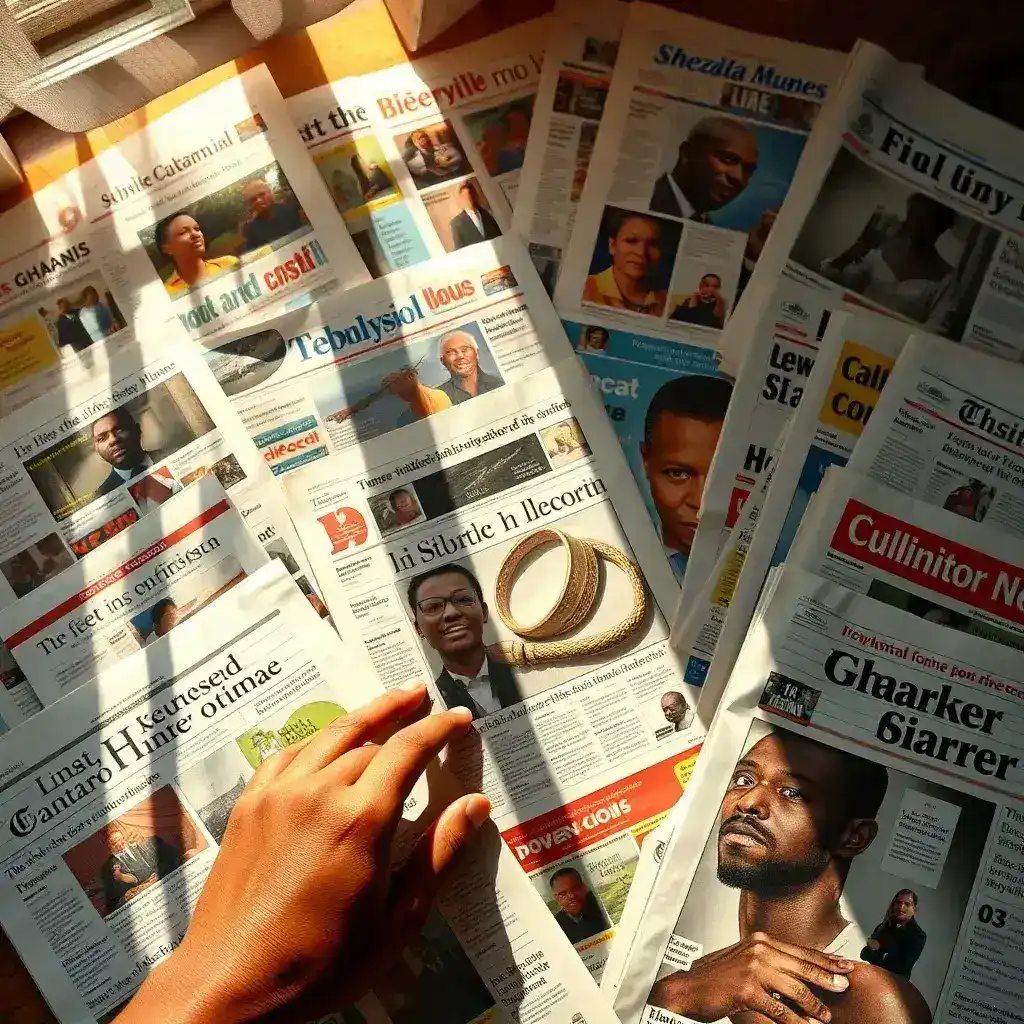
On Wednesday, May 20, 2026, Myjoyonline.com provided a snapshot of Ghana’s national conversation by curating the front pages of prominent newspapers across the country. This daily aggregation offers a unique window into the pressing issues, trending topics, and diverse perspectives shaping public discourse in Ghana.
Understanding the Media Landscape
Newspaper front pages serve as a crucial barometer of national priorities and public interest. They are meticulously designed to capture immediate attention, summarizing the most significant news stories of the day. For readers, these pages offer a quick yet comprehensive overview of current events, from politics and economics to social issues and international affairs.
In Ghana, a vibrant and diverse media sector plays a vital role in informing the populace and holding institutions accountable. Newspapers, despite the rise of digital platforms, continue to be influential, particularly in shaping elite opinion and reaching specific demographics. The selection of stories featured on front pages reflects the editorial judgment of journalists and editors, highlighting what they deem most newsworthy.
Daily Discourse and Key Themes
The front pages aggregated by Myjoyonline.com on May 20, 2026, likely showcased a mix of ongoing national developments and emerging stories. These could range from parliamentary debates and government policy announcements to economic indicators, crime reports, and human interest stories.
Topics frequently dominating Ghanaian front pages often include discussions on governance, the economy (inflation, employment, trade), infrastructure projects, healthcare initiatives, and educational reforms. Social issues such as public safety, environmental concerns, and cultural events also frequently find prominent placement.
By presenting headlines from multiple publications, Myjoyonline.com allows readers to compare how different media outlets frame the same events. This comparison can reveal varying editorial stances, investigative angles, and the emphasis placed on specific aspects of a story. For instance, one paper might focus on the political implications of a new law, while another might highlight its economic impact on businesses.
Expert Perspectives and Data
Media analysts often point to the front page as a strategic tool for newspapers to assert their relevance and influence. Dr. Kwame Asante, a media studies lecturer at the University of Ghana, notes, “The front page is the newspaper’s handshake with the reader. It must be compelling, informative, and representative of the publication’s journalistic integrity.”
Data from media monitoring firms, such as Geopoll, often indicate that a significant portion of the Ghanaian population still relies on traditional media, including newspapers, for news, especially in urban centers. While digital consumption is growing, the curated nature of a front page provides a curated, authoritative digest that resonates with many.
Implications for Readers and the Industry
For the average Ghanaian reader, accessing these aggregated front pages through platforms like Myjoyonline.com democratizes information. It saves time and effort by consolidating news from various sources, enabling a more informed citizenry. Understanding the daily news agenda helps individuals engage more effectively in public discourse and make informed decisions.
For the newspaper industry itself, this aggregation highlights the competitive nature of news dissemination. It underscores the importance of impactful front-page content that can capture attention in a crowded media environment. The ability of these front pages to set the national agenda influences not only public opinion but also the direction of political and economic discussions.
What to Watch Next
The ongoing digital transformation will continue to shape how these front pages are consumed and what stories gain prominence. The interplay between print and digital platforms, the rise of citizen journalism, and evolving reader preferences will undoubtedly influence future newspaper content. Observing how Ghanaian newspapers adapt their front-page strategies to these changes will be crucial in understanding the future of news in the country.









Leave a Reply