
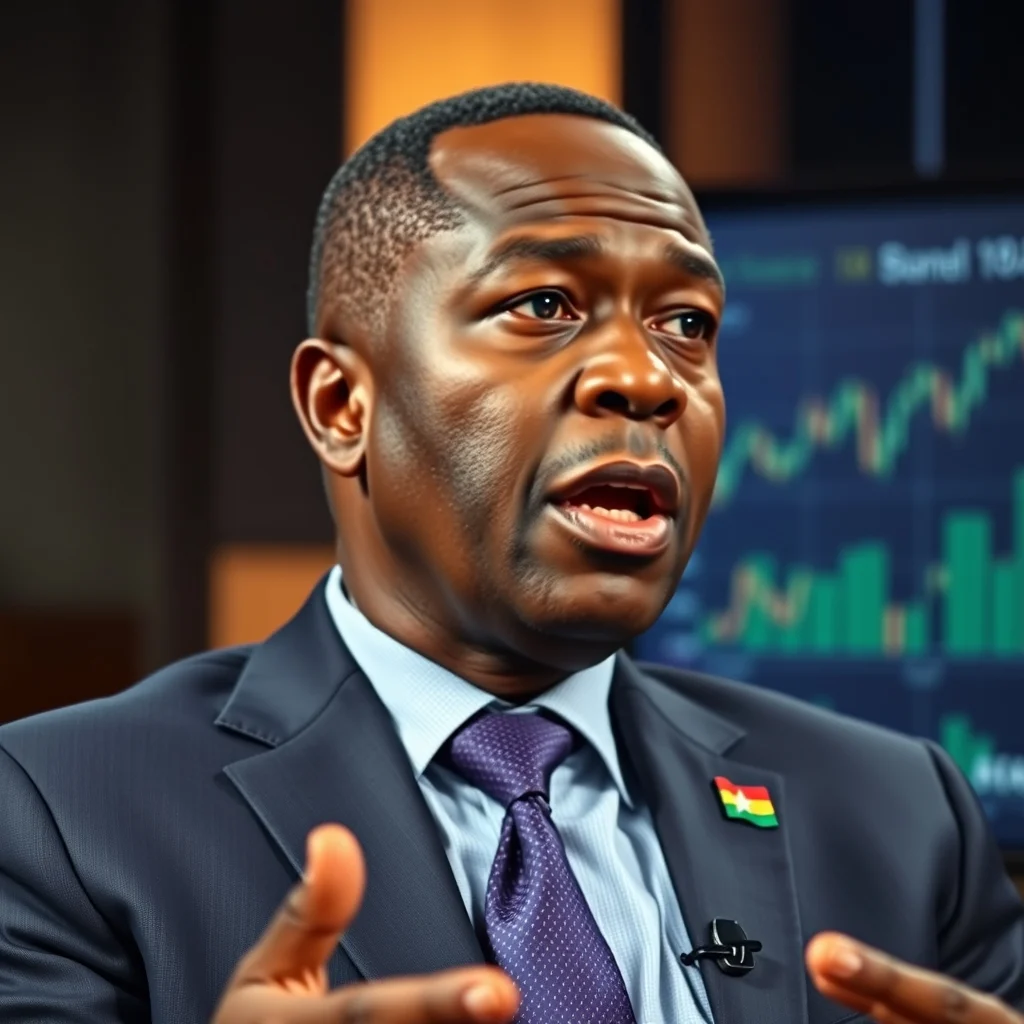
Banking consultant Dr. Richmond Atuahene has urged Ghana to urgently restructure its gold transactions, highlighting persistent accounting and policy challenges that undermine the nation’s financial system. Speaking on Joy FM’s Super Morning Show on Friday, May 1, Dr. Atuahene emphasized that reforms are critical for supporting currency stability and enhancing foreign reserve accumulation, issues that have been ongoing since 2021.
Context: Gold’s Crucial Role in Ghana’s Economy
Gold has historically been a cornerstone of Ghana’s economy, serving as a vital commodity for export earnings and a significant component of the nation’s foreign exchange reserves. The country is one of Africa’s largest gold producers. The stability and value of these reserves are crucial for managing the Ghanaian Cedi’s exchange rate against major international currencies and for maintaining investor confidence.
The Core Problem: Transactional Losses and Valuation Discrepancies
Dr. Atuahene pinpointed critical weaknesses in how gold is bought from suppliers and subsequently sold to the Bank of Ghana. He explained that discrepancies in the rates used for these transactions lead to significant, avoidable losses for the country.
“What we have to do to restructure the gold is to look at the rates at which gold is bought from customers and sold to the Bank of Ghana. That is where the losses come in,” Dr. Atuahene stated. He elaborated on the financial implications of timing in these transactions.
“If you purchase gold at, say, $11.21 today and send it to the Bank of Ghana the next day, you could incur a loss of about one or two cedis per unit. When transactions are done in millions, the losses become significant,” he explained. This suggests a lack of a robust, real-time valuation mechanism or an inefficient process for transferring gold to the central bank.
A Persistent Issue Requiring Comprehensive Reform
The banking consultant stressed that these issues are not new, having raised concerns for several years. “I have said it over and over again—from 2021, 2022, 2023—that we need to sit down as a country and restructure how gold is purchased by the Bank of Ghana through the gold board,” he noted.
This call for restructuring implies a need for greater transparency, potentially updated pricing models, and more efficient logistical processes within the gold transaction chain involving the Bank of Ghana and the relevant regulatory bodies or purchasing entities.
Gold’s Contribution to Reserves Despite Challenges
Despite the identified inefficiencies, Dr. Atuahene acknowledged the substantial positive impact gold transactions have had on Ghana’s foreign reserves. He credited these interventions for the significant increase in reserves.
“Without these interventions, we would not have moved from where we were in 2022 to about $14.7 billion in reserves currently,” he stated. This figure, if accurate and attributable to the described interventions, underscores the immense potential of a well-managed gold sector for national economic health.
Implications for Ghana’s Financial Future
Dr. Atuahene’s comments come at a time when discussions about the central bank’s financial performance and the broader economic strategies for stabilizing Ghana are prominent. The call for reform is directly linked to the nation’s ability to sustain and grow its foreign reserves.
“It is something we need to look at critically as a nation so that we can continue to build our reserves and ensure that the cedi can withstand shocks over time,” he added. This highlights the direct link between effective gold transaction management and the resilience of Ghana’s currency against economic volatility.
What to Watch Next
The focus will now shift to whether Ghanaian authorities will heed Dr. Atuahene’s call for comprehensive restructuring. Key areas to monitor include policy changes related to gold valuation, the efficiency of the Bank of Ghana’s gold purchasing processes, and the transparency of transactions. The success of these potential reforms will be crucial for the long-term stability of the Ghanaian Cedi and the nation’s overall economic health.






Leave a Reply