
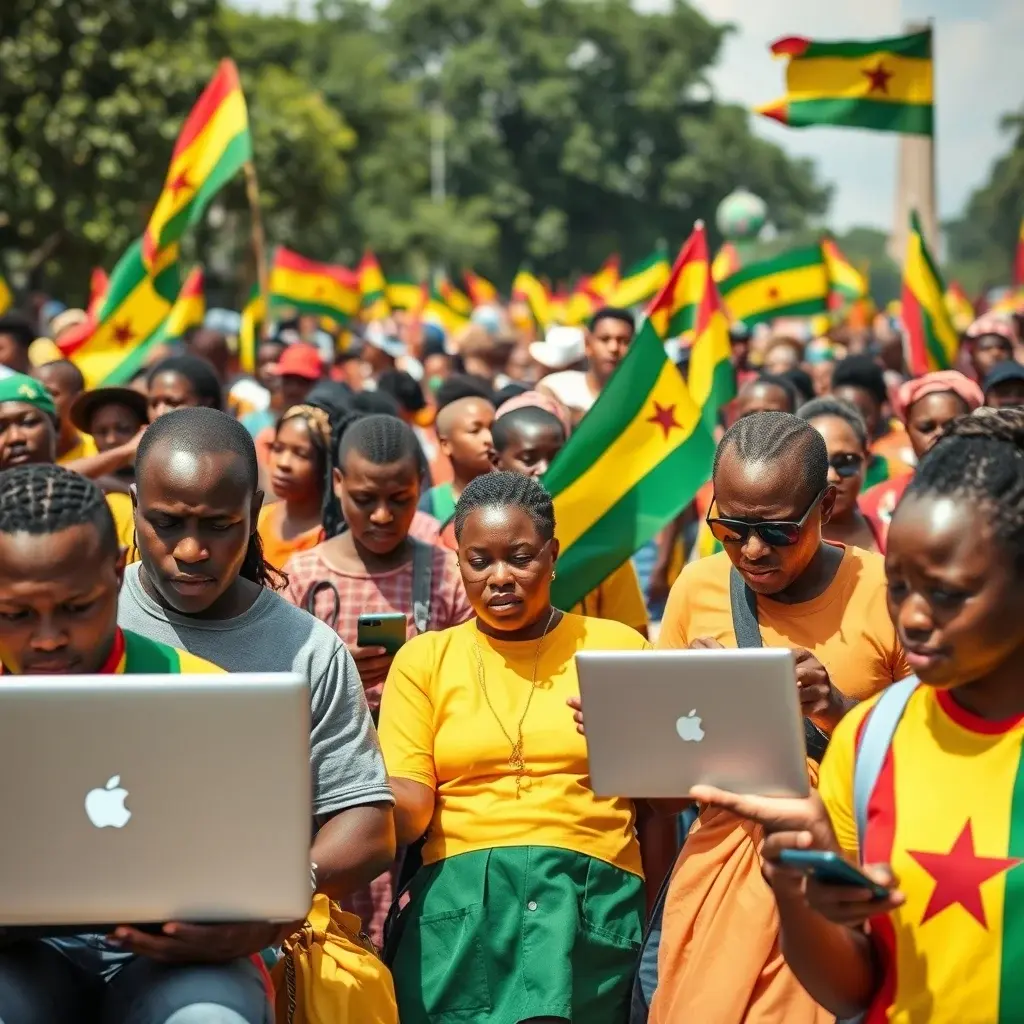
President John Mahama announced on Friday, May 1, 2026, that Ghana is nearing the finalization of a new Labour Bill. This legislation aims to update the nation’s labor framework to encompass modern work arrangements, including the gig economy, remote work, and digital platforms, ensuring enhanced worker protections across all sectors.
Modernizing Labor Laws for Evolving Workforces
The announcement came during the 2026 May Day celebrations held at Jackson Park in Koforidua. President Mahama emphasized that the reforms are a critical component of the government’s “Resetting Ghana” agenda, designed to provide dignity and security to all workers.
“We’re nearing completion of a new labour bill that addresses modern trends like remote work, the gig economy, and digital platforms,” President Mahama stated.
The new bill seeks to ensure that every worker, irrespective of their sector or geographical location, receives adequate protection. This includes guarantees for fair contracts and access to essential benefits such as secure pensions and clearly defined rights.
Ensuring Dignity and Security for All Workers
The government’s commitment to worker welfare extends to those engaged through digital applications as well as traditional office settings. The “Resetting Ghana” agenda prioritizes the well-being of every individual in the workforce.
“Our Resetting Ghana agenda ensures that whether you work in an office or you work with an app, your rights are protected, your pension is secure, and your dignity is non-negotiable,” the President added.
Economic Policy and Job Creation Focus
Beyond labor law reforms, President Mahama revealed upcoming economic policy shifts. The Minister of Finance is set to present a new economic policy to Cabinet and Parliament soon, outlining the country’s future growth strategy.
This policy will prioritize strategic investments, allocating approximately 1% of the annual GDP towards high-impact sectors identified for their strong job creation potential.
The 24-Hour Economy Initiative
A cornerstone of Ghana’s industrial transformation strategy, the 24-hour economy policy, has received parliamentary approval. This initiative aims to move beyond the traditional eight-hour workday to boost productivity and employment.
The policy will be supported by various incentives, including tax breaks, reduced power costs, and other benefits for industries that adopt multiple work shifts. This approach is expected to significantly expand employment opportunities and modernize the economy.
Broader Implications for Ghana’s Workforce
These comprehensive reforms signal a significant shift in Ghana’s approach to labor and economic development. By updating labor laws and fostering a 24-hour economy, the government aims to create a more inclusive and dynamic job market.
The focus on protecting gig economy workers and remote employees addresses a growing segment of the workforce that has often operated outside traditional labor protections. This proactive stance is crucial for adapting to the digital age and ensuring fair labor practices.
Looking Ahead
The successful implementation of the new Labour Bill and the economic policies supporting the 24-hour economy will be critical. Stakeholders will be watching closely to see how these initiatives translate into tangible benefits for Ghanaian workers, including increased job security, improved working conditions, and enhanced access to social benefits. The long-term impact on Ghana’s economic competitiveness and social equity remains a key area to monitor.










Leave a Reply