
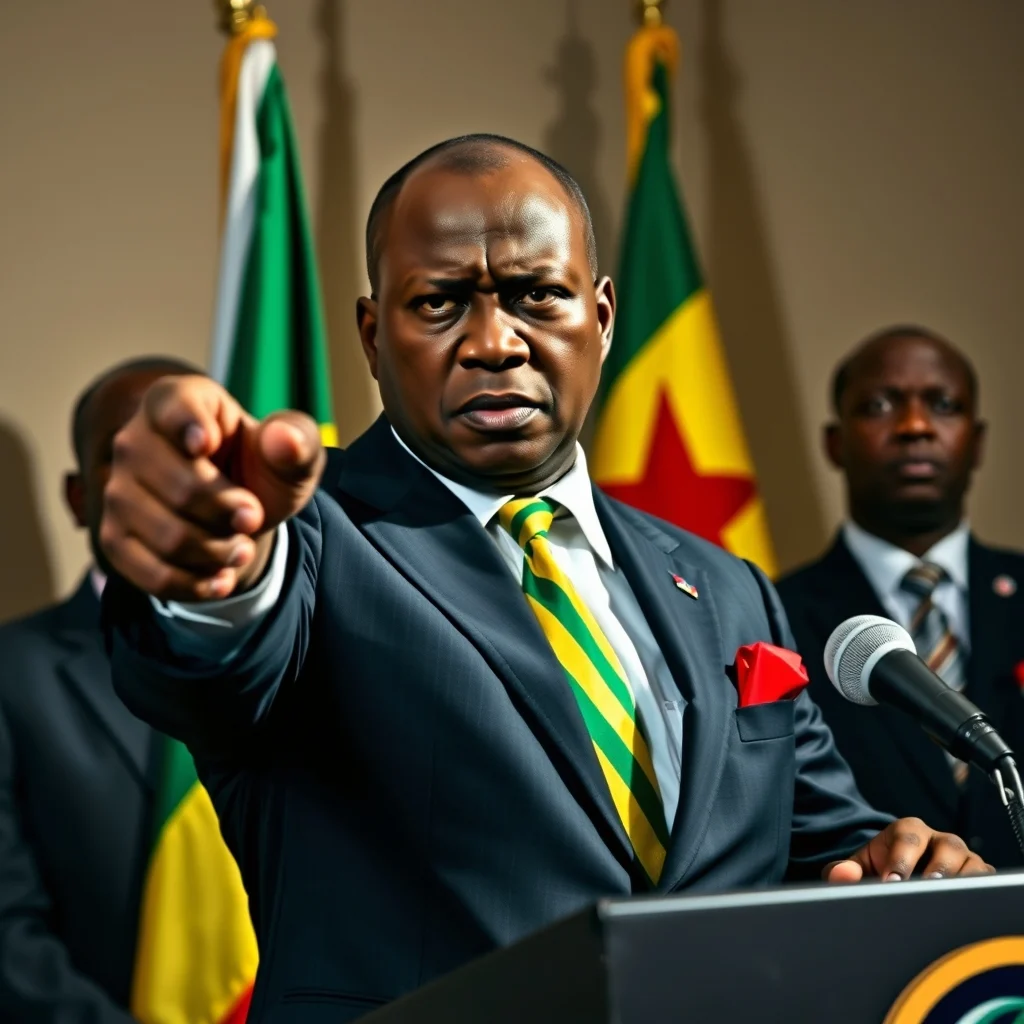
The National Chairman of the People’s National Convention (PNC), Samson Asaki Awingobit, has called for the immediate arrest and prosecution of the National Youth Organizer of the New Patriotic Party (NPP), Salam Mustapha. This demand stems from comments made by Mr. Mustapha threatening to “weaponise” the party’s youth to destabilize the country. The remarks were made recently, and the PNC Chairman is urging swift action from national security agencies to prevent potential unrest.
Context of Political Rhetoric and National Security
Mr. Awingobit characterized Mr. Mustapha’s statements as reckless and a direct threat to national peace and security. Speaking at a press conference in Kumasi following a meeting with PNC regional chairmen, he emphasized the need for political leaders to exercise restraint and speak responsibly within the framework of Ghana’s 1992 Constitution.
The PNC leadership expressed alarm over what they perceive as a pattern of dangerous political utterances from some opposition figures. They warn that such unchecked rhetoric could jeopardize the country’s hard-won peace and stability.
Historical Parallels and Weaponization Concerns
Drawing a stark comparison to the 1994 genocide in Rwanda, Mr. Awingobit cautioned against the potent danger of inflammatory political rhetoric. He highlighted how careless comments from influential leaders have historically triggered devastating national crises.
Further underscoring the seriousness of such threats, the PNC Chairman referenced recent operations by the National Commission on Small Arms and Light Weapons. During these exercises, illegal weapons were retrieved from civilians, indicating that threats involving weapons and violence should not be dismissed as mere political posturing.
Broader Condemnations and Call for Rule of Law
The PNC Chairman also condemned separate remarks attributed to an NPP communication member, which reportedly threatened attacks on the headquarters of the ruling National Democratic Congress (NDC) if opposition members were arrested. Mr. Awingobit labeled these statements as “reckless” and inappropriate coming from the leadership of a major political party like the NPP.
He asserted that no individual or political group should presume to be more powerful than the state. Mr. Awingobit urged the government to enforce the law impartially, without fear or favour.
PNC’s Stance on National Cohesion
The People’s National Convention stated that as a party committed to national cohesion and democratic stability, it cannot remain silent on issues that pose a threat to the country’s peace and security. The press conference in Kumasi was preceded by a closed-door meeting of the PNC’s national leadership and regional chairmen. This meeting focused on internal party challenges, strategies for reorganization, and efforts to revitalize the party’s grassroots support in preparation for the 2028 general elections.
Implications and Future Outlook
The call for the arrest of Mr. Mustapha underscores the growing concern over inflammatory political language in Ghana and its potential to incite violence. The PNC’s strong stance highlights the delicate balance between political expression and the imperative to maintain national security. Observers will be watching to see how the relevant security agencies respond to the PNC’s demand and whether this incident prompts broader discussions or actions regarding political accountability for speech that threatens public order. The upcoming general elections in 2028 may see increased scrutiny of such rhetoric as parties campaign for power.



Leave a Reply