
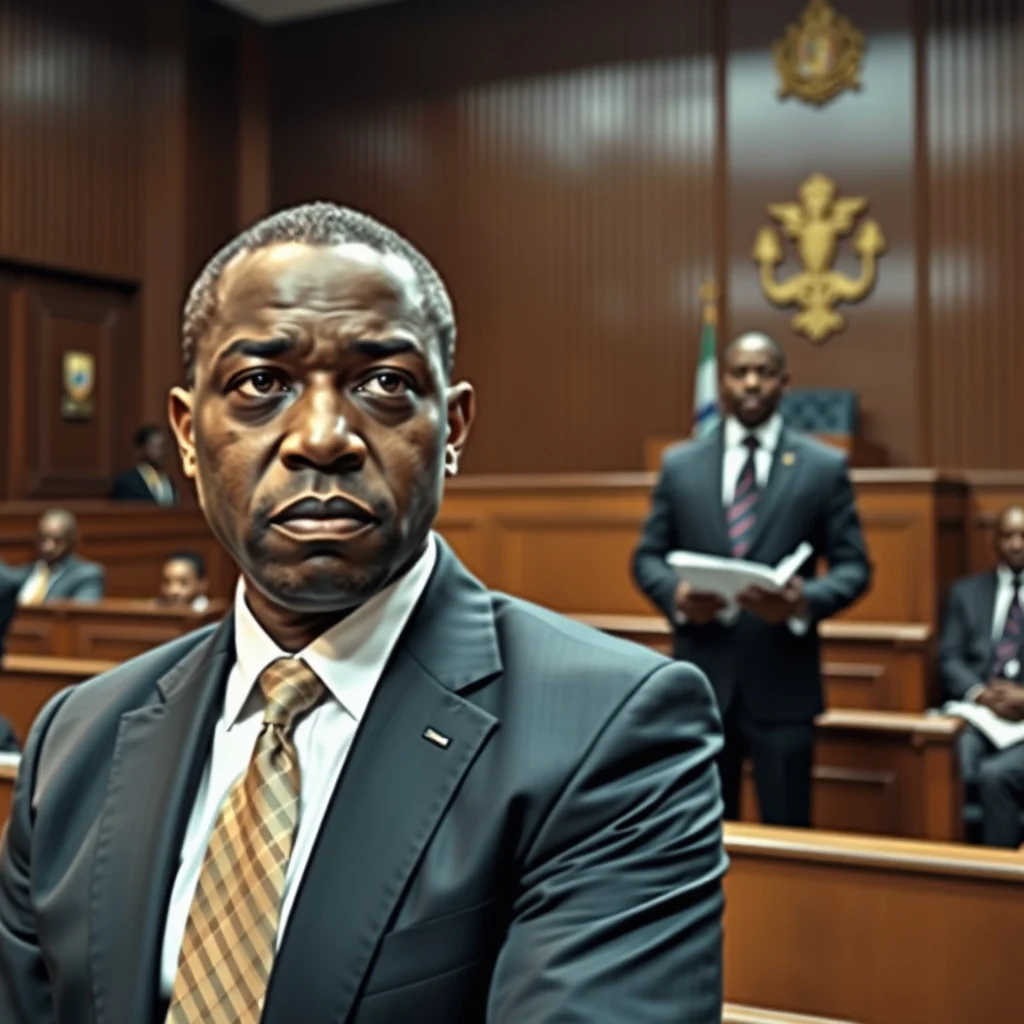
Accra, Ghana – Bernard Antwi Boasiako, popularly known as Chairman Wontumi and the New Patriotic Party (NPP) Ashanti Regional Chairman, has refuted allegations of authorizing illegal mining activities on Akonta Mining’s concession. Appearing before the High Court in Accra on Thursday, May 21, Wontumi stated that his arrangement with prosecution witness Henry Okum (PW2) was strictly for land reclamation and coconut cultivation, not mineral extraction.
Context of the Allegations
The case revolves around accusations of illegal mining on a concession belonging to Akonta Mining. Wontumi, who is currently presenting his defence, faces scrutiny regarding his alleged involvement or authorization of mining activities on this land. The prosecution contends that Wontumi knowingly permitted mining operations in exchange for a share of the profits, a claim he vehemently denies.
Wontumi’s Defense in Court
During cross-examination by Deputy Attorney-General Justice Srem Sai, Wontumi clarified his agreement with PW2. He asserted that PW2 was granted access solely to reclaim degraded areas by planting coconut trees. “I didn’t give him permission to mine,” Wontumi told the court, emphasizing the cultivation aspect of their arrangement.
He further denied any involvement in helping PW2 acquire heavy machinery, such as excavators. “That is not true. I do not know what work he did. He only planted trees and carried out reclamation. I did not assist him in purchasing any earth-moving equipment,” Wontumi stated.
Prosecution’s Counterarguments
The prosecution, however, presented a different narrative. They argued that Wontumi was aware of and allowed mining activities on the concession. Evidence suggests the prosecution believes Wontumi intentionally distanced himself from the site to avoid direct culpability.
The prosecution’s central claim is that Wontumi’s business model involved facilitating illegal mining on concessions for a cut of the proceeds. Wontumi dismissed this accusation as a “blatant falsehood” during his testimony.
Judicial Review and Previous Testimony
Presiding judge Audrey Kocuvie-Tay had previously ruled that Wontumi had a case to answer. This decision was based on the testimony of PW2 and Wontumi’s own caution statement to the police.
PW2’s earlier testimony indicated that he had been permitted to mine portions of the concession, with the proceeds intended to fund reclamation efforts. The judge highlighted that Wontumi had admitted allowing PW2 onto the concession, but only “to plant coconut trees to reclaim the mined portion of the concession.” This distinction between mining and reclamation is central to Wontumi’s defence.
Lack of Formal Agreement and Site Visits
During the recent hearing, Wontumi acknowledged the absence of a written agreement detailing the reclamation arrangement with PW2. He also admitted to never personally visiting the site after granting PW2 access.
Despite not visiting, Wontumi claimed to have received video evidence of the reclamation work. He also stated that approximately 18,000 coconut trees had been planted on the concession, presenting this as proof of the agreed-upon land restoration activities.
Implications and Future Outlook
This case highlights the complex intersection of political influence, land use, and alleged illegal mining in Ghana. The court’s proceedings will scrutinize the nature of agreements concerning resource-rich concessions and the accountability of individuals in positions of power.
The outcome could set precedents for how land reclamation agreements are documented and enforced, particularly when potential for mining revenue is involved. Observers will be watching to see how the court weighs Wontumi’s defence against the prosecution’s evidence and PW2’s testimony in determining the truth behind the operations on the Akonta Mining concession.










Leave a Reply