
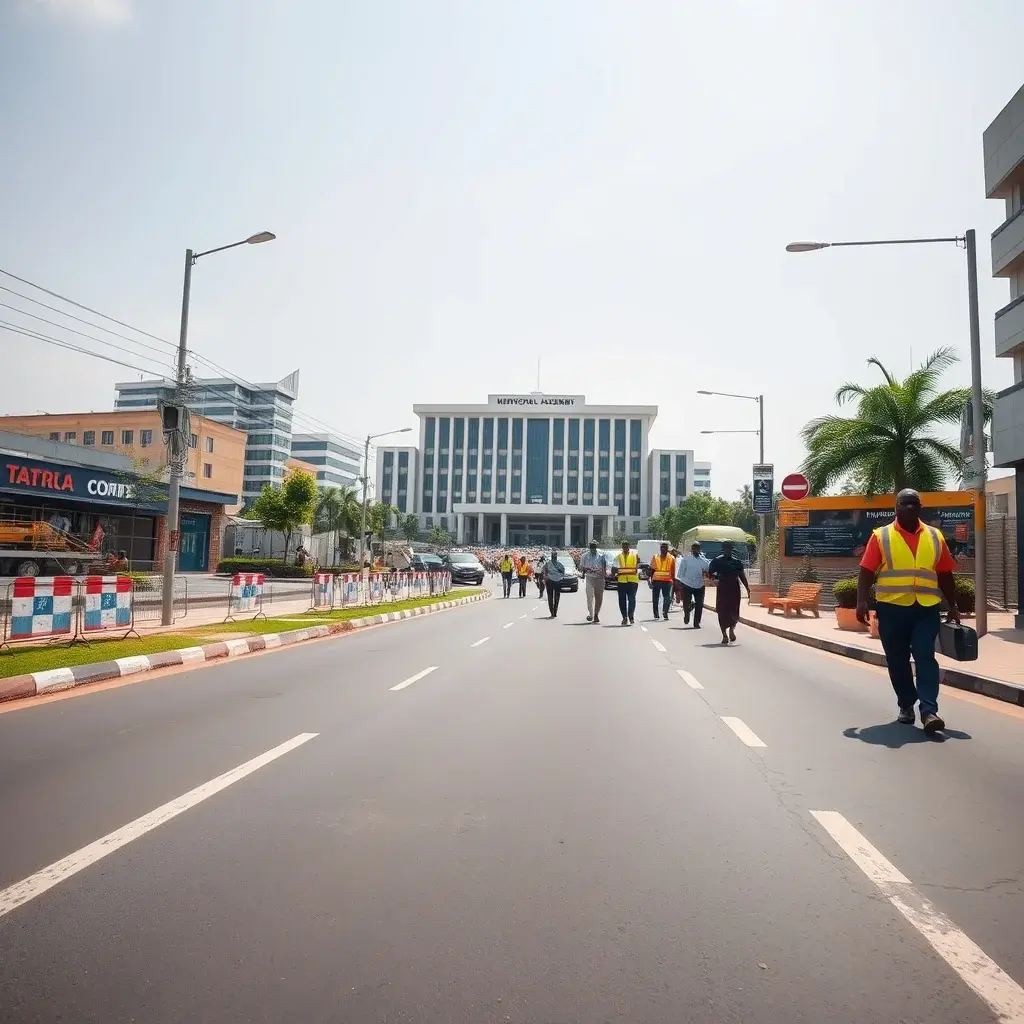
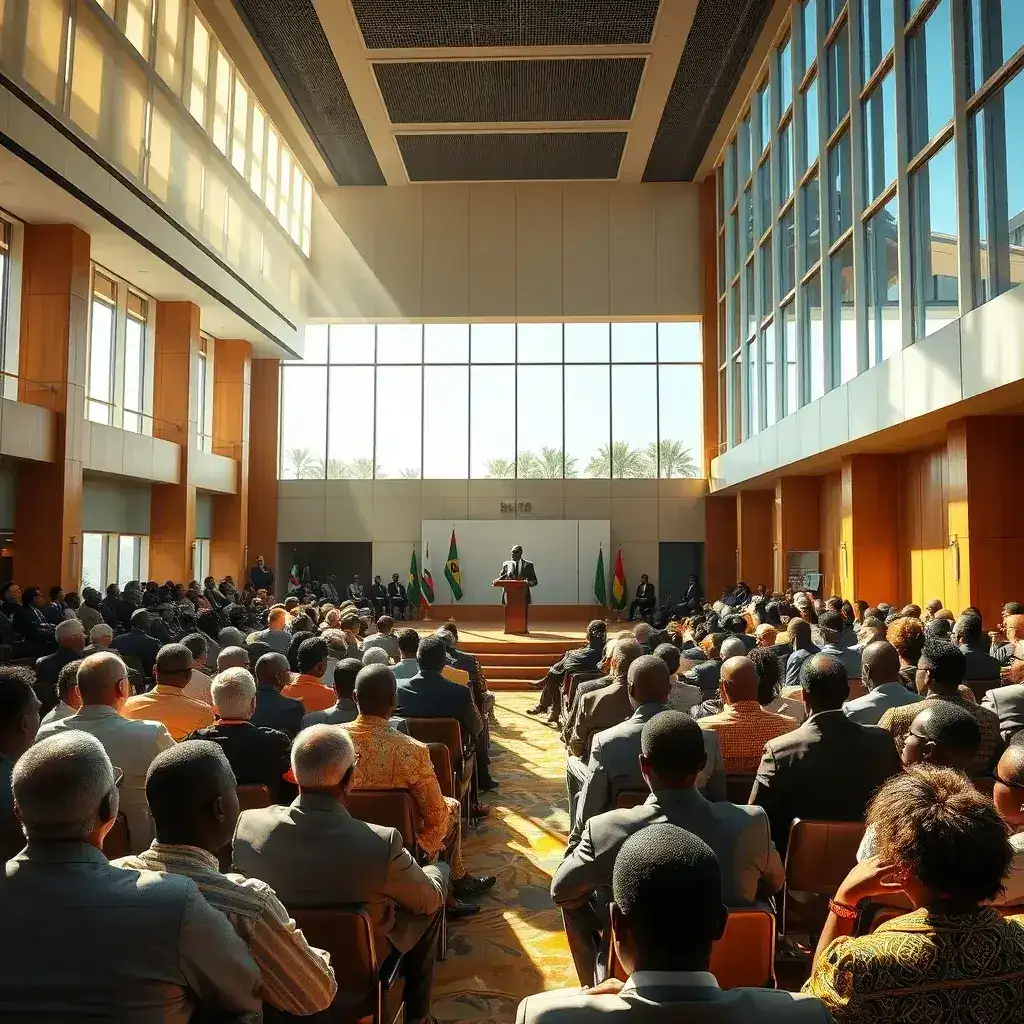
The Tema Metropolitan Assembly (TMA) convened its first ordinary session recently, addressing critical development priorities including revenue mobilization, sanitation, infrastructure development, and enhancing service delivery across the metropolis. The meeting saw invited institutions respond to concerns regarding road conditions, power outages, and public health initiatives.
Addressing Key Metropolitan Concerns
Institutions like the Ghana Ports and Harbours Authority, the Electricity Company of Ghana (Tema Region), and the Tema Metro Health Directorate were summoned to provide updates and address pressing issues. Concerns over deteriorating roads within port operational areas, persistent power outages affecting residents and businesses, and the activities of Mercy Ships were central to these discussions.
Revenue Mobilization and Past Challenges
Tema Metropolitan Chief Executive (MCE), Madam Ebi Bright, highlighted the assembly’s journey since her nomination. Upon assuming office, the assembly faced significant financial hurdles. As of March 2025, internally generated fund (IGF) collection stood at a mere 13 percent of the target. The District Performance Assessment Tool (DPAT) score was 35 percent, falling below the national average.
Further compounding these issues, over 3,000 temporary structures occupied public spaces without proper authorization. Out of this number, only 95 permits were on file, with just 19 being valid, indicating that approximately 97 percent of these structures were unauthorized.
Decisive Actions and Visible Progress
Despite these considerable challenges, the TMA administration implemented decisive measures. These included a moratorium on container permits, the establishment of security zones around schools and public institutions, and the commencement of decongestion exercises along the Republic Road corridor.
These interventions began to yield tangible results. By December 2025, IGF collection improved significantly, reaching 74 percent of the target. The assembly also approved a 2026 Annual Action Plan comprising 241 programs, signaling a structured approach to development.
The MCE emphasized that the administration’s approach was guided by honesty, deliberate action, and transparent reporting. This philosophy has contributed to ongoing interventions that have started showing visible improvements, such as roads undergoing construction, drains being rebuilt, public spaces being reclaimed, and strengthened institutional systems and partnerships.
Revenue Performance Over Time
Madam Bright provided a detailed overview of the assembly’s IGF collection trends. In 2022, the assembly collected GH₵26.4 million, achieving 98 percent of its target. Collections saw a dip in 2023, reaching GH₵22.3 million (87 percent), largely attributed to contractor-related disruptions.
However, revenue rebounded in 2024, with GH₵34 million collected, representing 99 percent of the target. For 2025, the assembly set a target of GH₵37.7 million and successfully collected GH₵36.64 million, achieving 97 percent of the target.
First Quarter 2026 Performance and Setbacks
In the first quarter of 2026, the assembly collected GH₵6.76 million against an annual target of GH₵42.97 million, which translates to 15.74 percent. This is a marginal improvement compared to the 12.3 percent achieved during the same period in 2025.
A contributing factor to the shortfall in the first quarter of 2026 was the delay in rolling out property rate bills due to integration issues with the DLRev platform. Consequently, property rates only achieved eight percent of their target in the first quarter. Licenses, however, performed better at 28 percent, while fees reached 19 percent.
District Assemblies Common Fund (DACF) Allocations
Regarding the District Assemblies Common Fund (DACF), Tema’s allocation for 2025 was GH₵28.64 million. By the end of the year, GH₵4.45 million had been released, representing approximately 50 percent of the total allocation.
For 2026, the assembly projects to receive about GH₵34.5 million, though no DACF releases had been made as of March 2026.
Looking Ahead
The recent ordinary session of the Tema Metropolitan Assembly underscores a commitment to tackling persistent developmental challenges. While revenue generation and infrastructure remain key focus areas, the assembly’s proactive steps and transparent reporting suggest a determined effort to improve service delivery. The coming months will be crucial in observing the sustained impact of these strategies, particularly in overcoming revenue collection shortfalls and ensuring timely project execution, which will shape the future development trajectory of the metropolis.







Leave a Reply