
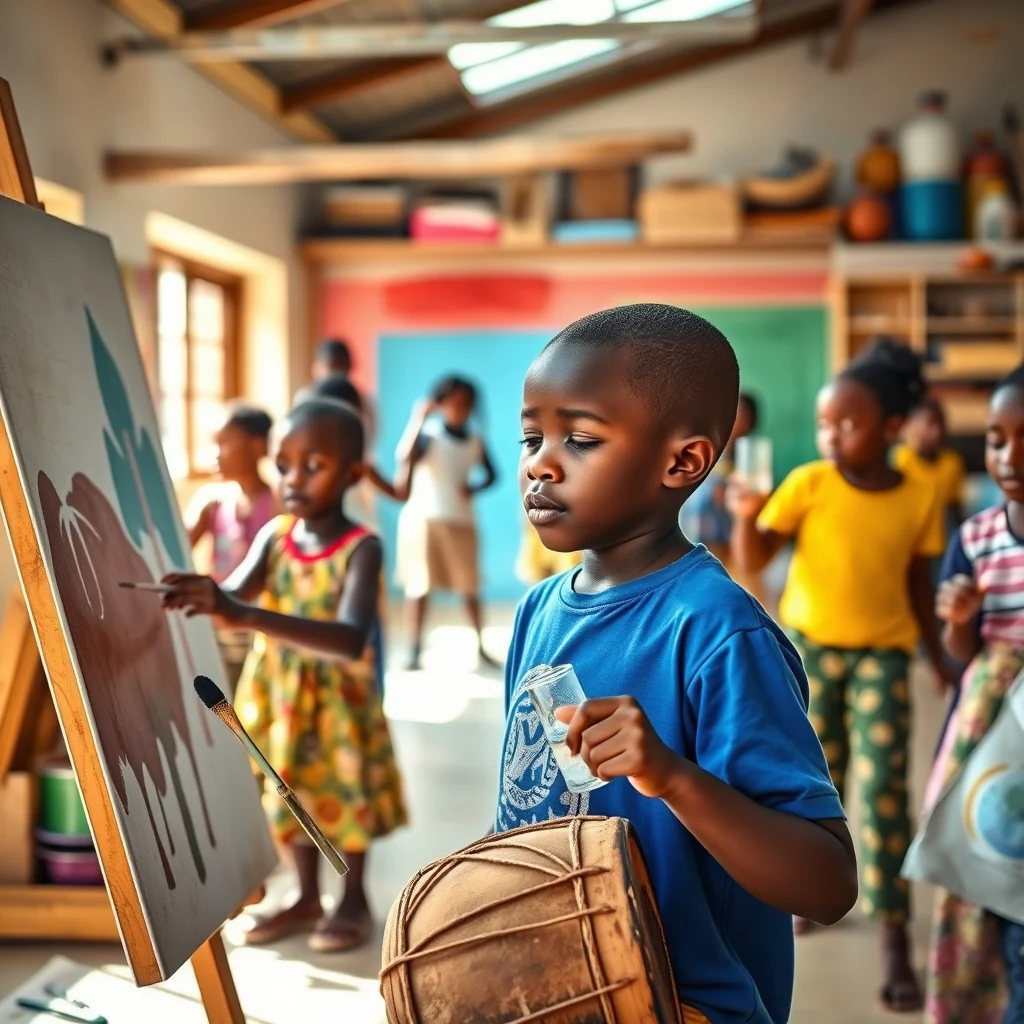
Aba Oppong, Executive Director of Rights and Responsibilities Initiatives in Ghana, has called for increased support to help children discover, nurture, and develop their innate talents, emphasizing that these abilities can significantly transform individual lives and contribute to national development. The call comes as experts increasingly highlight the crucial role of early talent cultivation in shaping children’s confidence, creativity, and future career paths.
The Importance of Nurturing Potential
Oppong, speaking in Kumasi, highlighted that every child possesses unique gifts and potentials that require the right guidance, support, and an enabling environment to flourish. Talents spanning sports, music, arts, science, leadership, and technology are seen as powerful tools for personal growth and economic empowerment.
However, she observed a significant gap between potential and realization. Many talented children face obstacles such as limited opportunities, inadequate facilities, a lack of financial support, and sometimes, discouragement from parents and society. This is particularly acute for gifted children in rural communities who struggle to access platforms for skill enhancement and dream achievement.
Adolescence: A Critical Development Stage
The period of adolescence is critical, as children develop values and skills that shape their future. Oppong stressed that empowering young people through education, skills training, and opportunities is essential for them to reach their full potential.
Data from UNICEF Ghana indicates that young people aged 10 to 24 constitute approximately one-third of Ghana’s population. Investing in their development is therefore crucial for the country’s future growth and productivity.
Overcoming Challenges to Achieve Excellence
Despite numerous challenges, many talented Ghanaian children continue to excel in fields like football, athletics, music, dance, poetry, coding, and entrepreneurship. These success stories underscore the transformative power of support systems, demonstrating that with the right encouragement, children can achieve greatness and inspire others.
A Holistic Approach to Child Development
Oppong advised parents and schools to move beyond a sole focus on academic performance. Creating space for extracurricular activities is vital for identifying and nurturing natural abilities. Activities such as sports, drama, debate, cultural performances, and creative arts help build children’s confidence, creativity, and leadership skills.
Play is also recognized as an essential component of child development. Play-based learning equips children with the cognitive, creative, physical, and emotional skills needed to thrive in a rapidly changing world. Globally, sports development is increasingly viewed as a key aspect of child empowerment.
Talent Development as a Social Solution
Child rights advocates believe that talent development can play a role in mitigating social problems like unemployment, drug abuse, and crime among youth. Children engaged in productive activities are more likely to remain focused and motivated towards positive goals.
Initiatives by organizations like UNICEF and other stakeholders are introducing social innovation, entrepreneurship, and skills development programs. These aim to equip children and young people with practical skills and learning opportunities for future careers.
Calls for Investment and Parental Support
Oppong urged the government to increase investment in youth centers, sports academies, libraries, and creative arts programs. Such investments are crucial for nurturing children’s talents from an early age, helping to cultivate future leaders and professionals.
Parents are also encouraged to actively support their children in discovering and developing their talents. Child psychologists recommend encouraging children to pursue career paths aligned with their abilities and passions, ensuring a more fulfilling and impactful future.
Looking Ahead
The focus on talent development signifies a broader understanding of child well-being and national progress. Future efforts will likely concentrate on expanding access to resources, integrating talent identification into educational frameworks, and fostering a societal culture that values diverse skills and passions alongside academic achievement. Continued collaboration between government, NGOs, educational institutions, and parents will be key to unlocking the full potential of Ghana’s youth.





Leave a Reply