
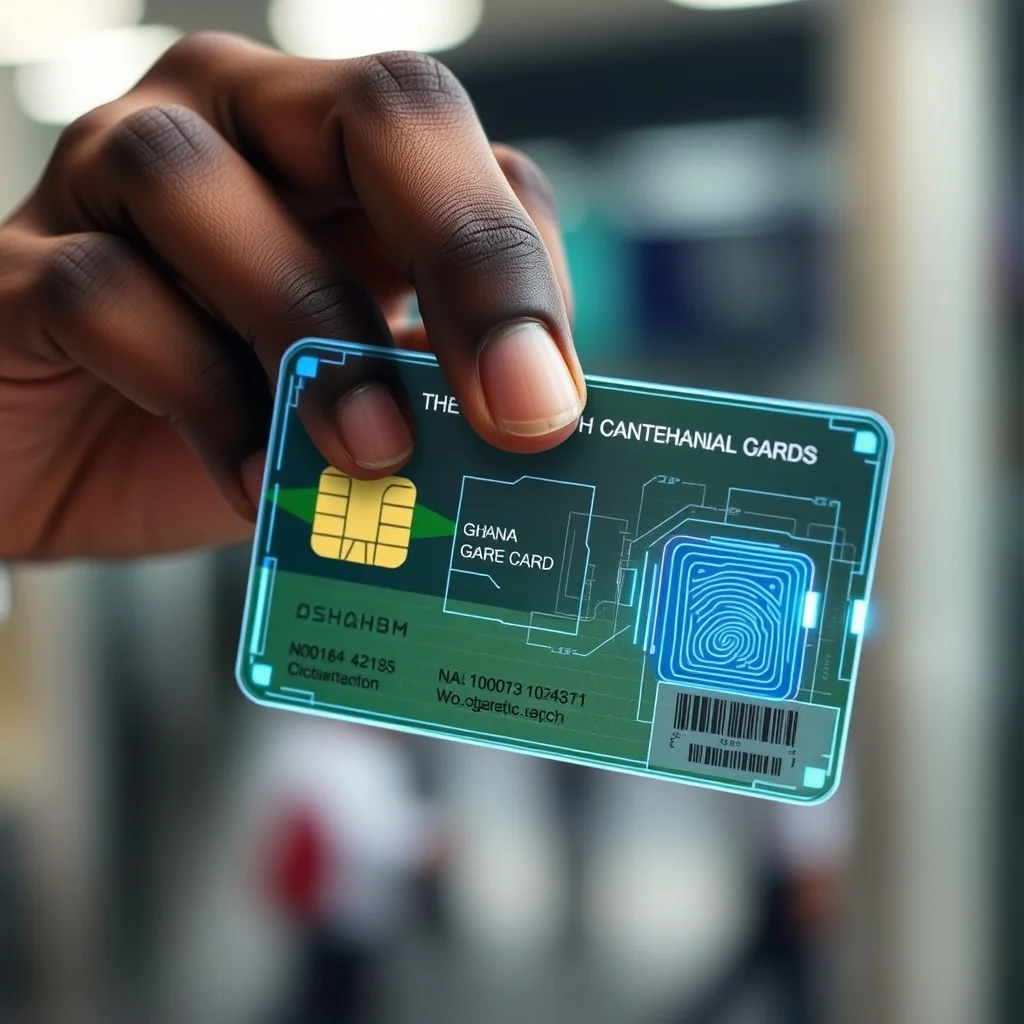
Accra, Ghana – The National Identification Authority (NIA) is set to implement mandatory biometric verification for all transactions as part of significant reforms to Ghana’s national identity system. Executive Secretary Wisdom Kwaku Deku announced the push, which aims to enhance security and reliability in identity verification processes nationwide. Proposed legislative amendments are currently before Parliament to support these changes.
Strengthening Identity Verification
The core of the proposed reforms involves making biometric verification the sole method for confirming identity. This move seeks to phase out reliance on less secure methods such as visual inspection of cards or the submission of photocopies. “All transactions should go through biometric verification,” stated Mr. Deku, emphasizing that non-compliance will be an offense under the new legal framework.
Expanded Registration Efforts
Alongside the verification mandate, the NIA has recommenced nationwide registration for children aged six to 14. Over 60,000 children in the Volta and Oti regions have already been registered in this initiative. Furthermore, technical issues that previously hindered the registration of infants (zero to five years) have been resolved. This resolution enables the issuance of Ghana Card Personal Identification Numbers (PINs) at birth, fulfilling a critical aspect of establishing legal identity from the earliest stages of life.
Alignment with Global Goals
These comprehensive reforms are strategically aligned with Ghana’s broader national development agenda. They also directly support international commitments, most notably the United Nations Sustainable Development Goal 16.9. This goal specifically targets the provision of legal identity for all individuals by the year 2030. Mr. Deku highlighted the significance, stating, “This means that a child born in Ghana can now begin life with a legal identity.”.
Enhancing Operational Reach and Security
The NIA is also broadening its operational capacity. Plans include the introduction of 24-hour registration centres to expedite the issuance of national IDs. The authority is also establishing international registration missions to capture the identity of Ghanaians living abroad. A key element of the expansion involves strengthening integration with other state institutions, creating a more unified and robust national identity infrastructure.
Internal reforms are also underway to bolster the system’s integrity. These include pursuing ISO certification to meet international standards for quality management and security. Legislative amendments are being drafted to update the legal framework governing the national identification system. These measures collectively aim to improve the security, efficiency, and public trust in the Ghana Card system.
Implications for Citizens and Institutions
The mandatory biometric verification signifies a major shift towards a more secure and reliable digital identity ecosystem in Ghana. For citizens, this means that everyday transactions, from banking to accessing government services, will require a higher level of identity assurance. While enhancing security, the transition may initially present challenges for those less familiar with biometric technologies.
For businesses and public institutions, the reforms necessitate upgrades to their systems to accommodate mandatory biometric verification. This could lead to increased operational costs but also promises greater efficiency and reduced fraud in the long run. The ability to issue IDs at birth is a landmark achievement, ensuring that every Ghanaian child has a foundational legal identity, which is crucial for accessing education, healthcare, and other essential services.
What to Watch Next
The focus will now shift to the parliamentary process for approving the proposed amendments. Public awareness campaigns will be crucial to educate citizens about the upcoming changes and the importance of biometric verification. The successful implementation of 24-hour registration centres and international missions will be key indicators of the NIA’s enhanced capacity. Observers will also monitor the integration progress with other state agencies and the impact of ISO certification on the overall security and trustworthiness of the national identity system.










Leave a Reply