
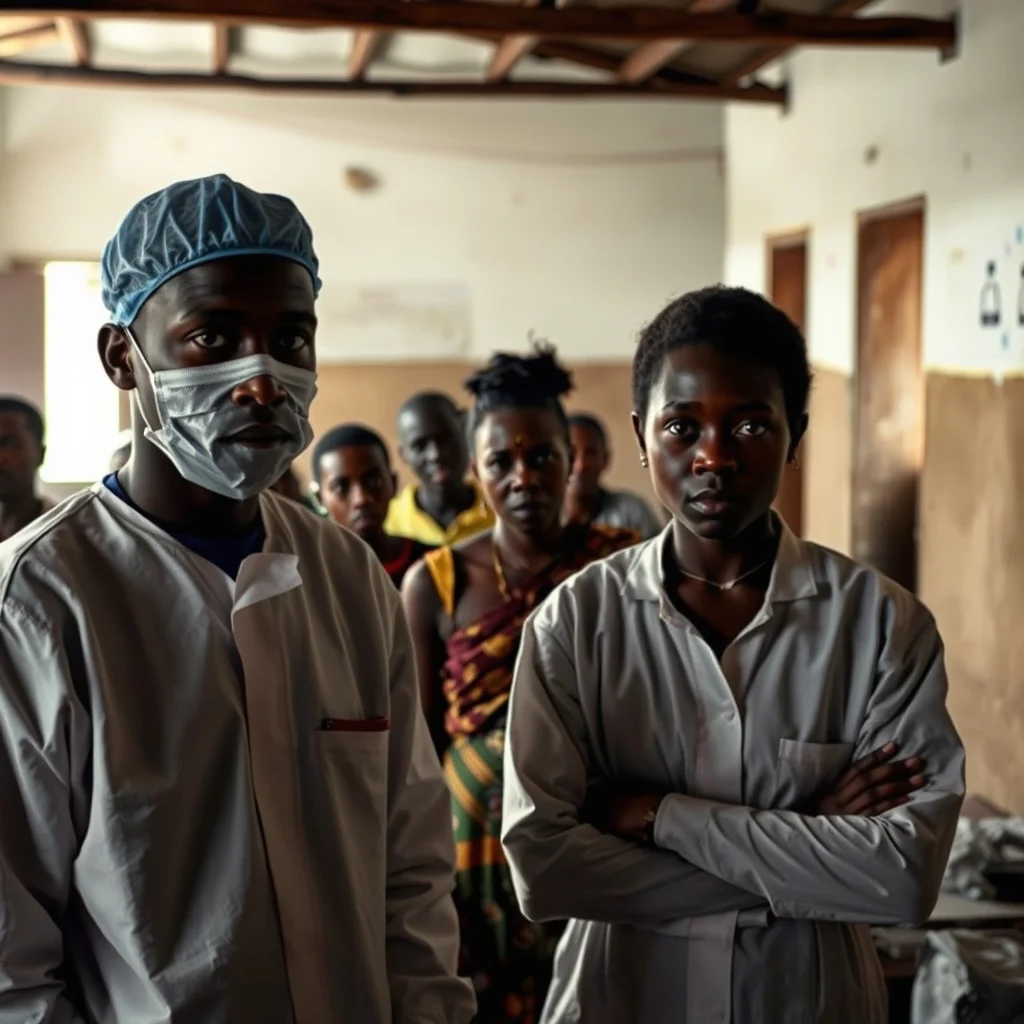
The World Health Organization (WHO) has escalated the public health risk assessment for the current Ebola outbreak in the Democratic Republic of Congo (DRC) from ‘high’ to ‘very high’ at the national level. This announcement, made on Friday by WHO head Dr. Tedros Adhanom Ghebreyesus, also noted a ‘high’ risk in the wider African region while maintaining a ‘low’ global risk. The outbreak is primarily caused by a rare species of Ebola known as Bundibugyo, which has a mortality rate of approximately one-third and lacks a proven vaccine.
The current outbreak, centered in the DRC, has led to 177 suspected deaths and 750 suspected cases. Adding to the complexity, the situation in neighboring Uganda, with two confirmed cases of the Bundibugyo species and one death, is reported as ‘stable.’ Both Ugandan cases originated from individuals who had traveled from the DRC.
Context of the Bundibugyo Ebola Strain
Ebola is a severe and often fatal viral disease. While the Bundibugyo species is less deadly than other strains, its rarity means fewer established tools are available for its containment. Ebola viruses typically infect animals, most commonly fruit bats, and human outbreaks can occur through contact with or consumption of infected animals.
The WHO’s decision to raise the risk assessment comes as scientists at Oxford University in the UK are advancing the development of a new vaccine. This vaccine utilizes the same technological platform as the successful AstraZeneca COVID-19 vaccine. While animal testing is reportedly underway, there is no guarantee of efficacy, and human clinical trials will be necessary to determine its effectiveness. The Serum Institute of India is prepared for mass production should the Oxford team successfully develop a viable vaccine.
Vaccine Development and Challenges
A separate experimental vaccine targeting the Bundibugyo strain is also in development, though it is anticipated to require six to nine months before it is ready for testing. Dr. Vasee Moorthy, a WHO research and development adviser, recently described this experimental vaccine as ‘the most promising,’ likening its potential impact to that of Ervebo, a vaccine already in use for the more common Zaire species of Ebola.
The WHO declared a public health emergency of international concern on Sunday, clarifying that the situation does not yet constitute a pandemic. However, Dr. Tedros highlighted that violence and insecurity in the conflict-affected regions of the DRC are significantly hindering response efforts and the crucial work of building public trust.
Security Concerns and Public Reaction
The outbreak has been further complicated by incidents of violence. In one notable event, angry relatives set fire to a hospital in eastern DRC after healthcare workers refused to release the body of a deceased patient due to contamination risks. Local politician Luc Malembe Malembe described the scene, reporting that projectiles were thrown at the hospital and isolation tents were set ablaze. Police reportedly fired warning shots to disperse the crowd.
Ensuring safe burials for Ebola victims is critical to preventing the virus’s spread, as deceased individuals can be highly infectious. Medical personnel at Rwampara General Hospital, near Bunia in Ituri province where most cases have been reported, were placed under military protection following the incident. The fear among residents in affected areas is palpable, with one taxi rider expressing, ‘Ebola has tortured us. I am scared because people are dying very fast… we are really afraid.’ Another resident acknowledged that such fear is ‘normal when there’s a disease like this.’
Implications and Future Outlook
The elevation of the risk assessment underscores the seriousness of the current Ebola outbreak, particularly given the challenges posed by the Bundibugyo strain’s rarity and the lack of a specific vaccine. The ongoing insecurity in eastern DRC presents a significant obstacle to effective containment strategies, including contact tracing and safe burial practices. The development of new vaccines, while promising, faces a critical timeline, with potential trials months away.
The coming weeks will be crucial in monitoring the spread of the virus within the DRC and neighboring countries. Continued efforts to build community trust and ensure the safety of healthcare workers will be paramount. The progress of vaccine development and the effectiveness of containment measures in overcoming security challenges will be key indicators to watch as the situation evolves.








Leave a Reply