

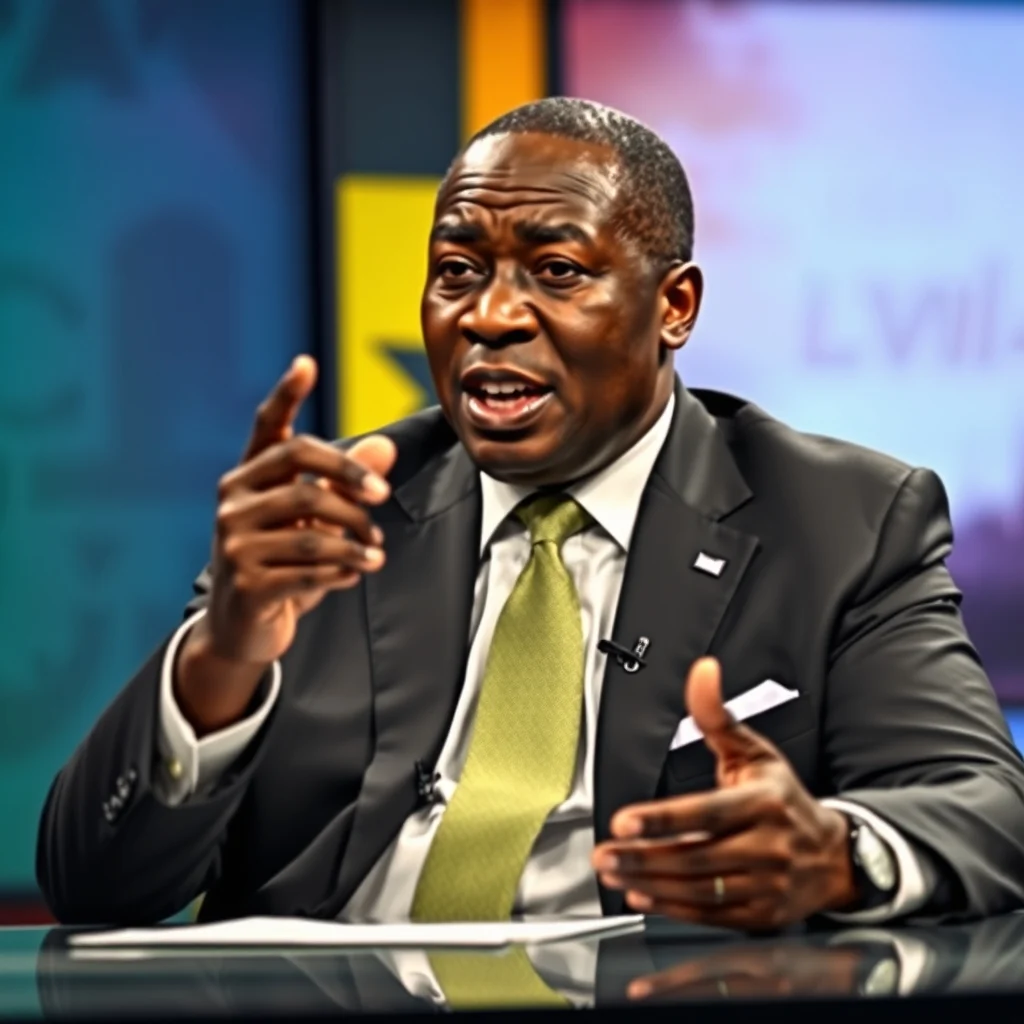
Ghana’s Ambassador to the United States, Emmanuel Victor Smith, has implored Ghanaians residing in America, particularly those facing precarious living situations, to invest in education and self-improvement as a means to navigate challenges and avoid constant fear of immigration enforcement.
Context of Migration Challenges
Ambassador Smith’s remarks come amidst ongoing concerns about the welfare of Ghanaian migrants in the US, many of whom grapple with unstable employment and the pervasive threat of deportation. While a significant portion of the Ghanaian diaspora thrives, a segment faces considerable hardship.
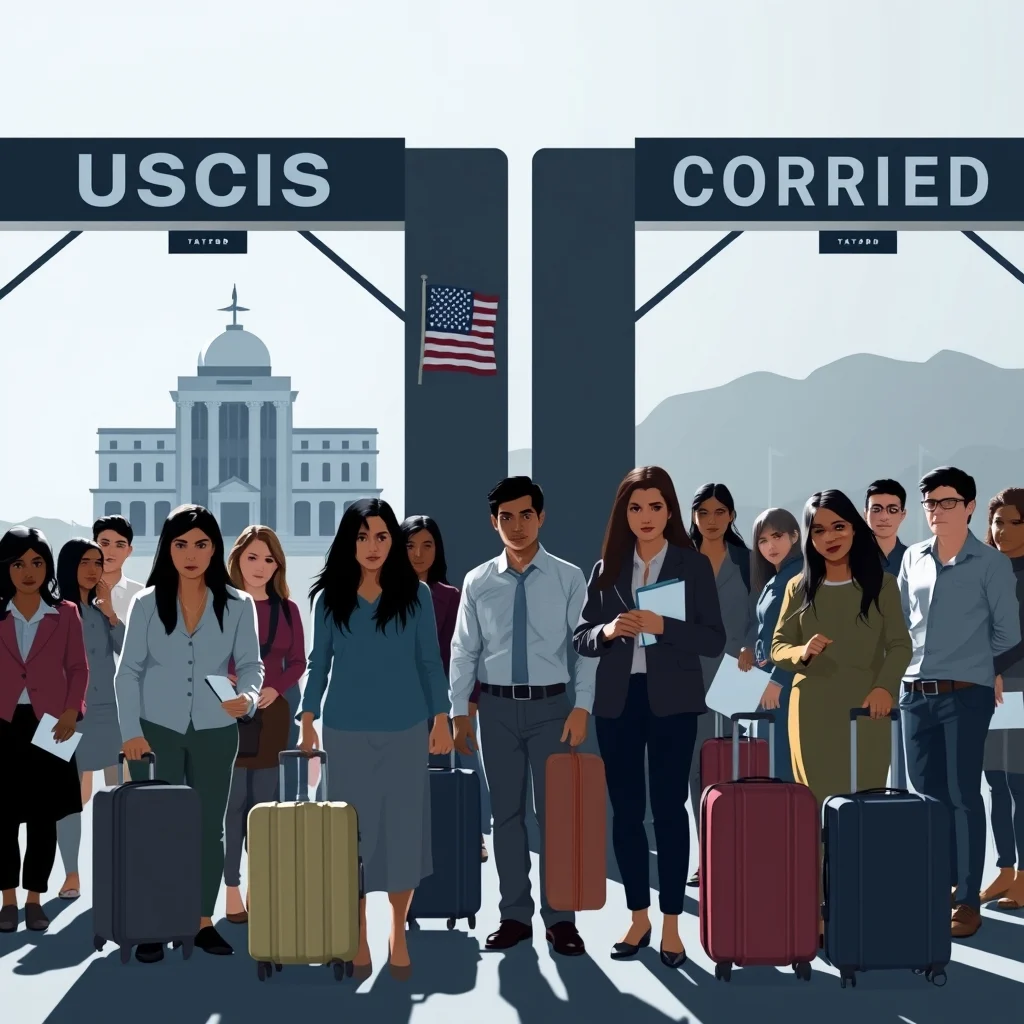
In an interview with Adom News, the Ambassador highlighted the plight of individuals who lack formal education and secure jobs. He described their daily existence as a continuous evasion of Immigration and Customs Enforcement (ICE) officials, leading to chronic anxiety and restricted freedom.
Ambassador’s Call for Self-Improvement
Smith acknowledged the difficult circumstances many Ghanaians face, stating, “Some people are also not in good places. They didn’t go to school, nor have good jobs and every day, they are playing hide and seek with ICE.” This situation, he noted, creates a constant state of fear and prevents individuals from living fulfilling lives.
Despite these challenges, the Ambassador expressed pride in the positive contributions of many Ghanaians abroad. He emphasized his commitment to upholding Ghana’s image and stated he would never act in a manner that brings shame to the nation.
The core of his message to those struggling is a strong encouragement to seize educational opportunities. “I wish these people would go to school and improve themselves so that even if things don’t go well in the US, they can get something better to do when they return to Ghana,” he urged.
Education as a Pathway to Stability
Ambassador Smith positioned education and skill development as the most reliable strategies for migrants to establish stable lives and mitigate hardships, both in their host country and upon potential return to Ghana. This perspective underscores the long-term benefits of investing in human capital.
Data from various migration studies consistently show a correlation between higher education levels and better economic outcomes for immigrants. For instance, a report by the Migration Policy Institute indicates that individuals with higher educational attainment often experience greater job stability and higher earnings, reducing their reliance on social services and their vulnerability to economic downturns.
Implications for the Diaspora and Ghana
The Ambassador’s advice carries significant implications for the Ghanaian diaspora in the US. It suggests a shift in focus from immediate survival to long-term self-sufficiency through education. This could lead to a more integrated and economically empowered Ghanaian community in the United States.
Furthermore, promoting education and skills among migrants can foster a more positive perception of immigrants within the host country. It also prepares individuals to contribute more effectively to Ghana’s development should they decide to repatriate.
Looking Ahead
The call to action from Ambassador Smith highlights a critical need for accessible educational resources and support systems for Ghanaian migrants facing difficulties. Future efforts may involve increased collaboration between Ghanaian diplomatic missions, US educational institutions, and community organizations to facilitate access to training and academic programs. The success of this initiative will likely depend on the willingness of individuals to embrace these opportunities and the availability of tailored support to help them overcome barriers to education.






Leave a Reply