
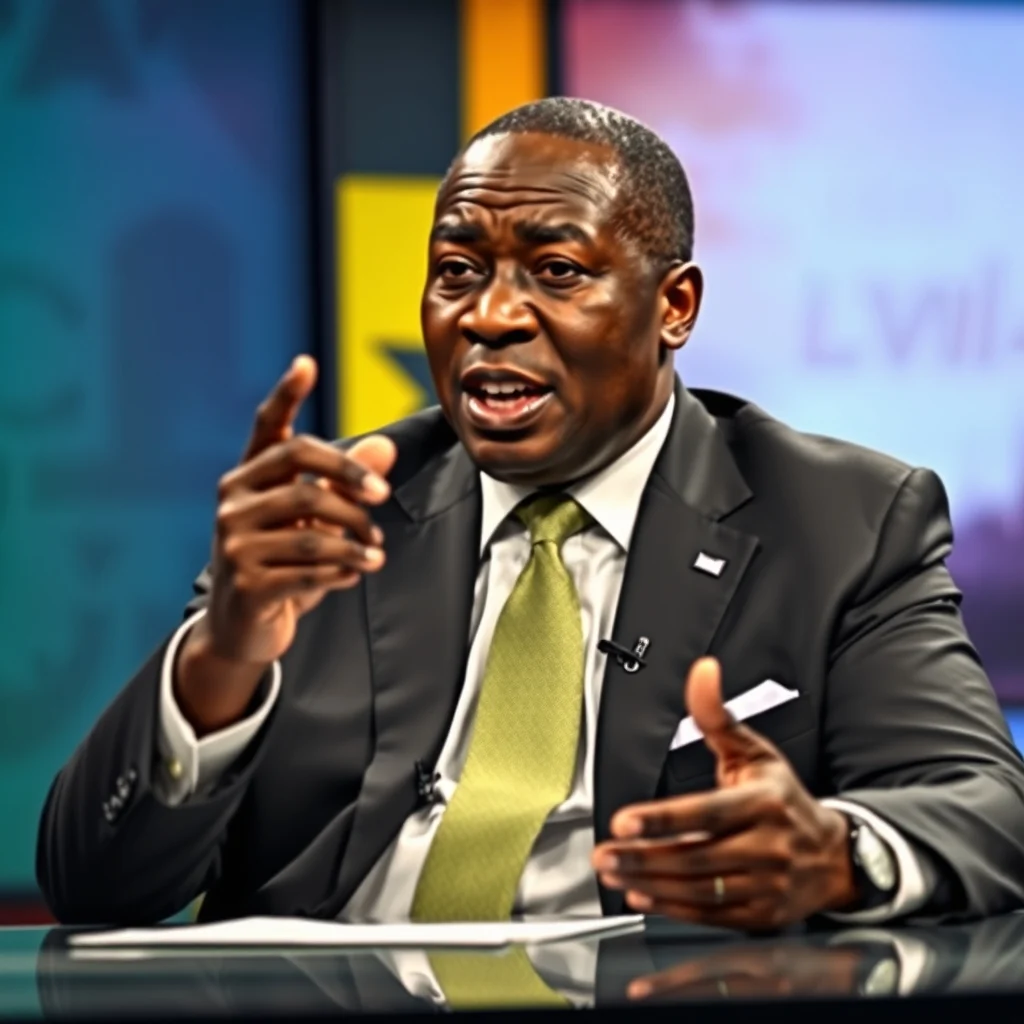
President of Groupe Ndoum, Dr. Papa Kwesi Ndoum, has alleged that the Ghanaian government owes Groupe Ndoum’s financial institutions GH¢300 million in unpaid Interim Payment Certificates (IPCs). He stated on JoyNews’ Newsfile that this significant debt, stemming from terminated government contracts after a 2017 review by the New Patriotic Party (NPP) administration, was a primary factor leading to the eventual collapse of GN Bank.
Background of Contract Reviews and Financing
Before 2017, GN Bank had a history of successfully financing numerous government infrastructure projects. The bank diligently selected and financed approximately GH¢10 billion worth of contracts over a seven-year period.
Following the change in government in 2017, the NPP administration initiated a review of various government contracts. Dr. Ndoum indicated that while this review did not uncover any fraudulent activities related to the financed projects, a substantial number of contracts were subsequently terminated.
Unpaid Certificates and Financial Strain
The termination of these contracts left contractors and their financiers, including GN Bank, with significant outstanding payments in the form of Interim Payment Certificates (IPCs). Dr. Ndoum claimed that the total amount owed in unpaid IPCs alone reached over GH¢300 million.
“It is not a secret that in 2017 a lot of contracts were put on hold for the government to review and conduct whatever investigations they wanted to conduct, and that had a significant impact not only on the contractors but also on the entities financing them,” Dr. Ndoum stated during the interview.
He emphasized that typically, after such reviews, payments are processed. However, in this instance, despite the contracts being cleared of wrongdoing, the payments were withheld. “We had over GH¢300 million in unpaid IPCs alone,” he asserted.
Impact on GN Bank’s Operations
Dr. Ndoum directly linked these unpaid debts to the financial difficulties that plagued GN Bank. He argued that if the GH¢300 million in IPCs had been settled, the bank would not have faced its subsequent challenges, including its reclassification from a universal bank to a savings and loans company.
Ultimately, these financial pressures contributed to the revocation of GN Bank’s operating licence. The president of Groupe Ndoum maintains that the government continues to owe these outstanding amounts, which played a critical role in destabilizing the bank and other related businesses within the Groupe Ndoum conglomerate.
Legal Victory and Ongoing Dispute
Dr. Ndoum’s allegations come in the wake of a recent legal victory for Groupe Ndoum concerning the revocation of GN Savings and Loans’ licence. This recent court decision may provide a new context for the ongoing discussions around the financial claims against the government.
The core of the dispute remains the alleged failure of the government to settle substantial payments for completed work, which Dr. Ndoum contends directly impacted the liquidity and solvency of GN Bank, leading to its eventual downfall.
Future Implications and What to Watch
The revelation of the GH¢300 million debt claim adds a significant new dimension to the narrative surrounding the collapse of GN Bank. It shifts focus towards government accountability for contract payments and their ripple effects on the financial sector.
Moving forward, stakeholders will be watching closely to see if the government will acknowledge or address these claims of outstanding IPC payments. The outcome of any further legal or political engagement on this matter could set precedents for how government contract disputes are handled and their impact on financial institutions in Ghana.










Leave a Reply