

Across Ghana, prime-time television and radio airwaves are dominated by passionate, in-depth analyses of football, featuring panelists who dissect tactics, player performance, and transfer strategies with remarkable intellectual rigor. This intense focus on the sport, while entertaining, prompts a critical question: why does this same level of national attention, intellectual energy, and public discourse not extend to crucial areas like entrepreneurship, industrialization, and national development?
The Stark Contrast in National Priorities
While citizens can expertly debate the weaknesses in a football team’s midfield or explain complex pressing structures, there’s a noticeable deficit in public understanding and discussion surrounding the nation’s economic engines. Imagine national conversations delving into the reasons behind a local factory’s success or failure, or passionately debating the merits of different irrigation systems, export strategies, or manufacturing policies.
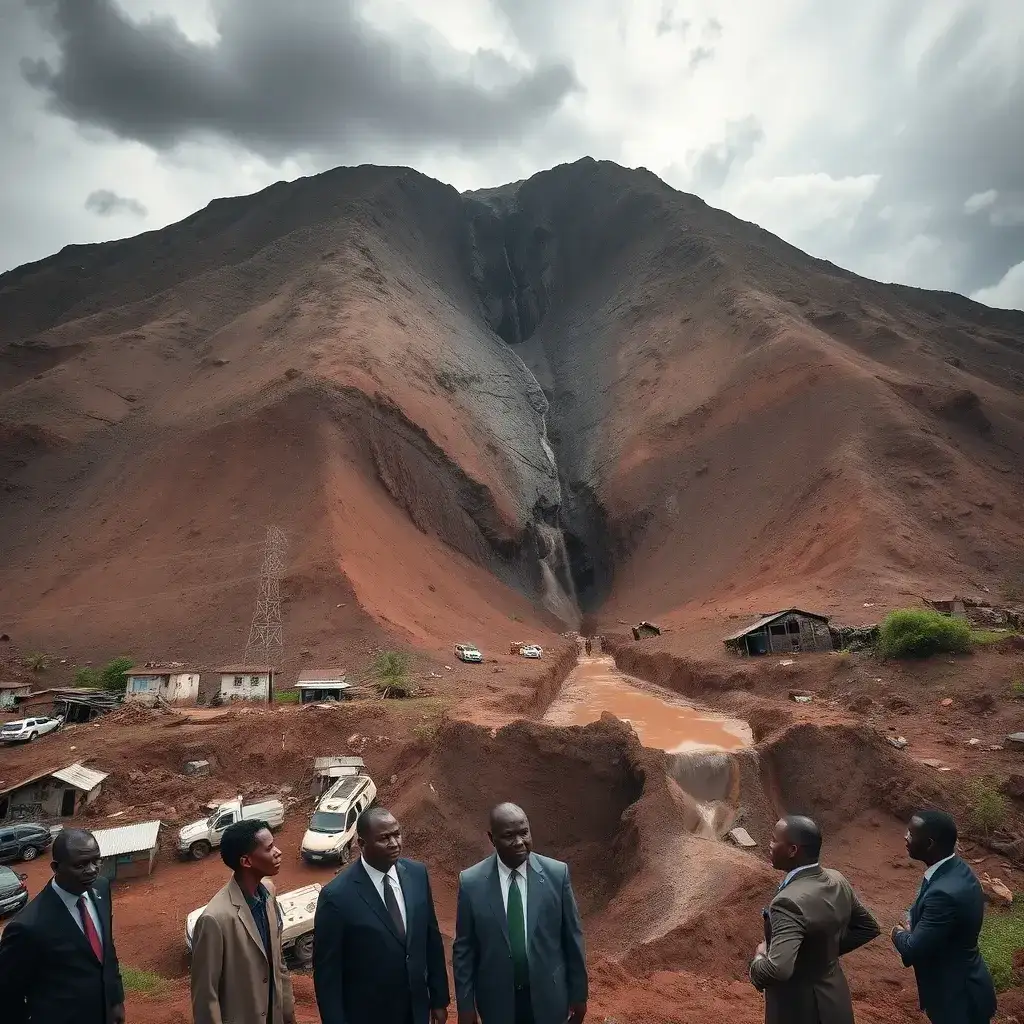
The article highlights a jarring disconnect: how can a nation tolerate the severely degraded state of roads within industrial enclaves, roads critical for job creation and tax generation, while simultaneously prioritizing and rapidly mobilizing resources for aesthetically pleasing roads in affluent residential areas? This disparity, where functional infrastructure for economic activity is neglected in favor of cosmetic improvements elsewhere, should be a dominant national conversation.
The Economic Toll of Neglected Infrastructure
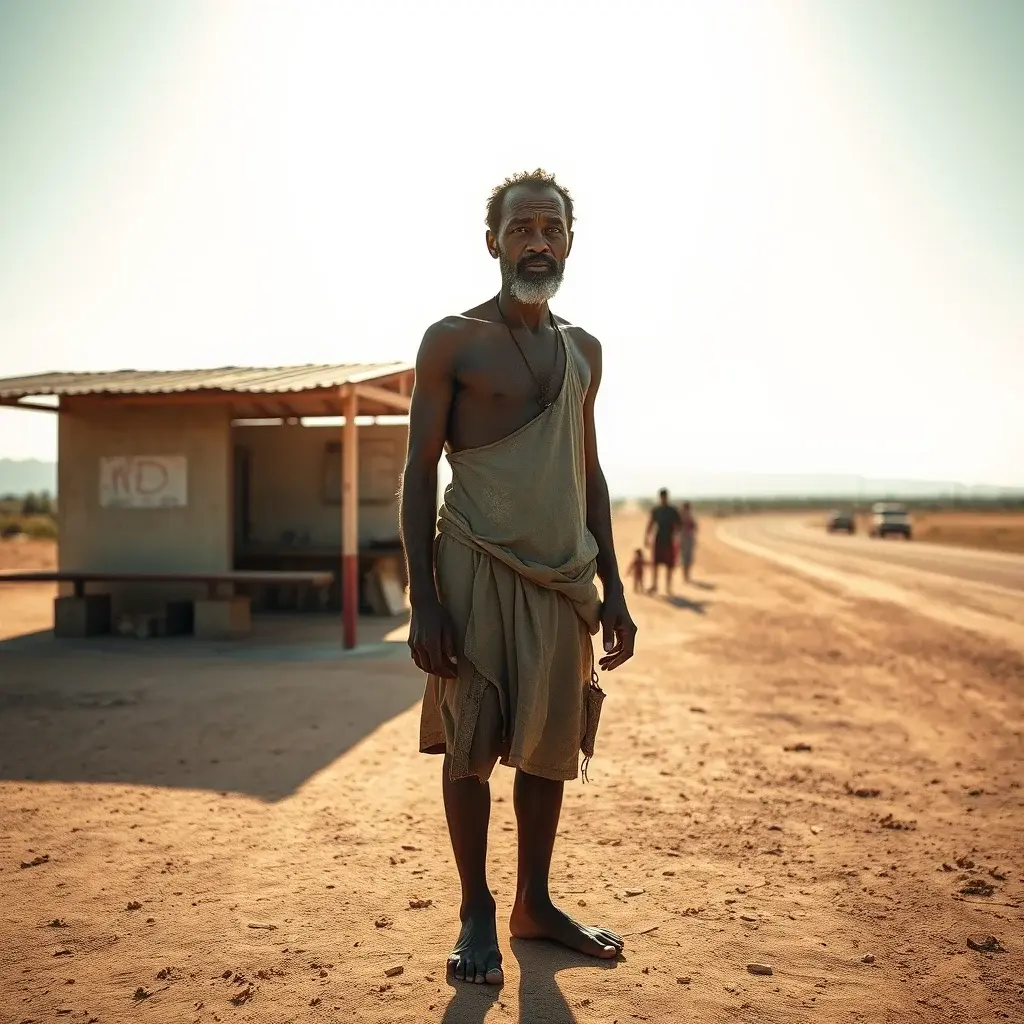
The consequences of poor industrial infrastructure are far-reaching and economically damaging. Each pothole and flood-prone area around factories and warehouses directly increases transportation costs, leads to vehicle damage, causes production delays, discourages investment, and ultimately weakens national competitiveness. This is not a mere inconvenience; it represents a significant economic tax on productivity and national growth.
The author posits that a nation’s dominant conversations directly shape its capabilities. When intellectual energy is overwhelmingly channeled into sports analysis, it leaves less room for the critical examination and problem-solving required for economic transformation. The stark example is drawn between understanding global football dynamics and comprehending how Ghana largely exports raw cocoa beans while other nations build billion-dollar chocolate industries.
Shifting the National Discourse
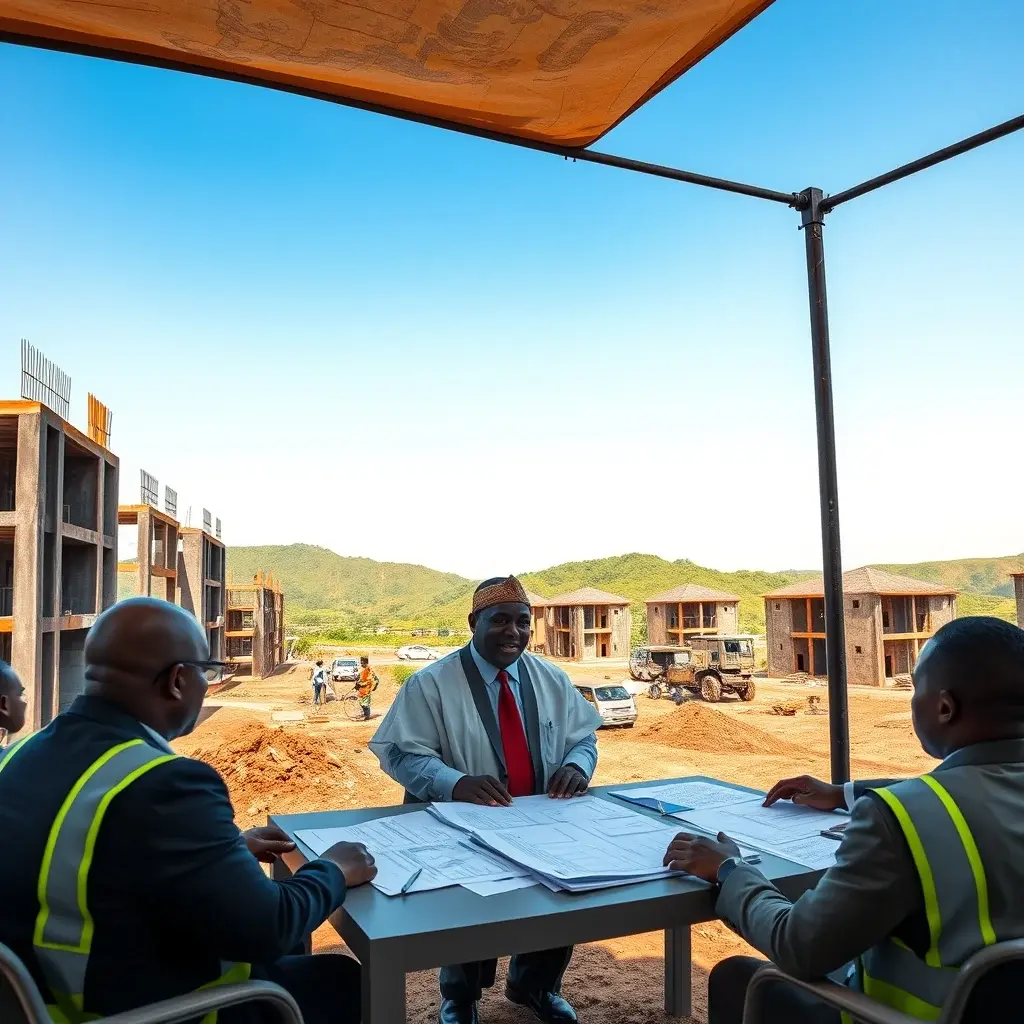
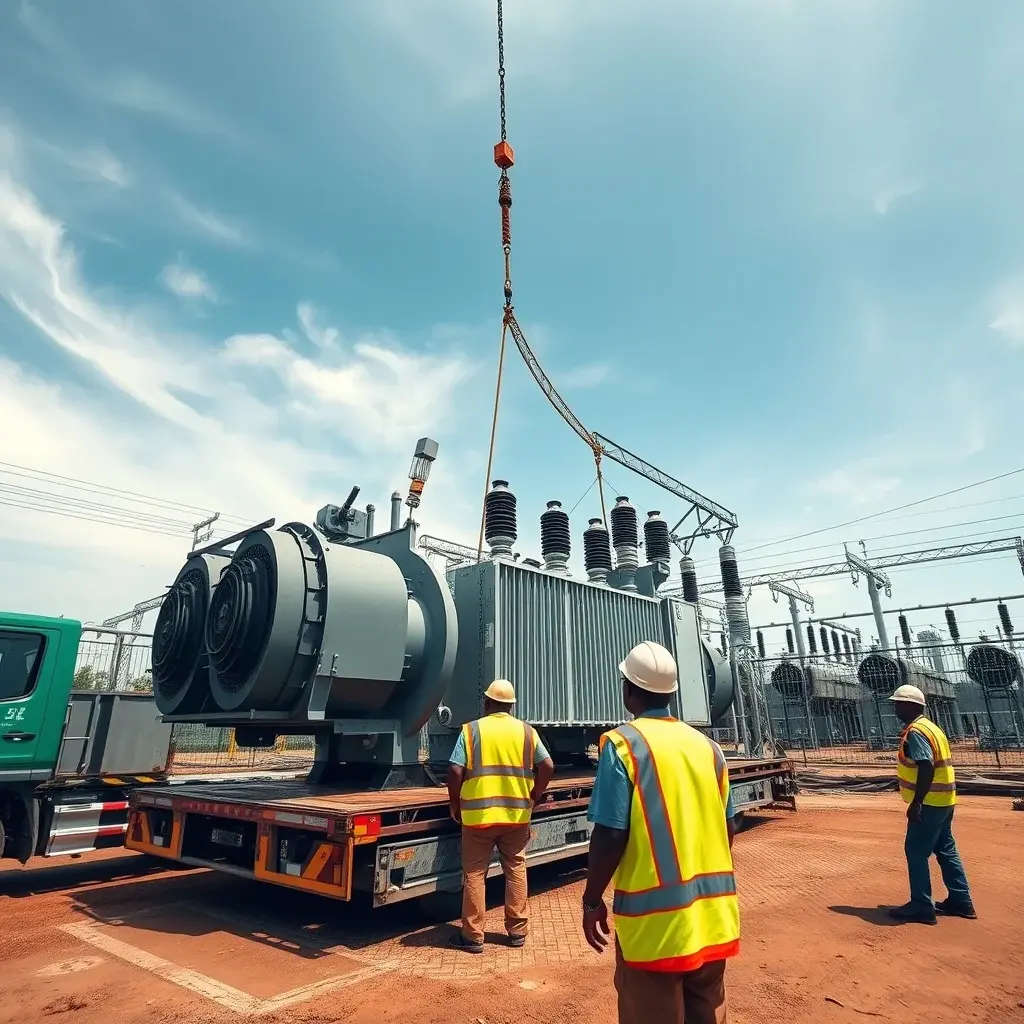
Football and entertainment undeniably hold value and contribute to national life. However, genuine prosperity is achieved when societies cultivate an intellectual obsession with production, systems, innovation, and practical problem-solving. The ultimate goal, as the article suggests, is a nation characterized by thriving businesses, meaningful employment, efficient infrastructure, and financially secure citizens—a state far more impactful than one where immense intellectual capital is spent on sports while economic development remains a peripheral topic.
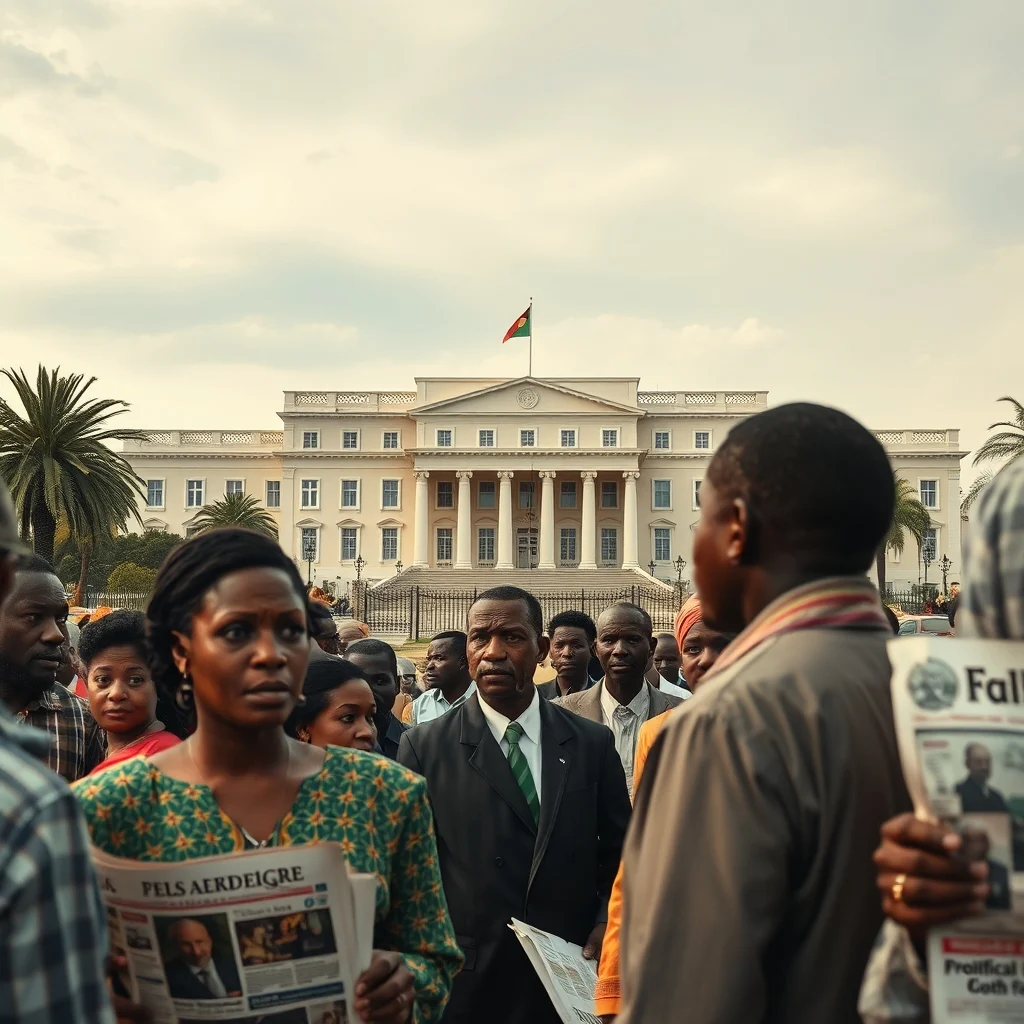
Public excitement, when not matched by broad economic progress, can become a form of emotional entertainment that masks underlying structural decline. To counteract this, entrepreneurship and national development initiatives need to command the same level of attention, respect, and public excitement typically reserved for sporting events.
Elevating Economic Expertise
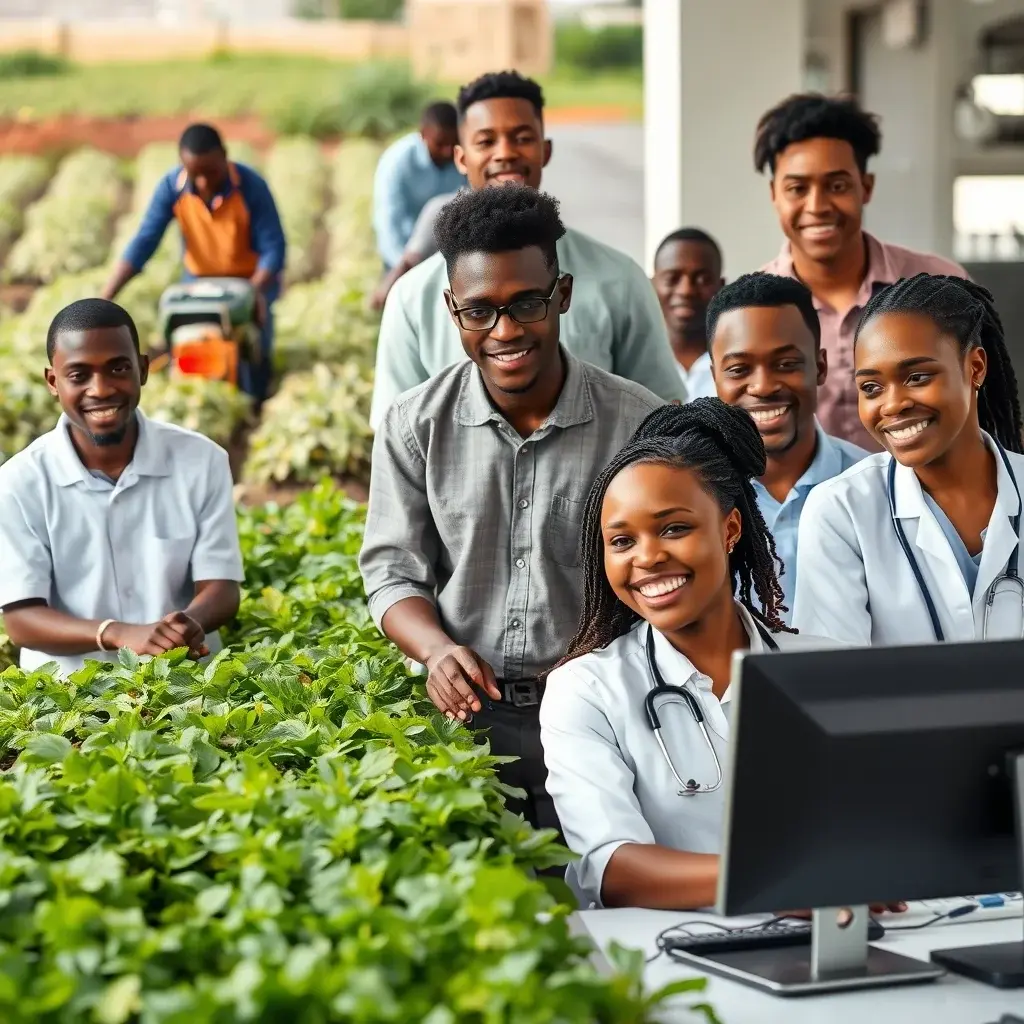
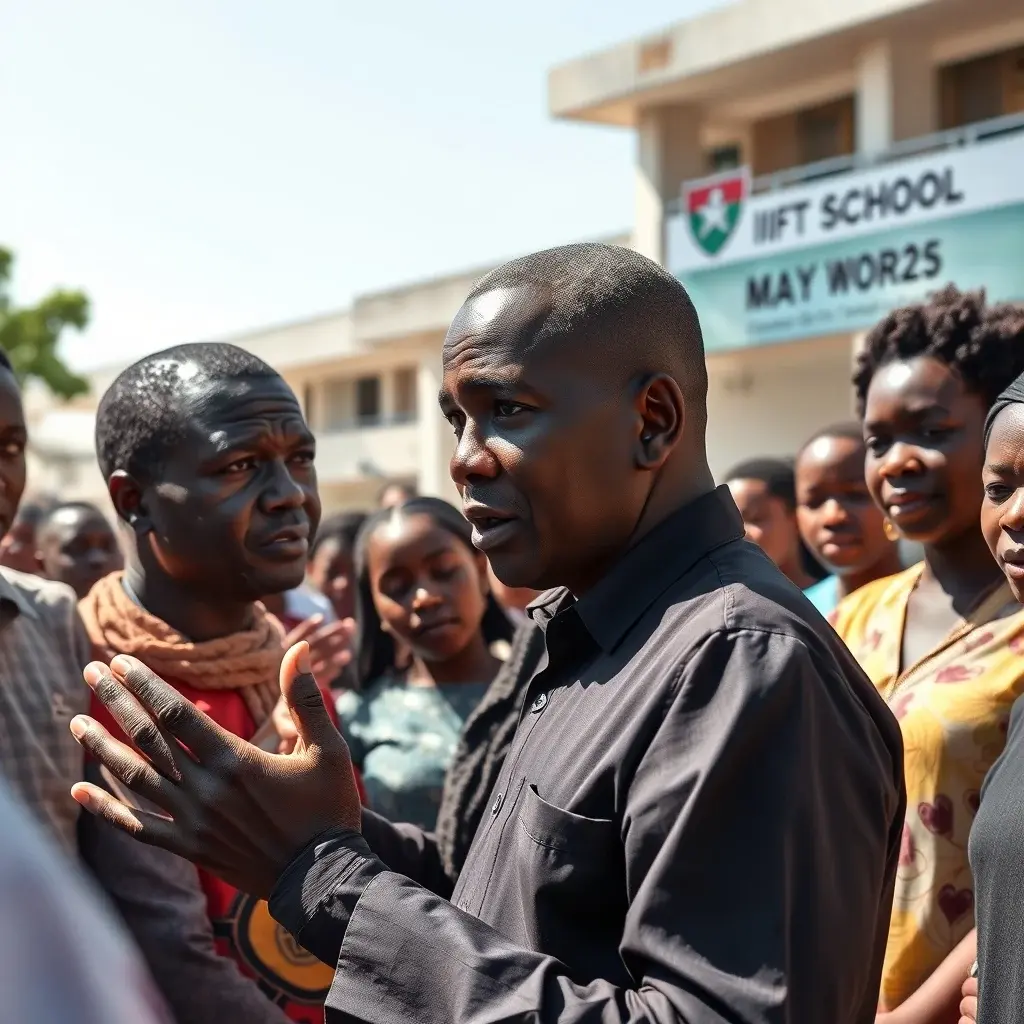
The article calls for industrial experts, economists, engineers, and business leaders to achieve the same level of public recognition and influence as star sports pundits. Furthermore, economic and business literacy must permeate beyond academic institutions and corporate boardrooms to become a part of everyday conversations—in street discussions, taxi rides, radio programs, and youth culture.
The fundamental argument is that while football trophies offer seasonal elation, economic transformation yields benefits that change lives for generations. The ultimate measure of national maturity, the article concludes, may lie in a society’s capacity to celebrate its builders and innovators with the same passion it reserves for its scorers.
Looking Ahead
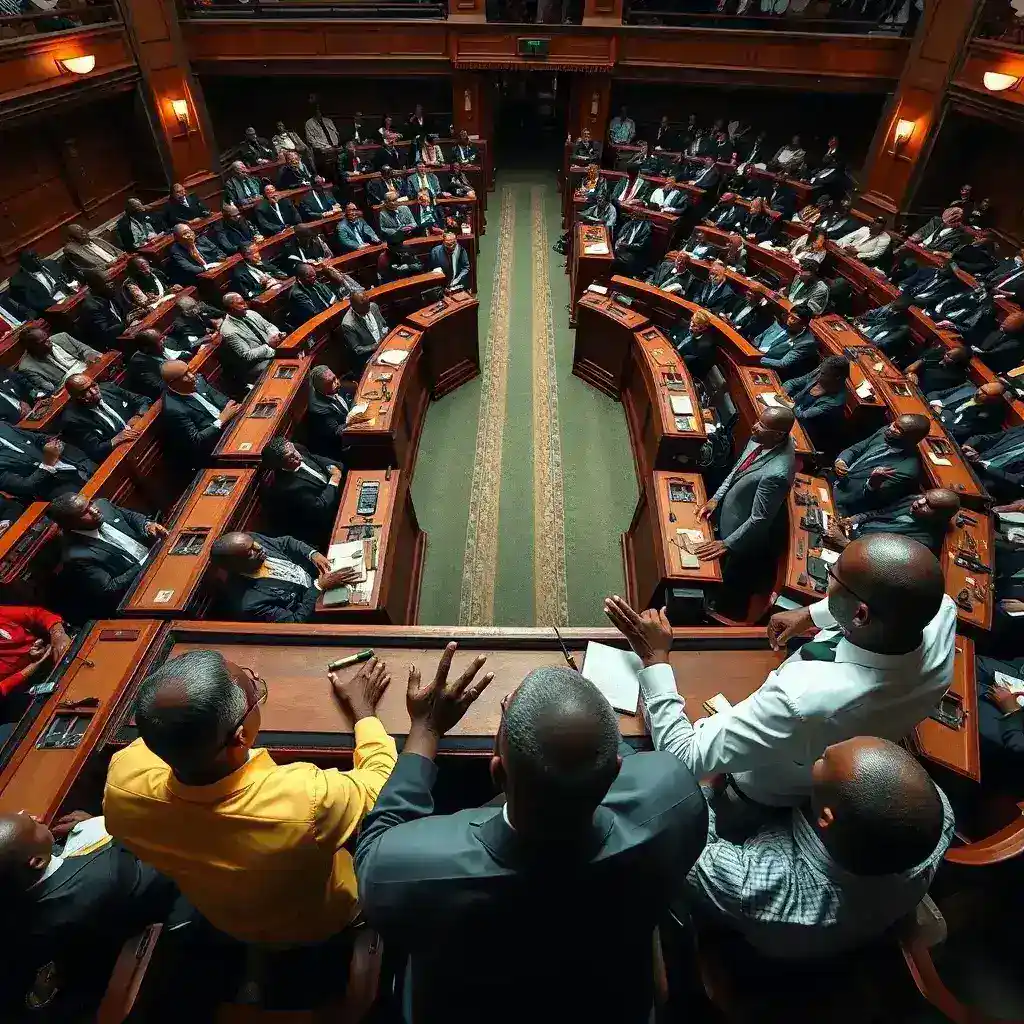
The challenge for Ghana and similar economies lies in consciously redirecting public and intellectual focus towards the drivers of sustainable growth. Future developments to watch will include any shifts in media coverage, educational curricula, and public policy that aim to elevate the discourse around industrialization and economic development. The success of these efforts will determine whether national passion translates into lasting prosperity, creating a generation that not only understands the game but also builds the industries that secure their future.


Leave a Reply