

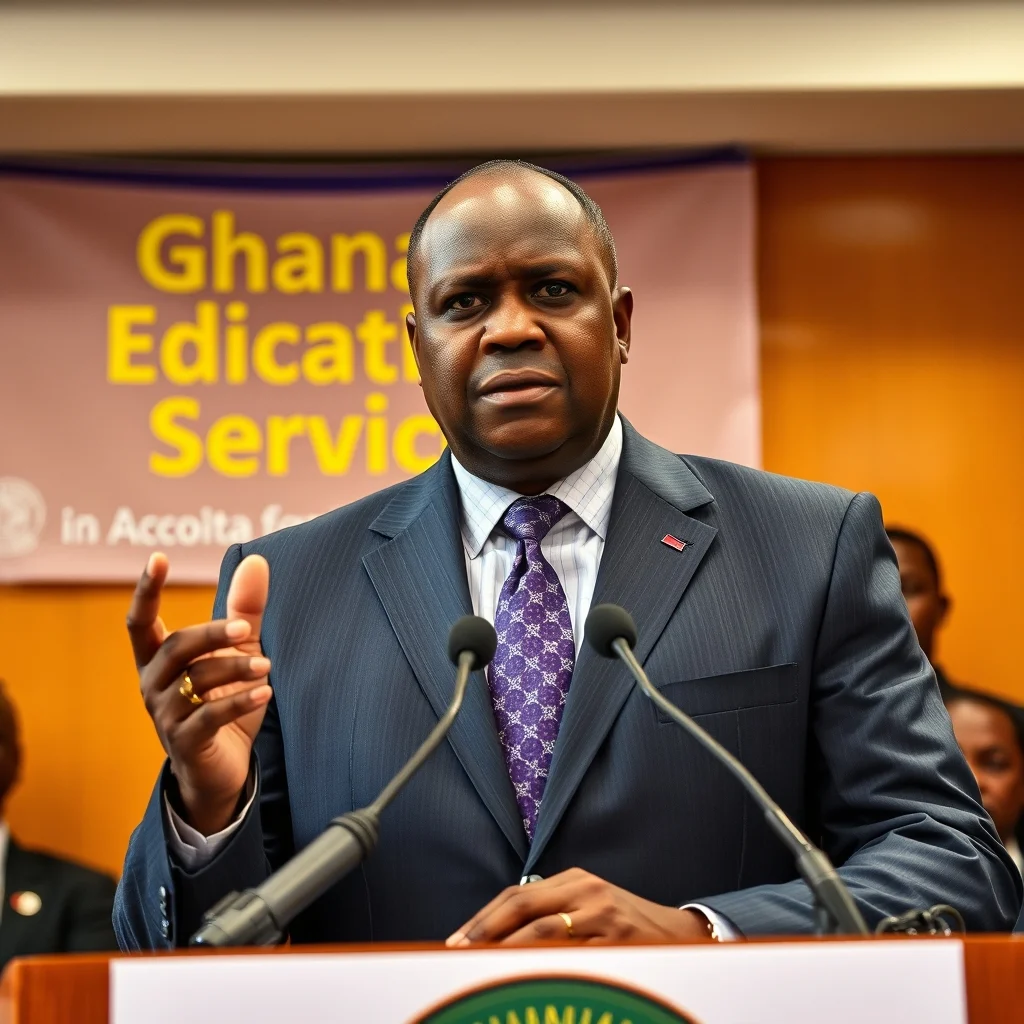
Accra, Ghana – May 1, 2026 – President John Mahama announced today a strategic pivot in Ghana’s economic policy, transitioning from a primary focus on stabilization to an aggressive pursuit of job creation, economic growth, and improved citizen livelihoods. This shift, dubbed the “Resetting Ghana” agenda, aims to leverage recent macroeconomic gains into tangible opportunities for the nation’s workforce.
From Stabilization to Opportunity
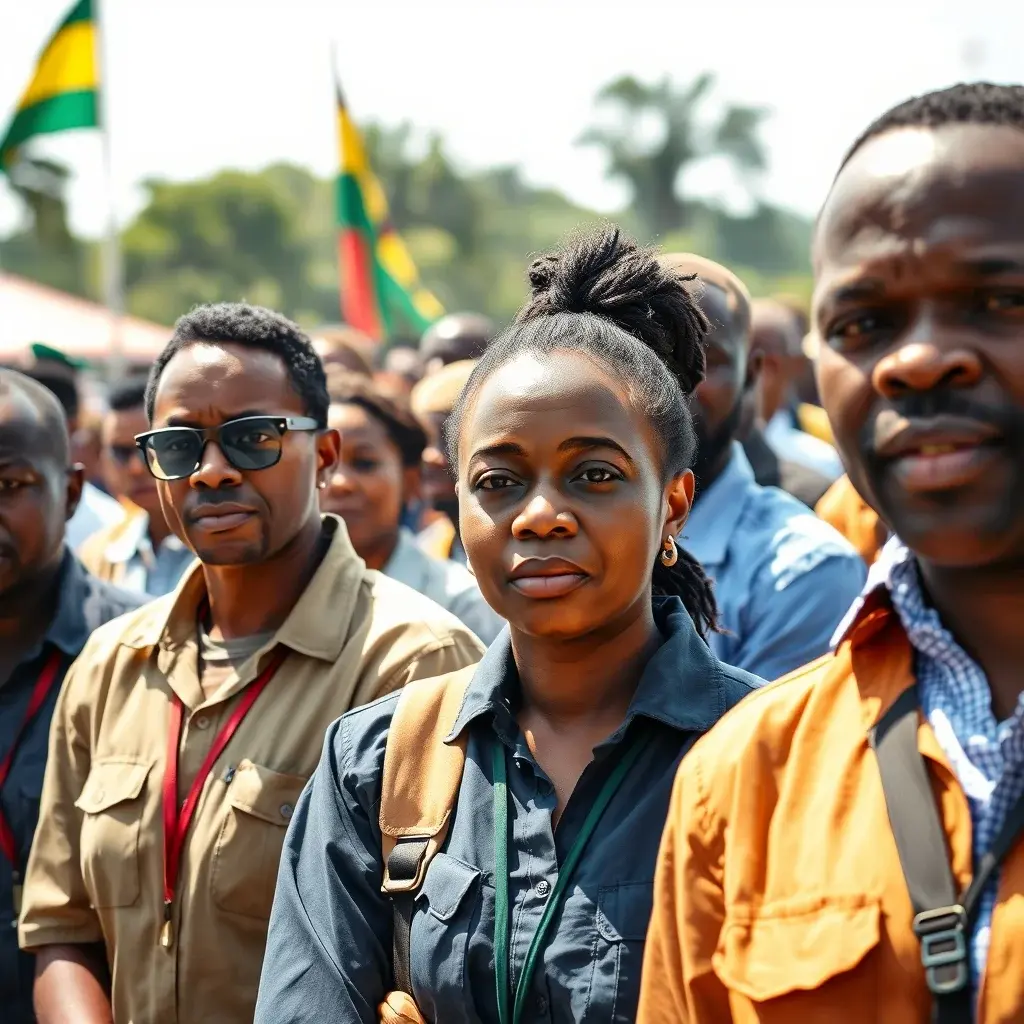
Speaking at the 2026 May Day celebrations in Koforidua, President Mahama declared that the current phase of economic management is designed to translate the hard-won stability into concrete benefits for Ghanaians. The theme of this year’s May Day directly reflects the administration’s new roadmap, he stated.
When the current administration assumed office, the immediate priority was to address critical economic challenges. These included curbing high inflation, arresting currency depreciation, lowering elevated interest rates, and rectifying significant fiscal imbalances. President Mahama described this initial phase as an urgent need to “stop the bleeding” and restore foundational economic health.
Progress and the Foundation Laid
The President reported significant progress in these stabilization efforts. Key economic indicators such as inflation, interest rates, and fiscal discipline have shown marked improvement. The national currency, the cedi, has stabilized, and investor confidence has been renewed, according to official statements.
These achievements, though described as modest, are viewed as a crucial turning point. They represent a transition from economic recovery towards building a more transformed and resilient economy. President Mahama emphasized that this stability is not an end in itself but a necessary foundation for future prosperity.
Building the House on Stable Ground
“Macroeconomic stability is desirable, but it is not an end in itself. Stability is the foundation, but it is not the house,” President Mahama articulated. The “Resetting Ghana” agenda now focuses on constructing this house, moving the nation from merely surviving to actively thriving.
The government’s strategy will now aggressively pursue policies aimed at expanding the economy and generating employment. A particular emphasis will be placed on creating opportunities for the nation’s youth. The administration intends to prioritize investments in sectors that offer value addition and foster the growth of the digital economy.
Empowering Workers for a Better Future
The ultimate goal of this economic reset is to ensure that Ghanaian workers are not only employed but also empowered. The mission, as stated by the President, is to transform economic stability into tangible opportunities that lead to a better life for individuals and their families.
Implications and Future Watch
This strategic shift signals a new era for Ghana’s economic development, moving beyond crisis management to proactive growth. The success of the “Resetting Ghana” agenda will likely hinge on the government’s ability to effectively implement policies that stimulate investment, foster innovation, and create sustainable jobs. Key areas to watch will include the specific initiatives rolled out to boost value addition, the expansion of digital infrastructure and skills training, and measures to ensure that economic growth translates into improved living standards across the population. The coming months will reveal the concrete steps taken to build upon the established economic foundation and achieve the administration’s ambitious goals for job creation and national prosperity.








Leave a Reply