
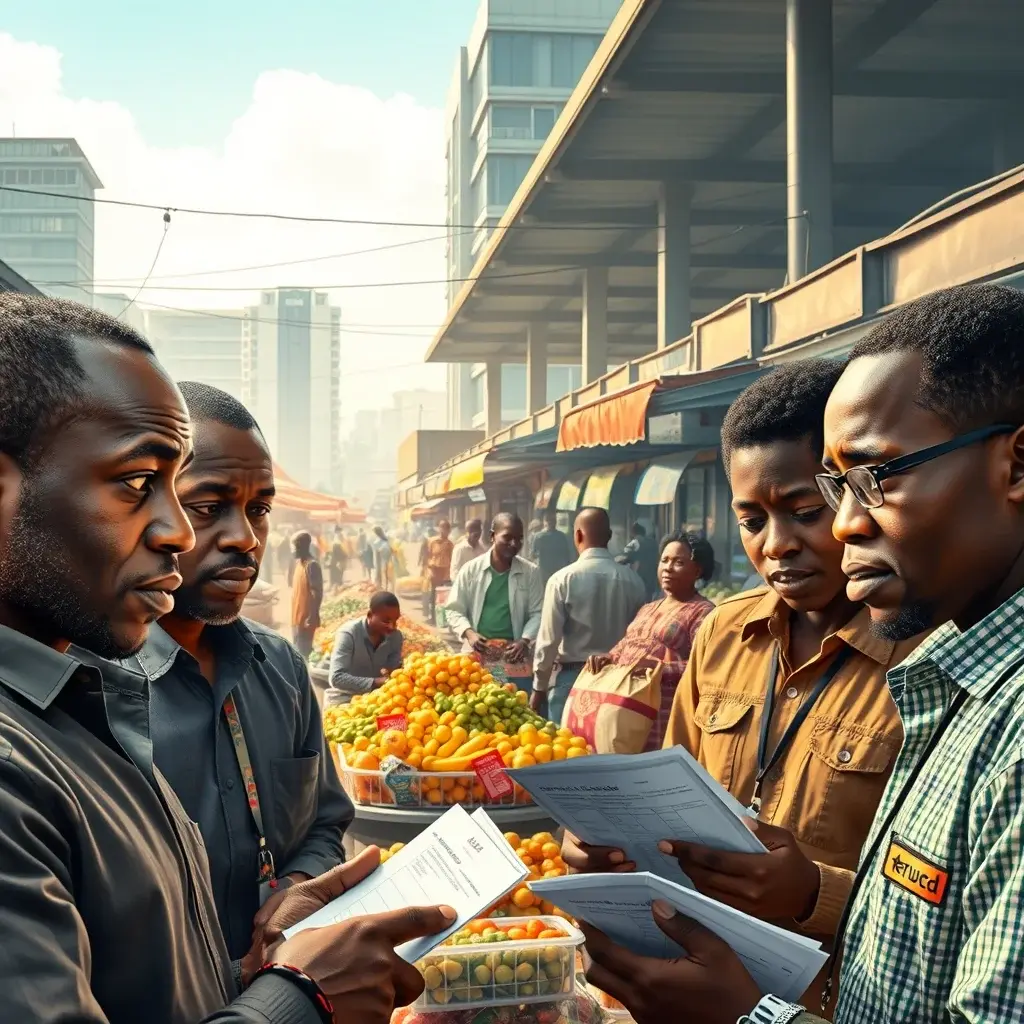
Accra, Ghana – Early successes in stabilizing Ghana’s economy are beginning to translate into benefits for businesses and consumers, though a full micro-economic impact will take more time to materialize, according to a Ministry of Finance advisor. Frederick Amissah, Technical Advisor at the Ministry of Finance, stated this during a JoyBusiness Roundtable Discussion today, themed “Mahama at 16 Months: Do Economic Narratives Match Real-Sector Outcomes?”. He emphasized that while there is a natural lag between macroeconomic improvements and their effect on daily life, the foundational stability is now being felt.
Restoring the Economic Foundation
Mr. Amissah explained that the government’s primary focus has been on restoring macroeconomic stability as the essential groundwork for a wider economic recovery. He noted that key economic indicators are now reflecting this progress.
He articulated that achieving stability is a prerequisite for positively impacting citizens, businesses, and firms. “There is no way you can impact the lives of your people—businesses, firms, individuals—without first stabilising the economy. That is what we have done, and the stability is being experienced,” Mr. Amissah stated.
Signs of Easing Pressures
While improvements in micro-level indicators such as employment are occurring gradually, Mr. Amissah highlighted a notable easing of price pressures. He specifically pointed to a significant reduction in producer price inflation as a key indicator of this shift.
The Ghana Union of Traders Association (GUTA) has also reported positive developments on the ground. According to Mr. Amissah, GUTA has indicated reductions in the prices of several goods, including fuel. Observations from market leaders and business groups further suggest that cost pressures are easing for consumers and businesses alike.
“Even though inflation remains positive, we are seeing actual reductions in prices in some areas, and that shows the impact of the stability,” he observed. He maintained that despite the time lag for full transmission, the current economic trajectory indicates that benefits are starting to reach both businesses and households.
Shifting Public and Business Expectations
The increasing economic stability is also influencing public expectations, with Ghanaians now anticipating more tangible gains from government efforts. Mr. Amissah remarked, “Ghanaians are getting used to the stability being enjoyed and are demanding more from government.”
Following a protracted period of instability and policy uncertainty, businesses are adopting a more optimistic outlook, albeit with caution. “When stability returns after such a period, businesses want to be sure it is sustainable before they expand. But we are beginning to see that confidence building,” he added.
Supporting this sentiment, Mr. Amissah cited the Bank of Ghana’s Business Sentiment Survey and recent industry feedback as evidence of improving business confidence, describing these as crucial signals of progress.
Targeted Interventions on the Horizon
Looking ahead, Mr. Amissah disclosed that the government plans to introduce targeted interventions designed to amplify the impact of macroeconomic gains on the real economy. These initiatives are intended to further ease the financial burden on businesses.
“These policies will focus on easing the burden on businesses—particularly in areas such as energy and lending rates—so that firms can feel the impact of stability and scale up their operations,” he explained. The aim is to ensure that the benefits of a stable economy directly support business growth and expansion.
Looking Ahead
While the full transmission of macroeconomic gains into micro-level improvements is acknowledged to take time, the current trends suggest a positive shift. The Ministry of Finance indicates that the stability experienced since 2025 is continuing to yield positive results in the current year. The upcoming targeted interventions are expected to accelerate this process, further bolstering businesses and households as Ghana navigates its path to sustained economic growth.








Leave a Reply