
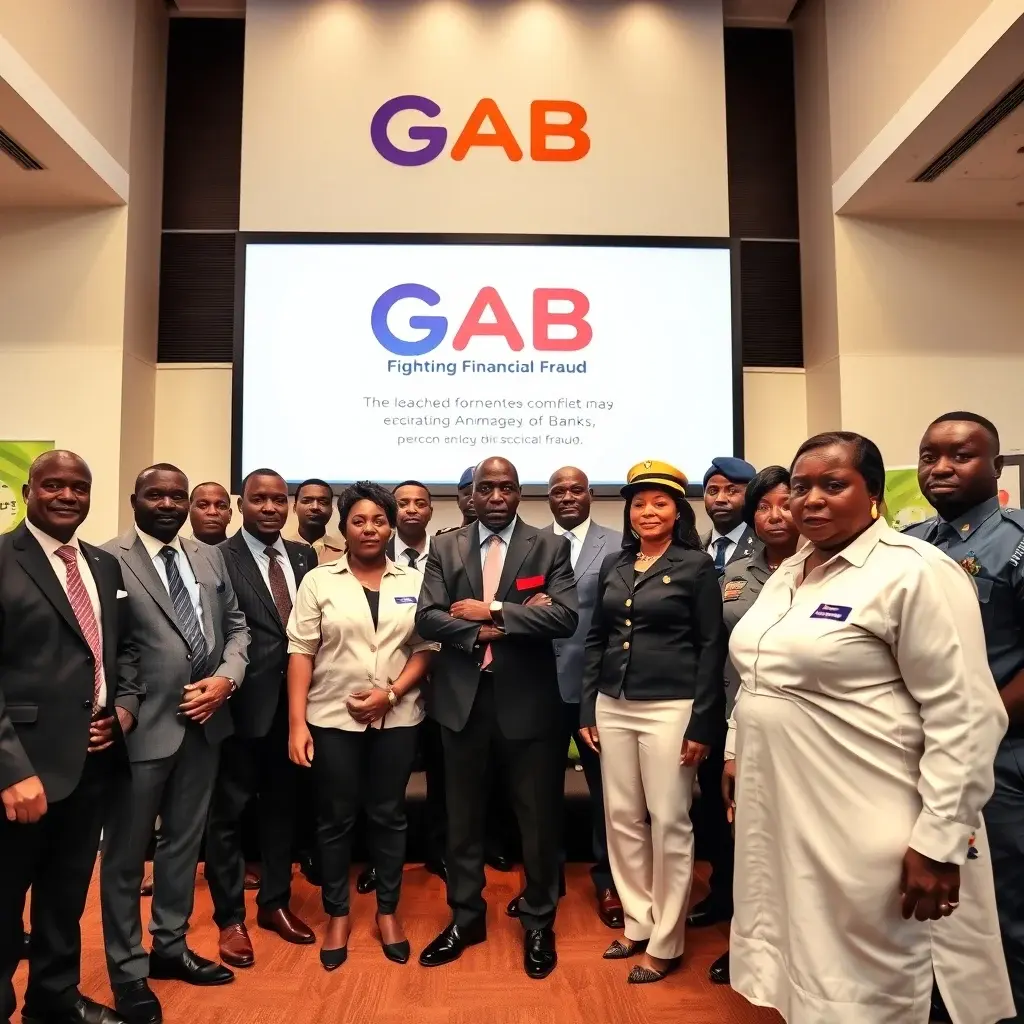
The Ghana Association of Banks (GAB) has initiated a nationwide anti-fraud campaign to safeguard customers and bolster confidence in the country’s financial sector amidst increasingly sophisticated fraudulent activities. The initiative unites banks, law enforcement, regulators, and government bodies in a concerted effort to combat financial crime through enhanced security, public education, and collaborative strategies.
Digital Advancements Fueling Fraud Risks
Kwamina Asomaning, President of GAB, highlighted that while Ghana’s banking sector has embraced digital transformation, including mobile financial services and fintech innovations, these advancements have simultaneously created new avenues for fraudsters. These criminals are rapidly adapting and exploiting vulnerabilities through deceptive tactics.
“Digital banking, mobile financial services and fintech innovation have expanded access and convenience for millions. But these same channels have opened new doors for fraudsters who adapt quickly, exploit vulnerabilities and target customers through increasingly sophisticated deception,” Asomaning stated during the campaign launch.
Beyond Financial Loss: Eroding Public Trust
Asomaning emphasized that the repercussions of fraud extend beyond mere financial losses. It poses a significant threat to public confidence in the very institutions that underpin the nation’s economy.
“The risk is not just financial loss. It is the steady erosion of public confidence in the institutions our economy depends on,” he warned.
He stressed that maintaining trust within the banking system is a shared responsibility, requiring active participation from customers, financial institutions, regulators, security agencies, and the judiciary.
“Fraud will not be allowed to undermine the trust Ghanaians place in their banks. Rebuilding trust once lost is slow and costly,” Asomaning added.
Multi-pronged Strategy for Enhanced Security
The campaign outlines several key measures banks are implementing to bolster their defenses against fraud. These include substantial investments in advanced detection and prevention systems.
Furthermore, banks are intensifying staff training to equip employees with the knowledge to identify and counter fraudulent activities. A critical component of the strategy is the heightened focus on customer education.
“Banks are investing in better controls to detect and prevent fraud. They are also investing heavily in staff training and customer education because the more informed customers become, the harder it is for fraudsters to succeed,” Asomaning explained.
The Imperative of Collaboration
Asomaning underscored the necessity of robust collaboration among all stakeholders, asserting that tackling fraud effectively cannot be achieved in isolation.
“Fraud cannot be fought in silos. It is a collective responsibility,” he stated. He confirmed that banks are strengthening partnerships with security agencies, intelligence bodies, the police, and regulators to identify and close security gaps.
This coordinated approach aims to reduce opportunities for criminals to exploit system weaknesses.
Customer Vigilance and Reporting
The nationwide anti-fraud campaign is designed to significantly elevate public awareness regarding the evolving tactics of fraudsters. It encourages customers to remain vigilant, recognize suspicious schemes, and promptly report any fraudulent activities.
The ultimate goal is to foster a safer and more secure banking environment for all Ghanaians.
Looking Ahead: The Evolving Landscape of Financial Security
The success of GAB’s anti-fraud campaign will depend on sustained commitment from all parties involved. As digital financial services continue to expand, so too will the ingenuity of fraudsters. The focus will likely shift towards continuous adaptation of security measures and proactive intelligence sharing between financial institutions and law enforcement.
The campaign’s emphasis on customer education suggests a long-term strategy to empower individuals, making them the first line of defense against financial crime. Observers will be watching to see how effectively these collaborative efforts can stay ahead of emerging threats and maintain public trust in Ghana’s dynamic financial ecosystem.










Leave a Reply