
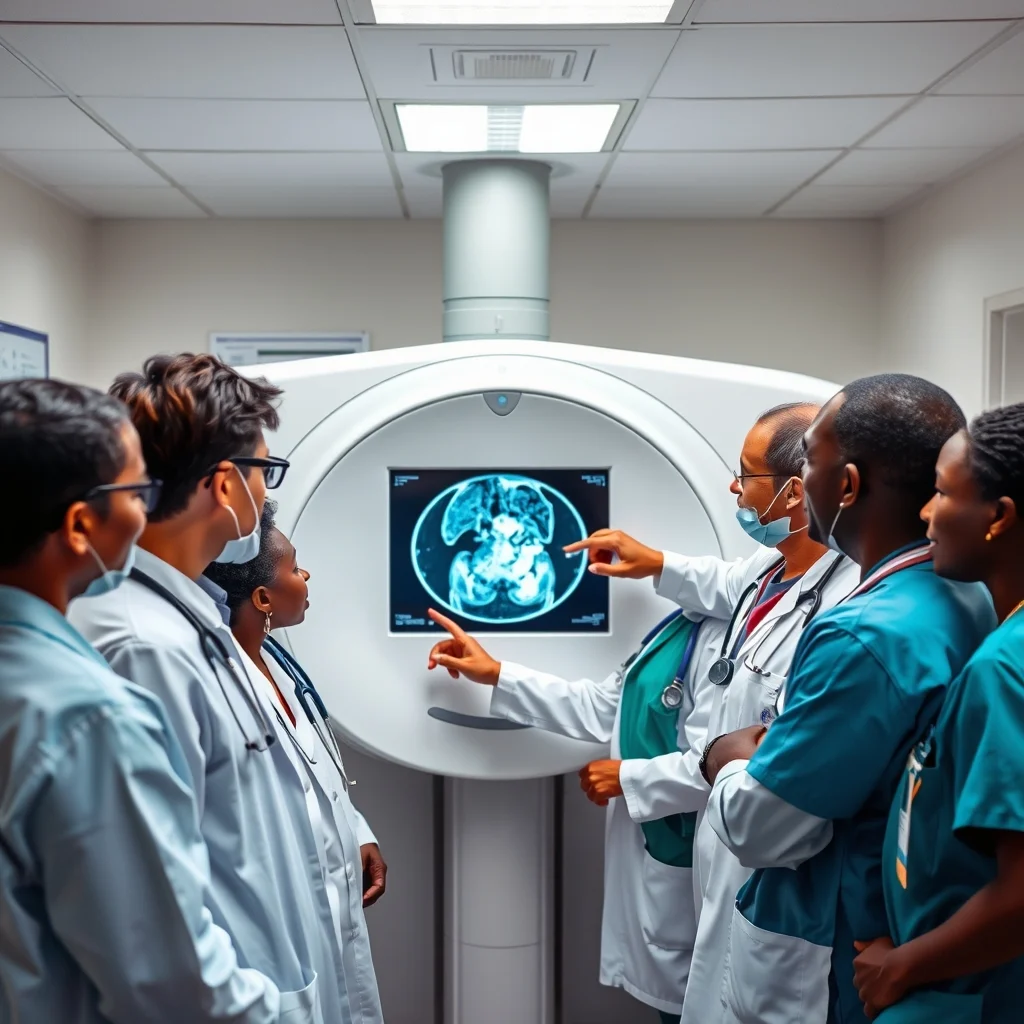
The Ghana Association of Radiologists (GAR) has issued a strong call to the government and health sector stakeholders, urging immediate investment in modern diagnostic imaging infrastructure nationwide. This plea comes as the association highlights the critical need to enhance healthcare delivery and bolster the early detection of diseases, particularly in light of a concerning rise in chronic kidney disease.
Context: The Imaging Gap and Multidisciplinary Care
Access to advanced medical imaging equipment, such as Computed Tomography (CT) scanners and Magnetic Resonance Imaging (MRI) machines, remains a significant challenge in many Ghanaian health facilities. This scarcity directly impacts the timely diagnosis and effective treatment of patients across the country. Dr. Francis Ofei, President of GAR, emphasized that for a successful multidisciplinary approach to healthcare to be realized, equipping facilities nationwide with essential imaging modalities is paramount.
Speaking at the GAR’s 14th Annual General and Scientific Meeting in Accra, themed “From Kidneys to Urethra: Imaging the Genitourinary System in the Era of Multidisciplinary Care,” Dr. Ofei noted that progress often requires starting with basic infrastructure and progressively integrating more advanced technologies. The conference itself underscored the importance of collaboration, bringing together radiologists, nephrologists, urologists, and other clinicians to discuss advancements in medical imaging and integrated patient care for genitourinary system diseases.
The Multidisciplinary Imperative
Radiologists play a crucial role by utilizing imaging technologies like ultrasound, CT, and MRI to aid physicians in disease identification and treatment guidance. However, Dr. Ofei pointed out a persistent issue in Ghana’s healthcare system: the tendency for specialists to work in isolation, a practice he termed “siloed” healthcare delivery. He advocated for a shift towards a multidisciplinary model, where radiologists, clinicians, nephrologists, and urologists collaborate closely.
This integrated approach, he explained, aims to improve patient care pathways and enhance treatment outcomes by fostering shared decision-making and comprehensive understanding of patient conditions.
Alarming Rise in Chronic Kidney Disease
A significant concern raised during the conference was the escalating burden of chronic kidney disease (CKD) in Ghana. Studies presented indicate that CKD affects approximately 14 to 16 percent of the adult population. The prevalence is notably higher in communities exposed to environmental risk factors, with a direct link drawn to illegal artisanal mining activities, commonly known as ‘galamsey’.
Dr. Ofei elaborated on how the widespread use of mercury and cyanide in galamsey pollutes water bodies with heavy metals. When ingested through contaminated water, these toxins place immense strain on the kidneys, the organs responsible for filtering waste from the body. Repeated exposure can lead to kidney failure over time.
Contributing Factors and Public Awareness
Dr. Darlarlotte Osafo, President of the Ghana Kidney Association and a nephrologist, corroborated the concerns regarding CKD. She identified hypertension, diabetes, excessive use of painkillers, unverified herbal medicines, and environmental pollution as key contributors to the rising incidence of kidney diseases.
Dr. Osafo highlighted the silent nature of kidney disease, often progressing to advanced stages before noticeable symptoms like leg swelling, fatigue, or paleness appear. This underscores the critical need for public awareness and accessible diagnostic services, especially in remote areas. She urged the public not to ignore unusual symptoms and to prioritize regular medical check-ups, including monitoring blood pressure and blood sugar levels, as uncontrolled hypertension and diabetes are primary drivers of kidney failure.
Furthermore, Dr. Osafo cautioned against the indiscriminate use of over-the-counter painkillers and unapproved herbal concoctions, warning of their potential long-term nephrotoxic effects. Patients diagnosed with kidney disease are advised to adhere strictly to medical guidance, avoid self-medication, and comply with imaging requests to help clinicians assess the extent of damage and tailor treatment effectively.
Call for Protocol Development and Professional Accountability
Both Dr. Osafo and Dr. Ofei stressed the importance of developing Ghana-specific imaging protocols for CKD and urological conditions, alongside enhanced cross-speciality training. This would standardize care and improve patient outcomes.
In a related address, Professor Agyeman Badu Akosa, Chairman of the Medical and Dental Council, urged medical practitioners to uphold professionalism, accountability, and meticulous documentation. He expressed deep concern over the increasing number of malpractice and professional misconduct cases reported against healthcare providers. Professor Akosa assured that the Council would rigorously investigate all complaints to ensure accountability within the health sector, noting a significant backlog of cases requiring attention.
Implications and Future Outlook
The call for investment in modern diagnostic infrastructure and the emphasis on multidisciplinary care signal a critical juncture for Ghana’s healthcare system. The increasing prevalence of non-communicable diseases like CKD, exacerbated by environmental factors, necessitates a proactive and integrated approach. Stakeholders will be watching closely to see if policy changes and increased funding will translate into tangible improvements in diagnostic capabilities and patient care across the nation. The focus on professional accountability also suggests a move towards greater scrutiny and a higher standard of practice within the medical community.










Leave a Reply