
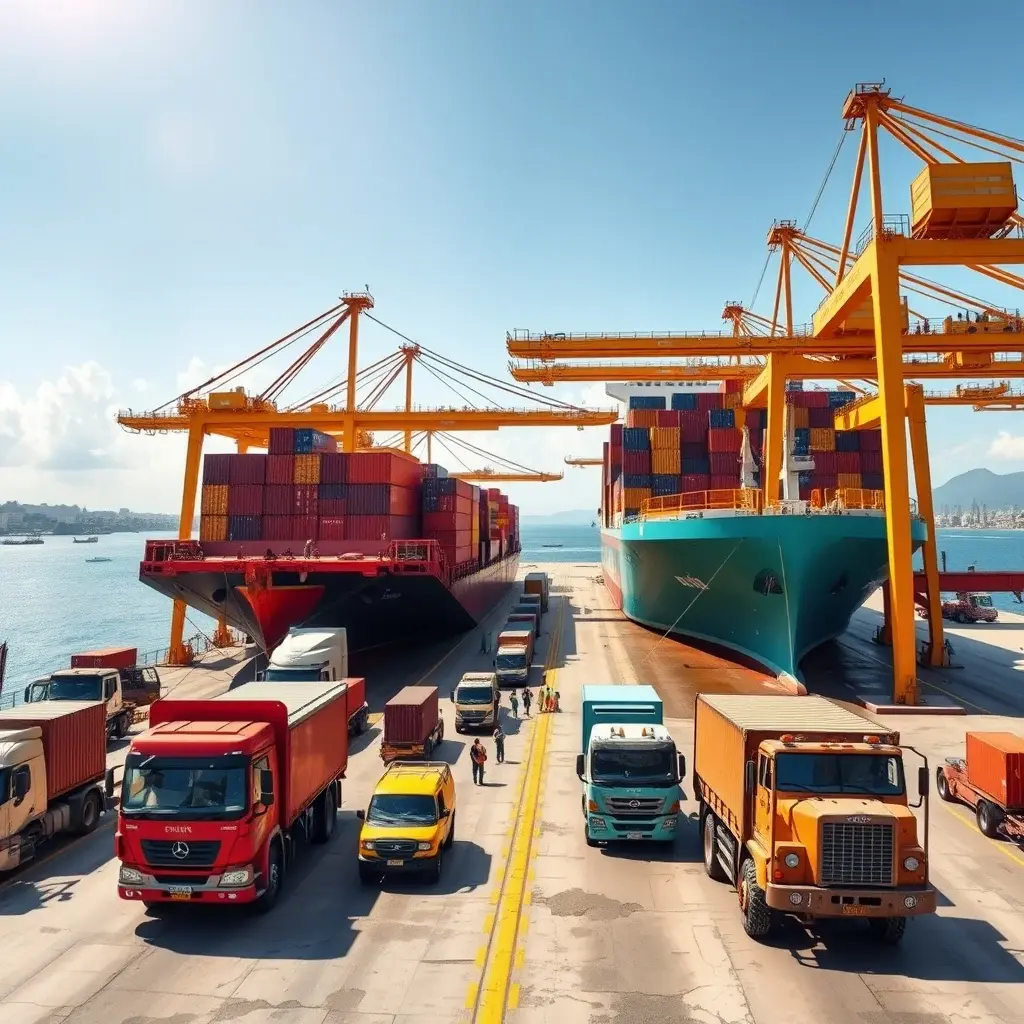
Accra, Ghana – The Centre for International Maritime Affairs, Ghana (CIMAG) has lauded the Ghanaian government’s successful completion and formal exit from the International Monetary Fund’s (IMF) Extended Credit Facility arrangement. This milestone, achieved recently, is seen by CIMAG as a crucial step toward revitalizing the nation’s economy and unlocking significant potential for its maritime industry.
Economic Stability as a Foundation
CIMAG’s Executive Director, Albert Derrick Fiatui, stated that the exit from the IMF program is not an endpoint but a foundational achievement. He believes this renewed macroeconomic stability, coupled with improved fiscal discipline and a resurgence of investor confidence, lays the groundwork for substantial economic progress.
The organization highlighted recent positive economic indicators, such as easing inflation and reduced exchange rate volatility. These developments are expected to directly benefit key players in the maritime trade ecosystem.
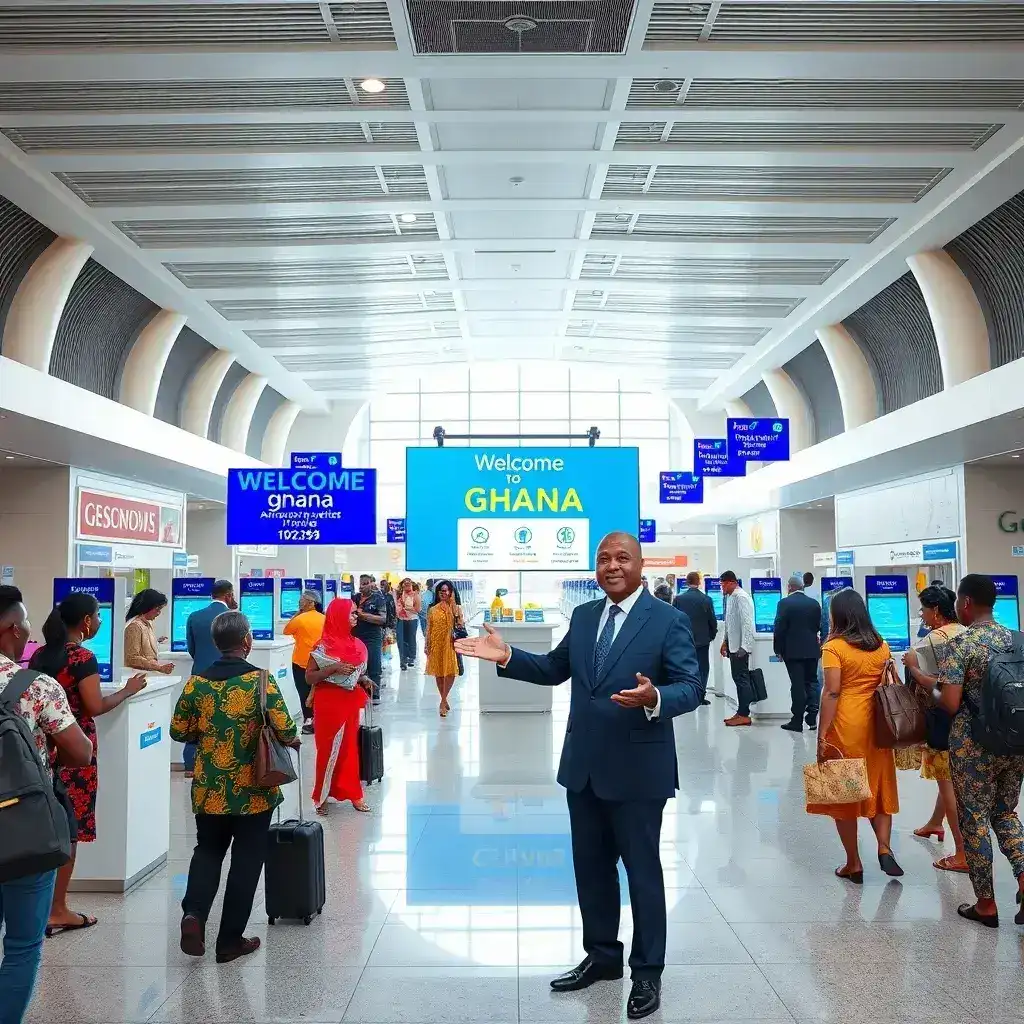
Importers, exporters, and freight forwarders are anticipated to experience lower operational costs and greater predictability in their pricing and contracting. This enhanced stability is crucial for Ghana’s ambition to solidify its position as a primary trade gateway within the West African sub-region.
Maritime Sector Opportunities
CIMAG predicts that the improved economic climate will spur increased investment in critical port infrastructure. Major hubs like the Tema Port and Takoradi Port are identified as key beneficiaries.
With reduced pressure from debt servicing, the government and private sector are expected to have greater fiscal space. This could translate into much-needed investments in ports, dry ports, and broader logistics infrastructure.
Such investments are vital for enhancing efficiency, specifically by reducing vessel turnaround times and lowering overall handling costs at Ghana’s ports. This aligns with the broader goal of making trade more competitive and efficient.
Boosting Private Sector Participation and Investment
A more stable economic environment is also anticipated to foster stronger private sector engagement and encourage public-private partnerships. Sectors including shipping, warehousing, and port services stand to gain.
CIMAG anticipates a rise in foreign direct investment (FDI) within the maritime logistics and related service industries. This influx of capital is a direct result of the growing confidence in Ghana’s economic outlook.
Furthermore, lower borrowing costs and an improved credit rating are expected to significantly support businesses operating within the port and logistics sector. This will enable them to access crucial financing for expansion and modernization.
Shipping lines, logistics firms, and small and medium-sized enterprises (SMEs) involved in the port ecosystem will be better positioned to secure funds for fleet expansion, equipment upgrades, and vital digitalization initiatives.
Call for Continued Reforms
Despite the optimistic outlook, CIMAG strongly advises the government to maintain prudent fiscal management. Continued reforms within the maritime and transport sectors are deemed essential for realizing the full economic benefits of the IMF program exit.
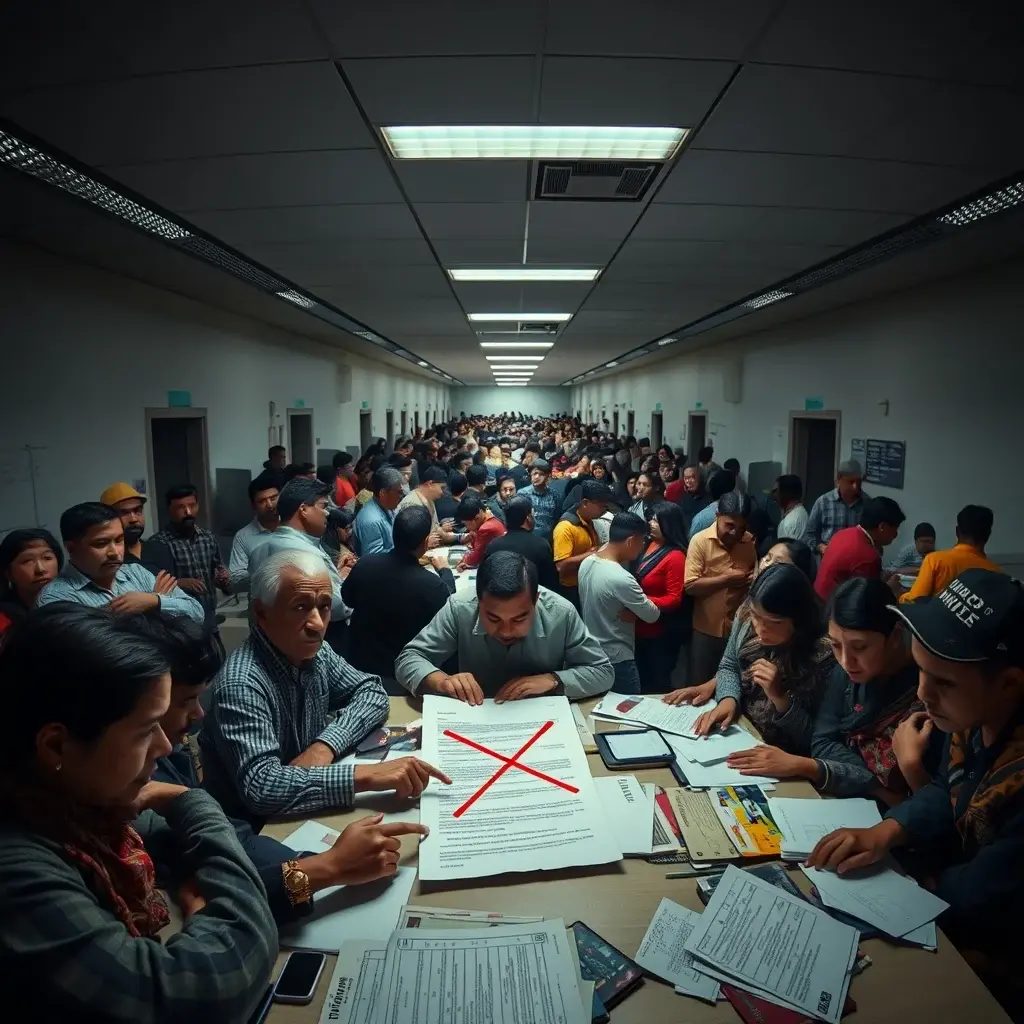
The organization identified several priority areas requiring immediate attention. These include the reduction of non-tariff barriers to trade, shortening port clearance times, and accelerating the implementation of the National Maritime Transport Policy.
CIMAG also stressed the importance of supporting local content development and deepening the digitization of port and customs processes. These measures are critical for enhancing competitiveness and ensuring inclusive growth.
Mr. Fiatui emphasized that sustained reform efforts are imperative for Ghana to capitalize fully on the economic gains achieved. CIMAG reaffirmed its dedication to supporting policy development aimed at ensuring the maritime sector significantly contributes to national growth and regional trade integration, particularly within the African Continental Free Trade Area (AfCFTA).
Looking Ahead
The successful conclusion of the IMF program presents a significant opportunity for Ghana to build on its economic recovery. Key to unlocking this potential will be the government’s commitment to ongoing structural reforms, particularly within the vital maritime and logistics sectors. The coming months will be critical in observing the pace and effectiveness of these reforms and their tangible impact on trade efficiency, job creation, and regional economic integration.






Leave a Reply