
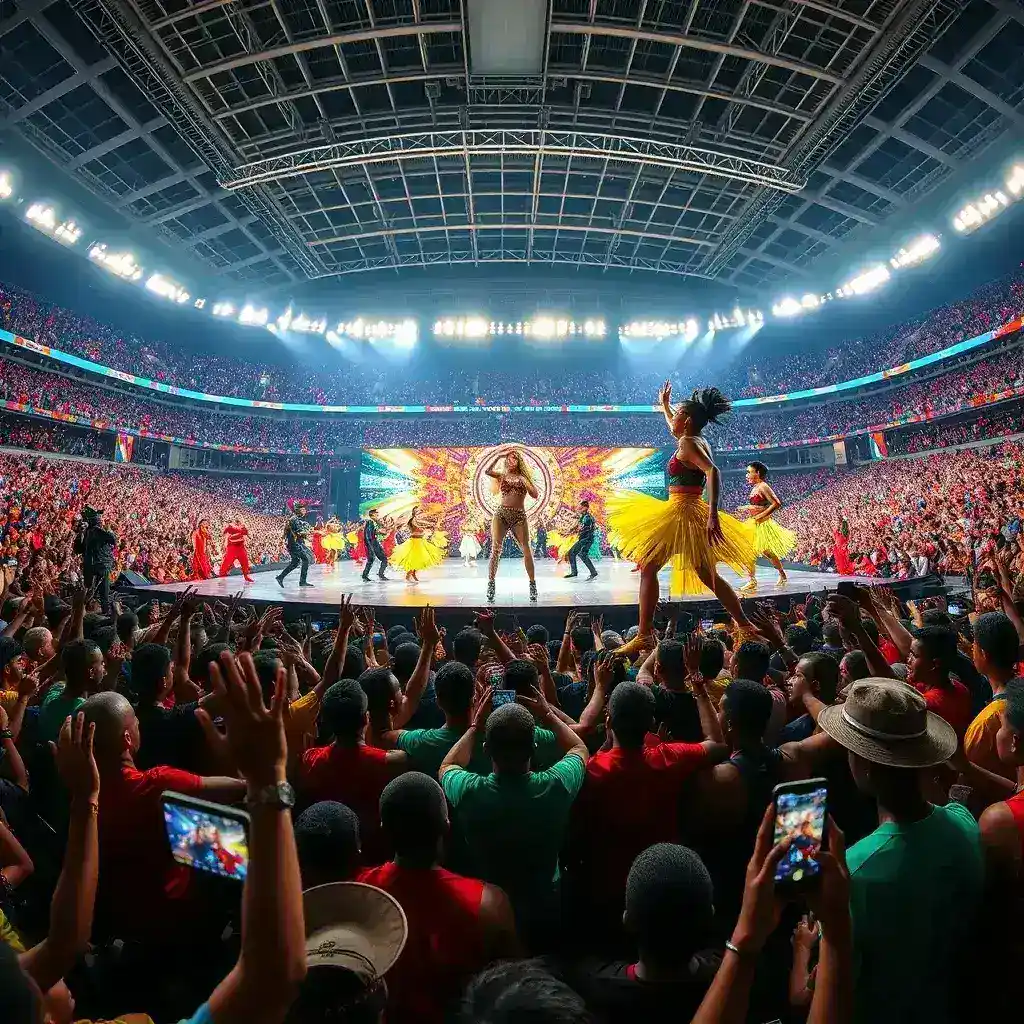
Colombian music superstar Shakira announced on Wednesday, May 20, that Uganda’s Ghetto Kids will join her on stage for the 2026 FIFA World Cup final halftime show, aiming to showcase global diversity through dance at MetLife Stadium in East Rutherford, New Jersey, on July 19, 2026.
This landmark performance marks a significant moment for African talent on one of the world’s most-watched stages, highlighting the growing influence of the continent’s creative economy in global sports entertainment.
From Kampala Slums to Global Acclaim
The Ghetto Kids, founded in 2014 by Dauda Kavuma in the Katwe slum of Kampala, Uganda, have a remarkable journey from humble beginnings to international recognition.
Their initial rise to fame came with a viral homemade dance video for Eddy Kenzo’s hit song “Sitya Loss.” This success paved the way for further global exposure, including an appearance in the music video for French Montana’s “Unforgettable.”
The young dancers are no strangers to major international platforms or the World Cup environment, having participated in entertainment activities surrounding the 2022 FIFA World Cup in Qatar.
More recently, they captured global attention by earning a Golden Buzzer and reaching the finals of the 2023 television program Britain’s Got Talent.
A Celebration of Global Dance and Music
Shakira intends for the halftime show to be a vibrant celebration of diverse dance cultures and global talents.
The performance will centre around the tournament’s official anthem, “Dai Dai,” a track that features Nigerian Afrobeats star Burna Boy and blends elements of Afrobeats, dance-pop, world music, and reggaetón.
“I’ve already invited the Ghetto Kids from Uganda,” Shakira stated in her video announcement, emphasizing her commitment to featuring international artists.
Shakira is also actively engaging the global audience, encouraging fans to create and share their own dance routines to the official anthem via social media.
“I’ve seen incredible creations for Dai Dai, the official World Cup song,” she added. “I really, really would love to see all your creations and your videos, so keep sending them because I’ll be watching very closely.”
The artist aims to make the final performance at MetLife Stadium “special” and “unforgettable” by incorporating these diverse global contributions.
Philanthropic Efforts Linked to the Anthem
Beyond the entertainment value, the tournament anthem “Dai Dai” carries a significant philanthropic purpose.
Royalties generated from the song will directly support the FIFA Global Citizen Education Fund.
This initiative aims to raise $100 million by the end of the tournament to expand access to education and soccer opportunities for underprivileged children worldwide.
African Artists Leading World Cup Festivities
The inclusion of the Ghetto Kids is part of a broader strategy to feature prominent African talent throughout the 2026 FIFA World Cup festivities.
This follows earlier announcements of other major African artists participating in the tournament’s official events.
The tournament kicks off globally on June 11, 2026, with opening ceremony festivities at SoFi Stadium in Los Angeles on June 12, 2026.
These opening ceremonies will feature performances by Nigerian singer Rema and South African breakout star Tyla.
The prominent presence of these artists in both the opening and closing ceremonies underscores the increasing influence of African entertainment within mainstream global sports culture.
Implications for the Global Creative Economy
The Ghetto Kids’ participation, alongside artists like Burna Boy, Rema, and Tyla, signifies a major validation for Africa’s multi-billion-dollar entertainment export industry.
Industry experts view this as a reflection of African youth culture dictating global digital trends and a departure from previous tournaments where African artists were often underrepresented.
For audiences across Africa, seeing a youth group from East Africa share a stage with global icons like Shakira, Madonna, and BTS elevates continental pride to unprecedented heights.
This trend signals a changing paradigm for global sports entertainment, moving beyond traditional Western acts to embrace diverse, grassroots talent.
By connecting viral choreography from Ugandan youth to a massive charitable fund, the performance bridges commercial sports entertainment with tangible social impact.
As the curtain rises in New Jersey, the global audience will witness a direct cultural pipeline from the streets of Kampala to international prominence, showcasing a new era of inclusivity and impact in global sports.










Leave a Reply