
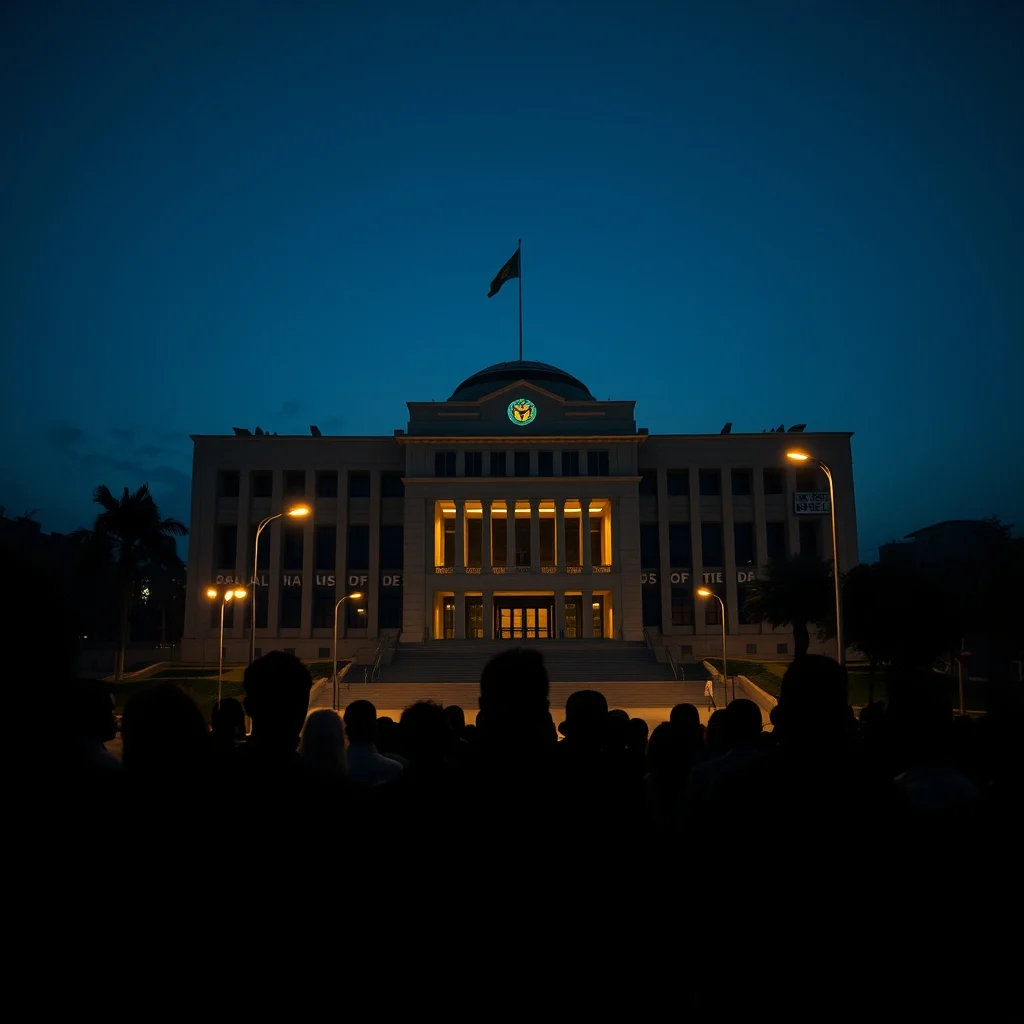
Senegal’s parliament is grappling with a leadership vacuum following the resignation of Speaker El Malick Ndiaye on Sunday. This development occurs just days after President Bassirou Diomaye Faye dismissed his former mentor and Prime Minister Ousmane Sonko, subsequently dissolving the government. The move has fueled speculation that loyalists may attempt to reinstate Sonko as speaker, potentially challenging President Faye’s authority.
Political Turmoil Follows Government Shake-up
The current political crisis stems from escalating tensions between President Faye and the now-ousted Prime Minister Sonko. Ndiaye’s resignation statement cited “deep reflection” on the “sense of statehood” and emphasized prioritizing “integrity, discernment and sense of duty” during challenging times.
Members of Parliament have been summoned for a session on Tuesday, ostensibly to facilitate Sonko’s return to the legislative body and elect a new speaker. Sonko, a prominent figure and leader of the Pastef party, was elected to parliament in 2024 but relinquished his legislative seat to serve as prime minister.
Two years ago, Sonko stated, “I am staying at the prime minister’s office. I submitted my resignation letter as a member of parliament.” With his tenure as prime minister concluded, his return to parliament is anticipated, with supporters expecting him to vie for the speaker position.
Potential Shift in Power Dynamics
Analysts suggest that if Sonko assumes the role of speaker, President Faye’s influence could be significantly curtailed. Sonko’s Pastef party commands an absolute majority in parliament, a situation that could impede Faye’s ability to implement policies and reforms.
The nation now awaits the appointment of a new prime minister. However, the process of parliamentary approval for the nominated candidate remains uncertain. Lawmakers have a window of up to three months to confirm the new premier.
Furthermore, President Faye is constitutionally barred from dissolving parliament until at least two years after the last election, meaning any attempt to prematurely end the mandates of current lawmakers before November of this year would be deemed invalid.
Sonko’s Influence and Senegal’s Future
The rift between Faye and Sonko introduces considerable uncertainty for the West African nation, which is already navigating economic challenges and has a history of political disputes. Sonko, 51, enjoys substantial popular support, particularly among the youth.
During his time as an opposition legislator, Sonko was known for his vocal opposition to the policies of former President Macky Sall, a characteristic that has also manifested in his recent challenges to President Faye. Sonko was a strong contender for the presidency in 2024 but was disqualified due to a defamation conviction.
The extent of this political separation between Faye and Sonko, and its ramifications for Senegal—a country previously lauded for its dynamic and youthful leadership—remains to be seen.
What to Watch Next
All eyes are now on Tuesday’s parliamentary session. The outcome of the vote for a new speaker and the subsequent appointment and approval of a new prime minister will be critical indicators of the stability of President Faye’s administration and the future direction of Senegalese politics. The potential return of Ousmane Sonko to a position of legislative power will be closely monitored for its impact on the executive branch’s ability to govern.










Leave a Reply