
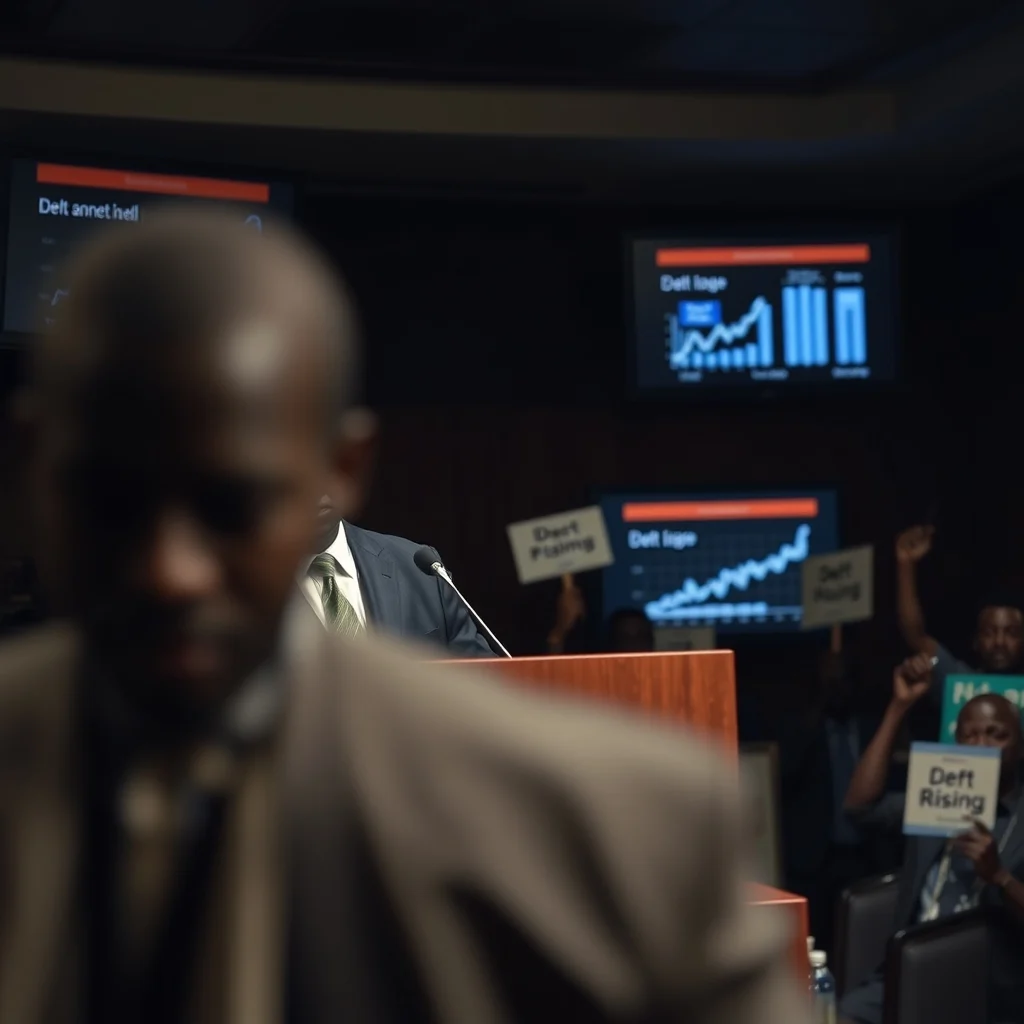
President Bassirou Diomaye Faye of Senegal abruptly dissolved his government late Friday, dismissing Prime Minister Ousmane Sonko and all ministers. This move signals a critical shift from the radical, anti-establishment populism that brought a new generation to power last year towards fiscal pragmatism, aiming to address a looming sovereign debt crisis. The executive order, announced via presidential aide Oumar Samba Ba on state television, plunges the West African nation into political uncertainty as the outgoing cabinet handles only day-to-day affairs, with no immediate successor named for the prime minister, indicating a complete recalibration of Senegal’s economic direction.
Collapse of a Powerful Political Partnership
The sweeping political shakeup follows months of simmering friction between President Faye and Prime Minister Sonko, former allies within the African Patriots of Senegal for Work, Ethics, and Fraternity (Pastef) party. Their campaign slogan, “Diomaye is Sonko, Sonko is Diomaye,” masked deep ideological and temperamental divisions beneath a unified political front.
Sonko, a charismatic opposition figure popular with Senegal’s youth, was disqualified from running for president due to a defamation conviction. He then lent his significant political influence to Faye, a lesser-known aide, who secured a decisive first-round victory with 54% of the vote.
This political ascent occurred amid widespread civil unrest against former President Macky Sall, fueled by Sall’s attempts to revise term limits and delay the 2024 election. These protests, often led by Sonko’s supporters, resulted in at least 16 deaths and hundreds of injuries.
Faye and Sonko were released from prison just 10 days before the election, riding an anti-establishment wave into office. Faye’s subsequent appointment of Sonko as prime minister was immediately flagged by critics as a potentially unstable dual-executive arrangement, creating ambiguity over who truly held governing authority.
Rising Economic Pressures and IMF Impasse
The dramatic political rupture arrives at a critical juncture for Senegal’s economy, which is burdened by significant debt inherited from the previous administration. The International Monetary Fund (IMF) froze its $1.8 billion lending program after discovering misreported financial data, revealing that the country’s end-2024 debt had ballooned to 132% of its GDP.
Faye and Sonko diverged sharply on managing this fiscal crisis. Sonko adopted a hardline stance against international financial institutions, opposing any restructuring of the nation’s estimated $13 billion sovereign debt, which he claimed the IMF advocated for. Faye, conversely, remained more reserved, suggesting a greater willingness to negotiate with lenders to avert a sovereign default.
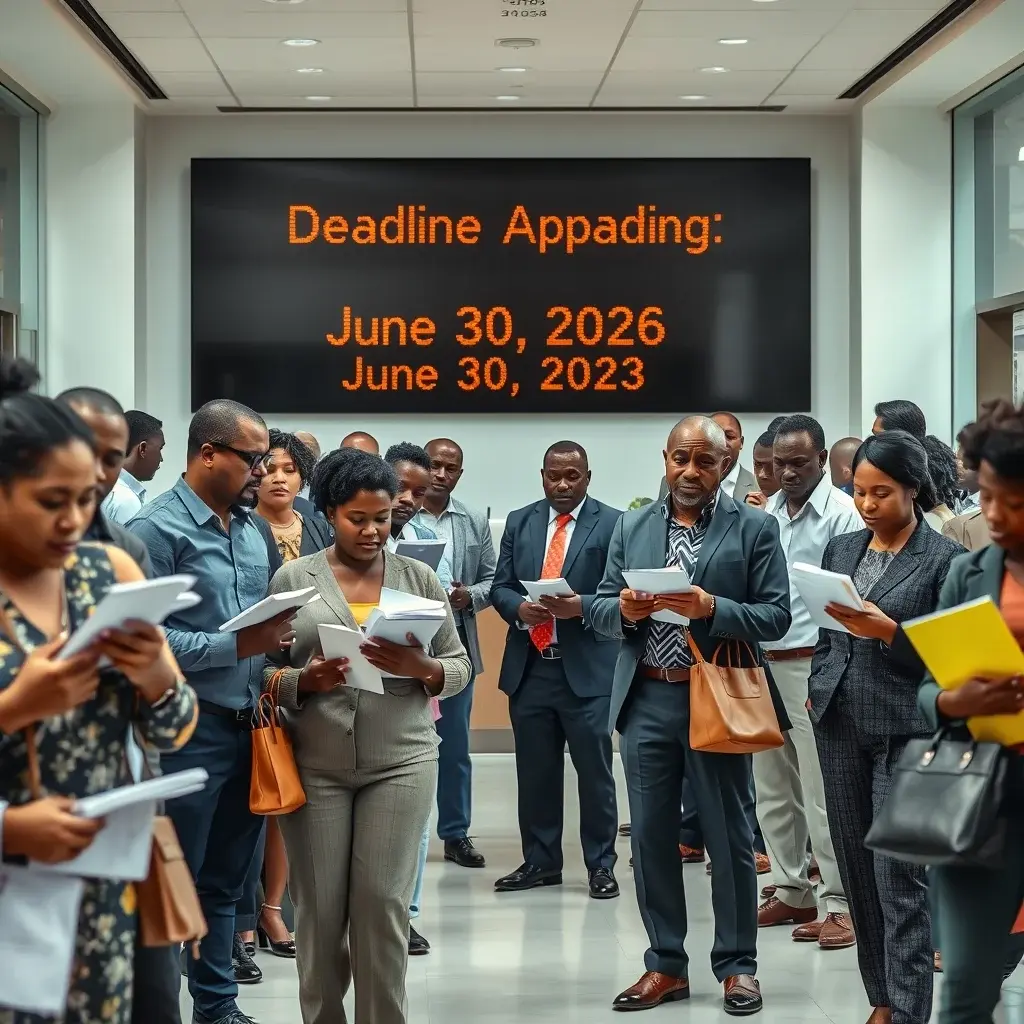
The government’s dissolution jeopardizes crucial timelines for securing international aid. Hours before his dismissal, Finance Minister Cheikh Diba informed parliament that negotiations with the IMF were expected to resume the week of June 8, aiming for a structural reforms agreement by June 30.
Diba also issued a stark warning: the national fuel subsidy bill could exceed its 2026 budget by 1.15 trillion CFA francs (approximately $2 billion) if global oil prices reach $115 per barrel. Diba revealed that Sonko had rejected his proposal to raise domestic fuel prices to mitigate this deficit, highlighting the policy gridlock that paralyzed the executive branch.
Policy Clashes and Personal Rifts
The policy divide between Faye and Sonko escalated into deep administrative grievances. Faye privately expressed frustration over Sonko’s perceived “excessive personalization” of the Pastef party, while Sonko publicly accused the president of “failure of leadership” for not adequately protecting him from criticism.
This animosity became public earlier this month when Faye warned Sonko that his tenure depended on proper execution of duties. Tensions further flared during a parliamentary session where Sonko openly criticized Faye’s handling of the debt crisis, asserting his independence from executive directives.
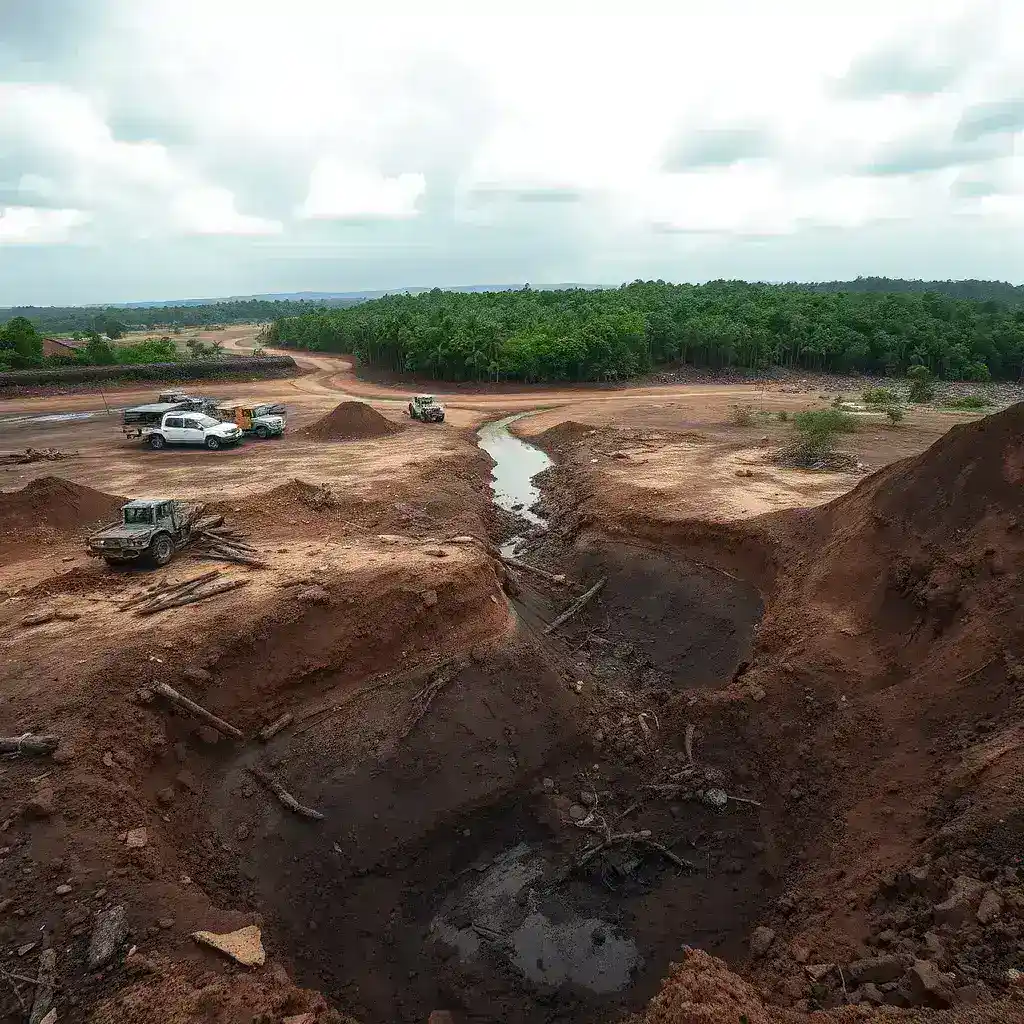
Beyond economic policy, Sonko pursued ambitious, pan-Africanist reforms in Senegal’s resource sector. A key initiative was auditing foreign contracts, particularly in the oil and gas industries. In March, Sonko declared a major BP gas contract unfair and revoked 71 mining licenses, aiming to lower utility prices and bolster state finances. These unilateral actions, while popular domestically, concerned foreign investors and complicated Faye’s efforts to project regulatory stability.
Uncertain Future for a Divided Nation
The political fallout from Sonko’s dismissal remains highly volatile. Following the announcement, hundreds of university students marched in Dakar expressing solidarity with the ousted prime minister.
Sonko, however, adopted a defiant tone on social media, welcoming the clarity of a clean break. He posted, “Praise be to Allah. Tonight I will sleep with a light heart in the Keur Gorgui neighbourhood,” referring to his residence.
President Faye’s immediate challenge is forming a stable new government without alienating the populist base that supported his election. Given the Pastef party’s dominance in the National Assembly and its loyalty to Sonko, he retains significant legislative power to obstruct fiscal reforms demanded by creditors.
The central question remains whether Sonko will act as a quiet power broker or actively lead his faction out of the government. He previously stated he would consider withdrawing his party if Faye deviated from the Pastef’s core agenda. With recent legislative changes potentially clearing a path for Sonko to contest the presidency in 2029, his dismissal may signify the beginning of a prolonged battle for the country’s political direction.
The Regional Mirror — From Accra to Dakar: A Pattern of Fiscal Reckoning
Senegal’s institutional collapse sends ripples across West Africa, a region grappling with post-pandemic inflation, debt restructurings, and stringent IMF bailouts. The economic gridlock in Dakar resonates deeply in capitals like Accra, serving as a stark warning about the consequences of stalled fiscal management amid political deadlock.
The policy clash between Sonko’s nationalist resistance and Finance Minister Diba’s warnings about fuel subsidies mirrors intense debates across West African civil society. Regional observers are closely watching whether a nation can navigate a severe structural debt crisis without widespread domestic unrest.
Implications for the ECOWAS Integration Agenda
The political fallout also strains the Economic Community of West African States (ECOWAS) at a time when it seeks to maintain regional cohesion. Senegal has historically been a pillar of democratic institutionalism and financial stability within the West African Economic and Monetary Union (WAEMU).
A prolonged political battle between Faye’s executive and a Sonko-influenced parliament could paralyze decision-making in Dakar, hindering regional monetary integration and trade expansion. The paralysis of an economic anchor like Senegal risks diminishing investor confidence across the entire ECOWAS region, especially amidst a fragile global economic landscape.
The unfolding power struggle places Senegal at a critical juncture. For investors and regional observers, the political purge is a double-edged sword. While Sonko’s removal might facilitate IMF negotiations, the threat of renewed protests and legislative gridlock could equally paralyze the state.
Ultimately, President Faye’s high-stakes gamble will test whether Senegal’s democratic institutions can withstand deep ideological rifts at the highest levels of power, or if mounting economic pressures will usher in a new era of instability in one of West Africa’s traditionally most stable republics.



Leave a Reply