
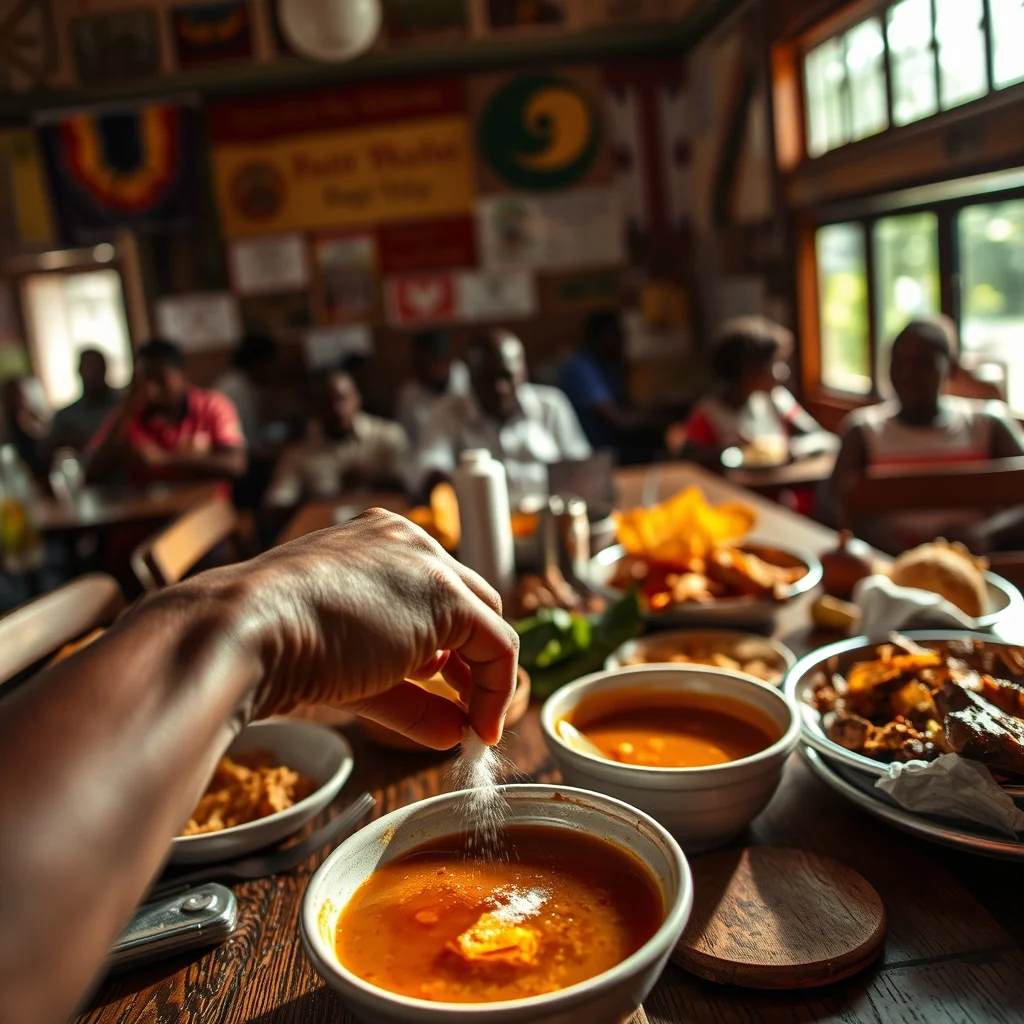
The Kumasi Metropolitan Assembly (KMA) in Ghana has enacted a ban on the open display of salt in eateries, a move implemented recently to combat the escalating rates of hypertension within the city. This initiative, coinciding with global Salt Awareness Week (May 11th-17th), aims to curb excessive salt consumption by altering the dining environment and encouraging healthier eating habits among residents.
An observational study conducted across 156 food service establishments in Kumasi revealed that a significant 62% openly displayed salt on dining tables. The KMA identified chop bars as particularly prevalent in this practice, which is believed to directly encourage customers to add extra salt to their meals, contributing to increased sodium intake.
The Hidden Salt in Daily Meals
Salt is a fundamental ingredient in cooking, but its excessive consumption poses a serious health threat. In many households and food establishments, salt is added during the cooking process. Its subsequent placement on dining tables often leads to individuals adding even more salt without conscious consideration, leading to a cumulative increase in daily intake over time.
The World Health Organization (WHO) recommends that adults consume no more than 5 grams of salt daily, equivalent to approximately one teaspoon. For children, the recommended intake is even lower, at 2 grams per day. However, studies indicate that a substantial portion of the population consumes nearly double these recommended limits.
Hypertension: A Silent Killer
This excess salt intake is a primary driver of hypertension, commonly known as high blood pressure. Often referred to as the










Leave a Reply