
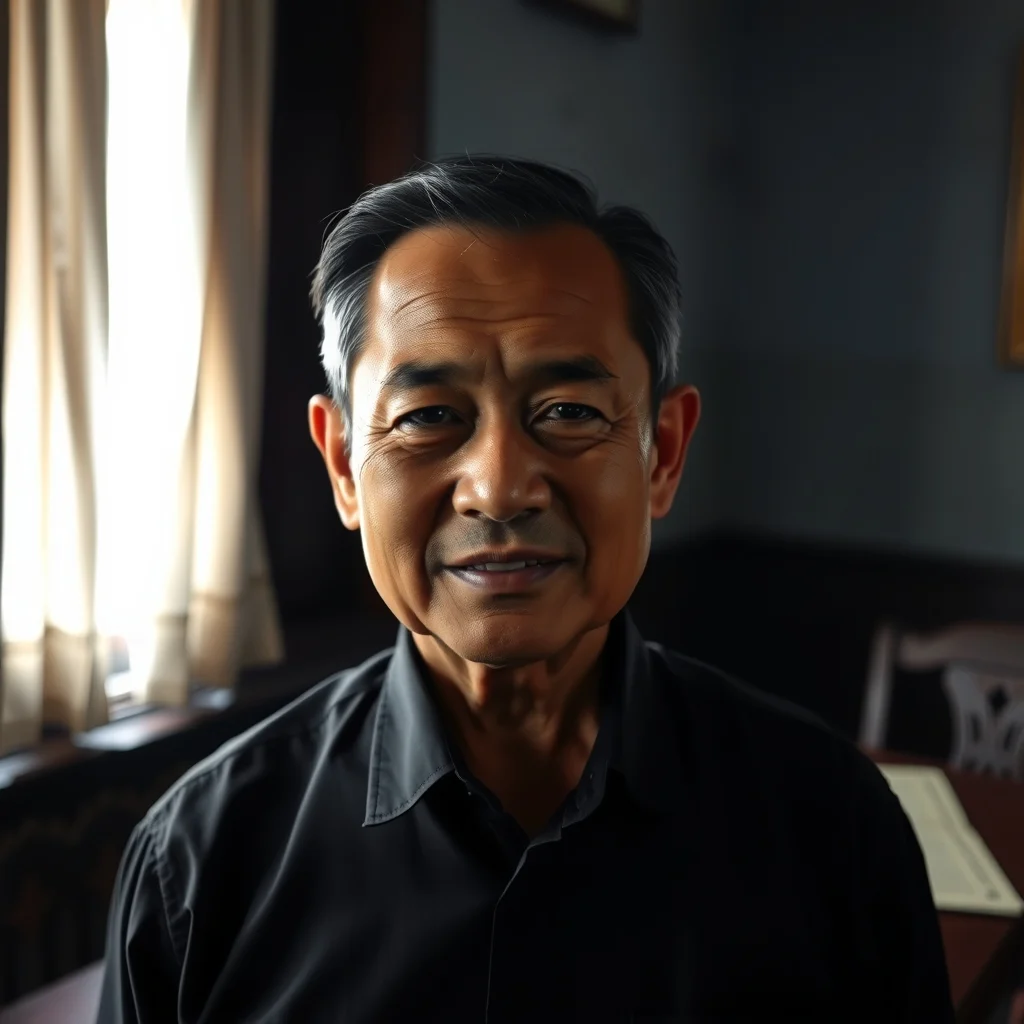
Phnom Penh, Cambodia – Cambodia’s former opposition leader Kem Sokha has received a royal pardon, effectively ending a 27-year prison sentence for treason. The pardon was announced by Hun Sen, the country’s acting head of state, who signed the decree on behalf of King Norodom Sihamoni. Sokha, who led the now-dissolved Cambodian National Rescue Party (CNRP), had been under house arrest since his conviction in 2023.
Background of the Charges
Kem Sokha was initially arrested in 2017 following a video that surfaced showing him discussing support received from U.S. pro-democracy organizations. This arrest occurred less than a year before the 2018 general election, in which the CNRP was subsequently banned from participating.
Human rights organizations and international observers have widely criticized the treason charges against Sokha as politically motivated. They argue the charges were intended to suppress political dissent and eliminate a significant opposition figure ahead of crucial elections.
The Pardon and its Context
Hun Sen, who governed Cambodia for nearly four decades before handing over the premiership to his son, Hun Manet, in 2023, made the announcement via Facebook. He posted an image of the royal decree he had signed.
The pardon follows the rejection of Sokha’s appeal against his sentence last month. However, the decree does not lift a five-year ban preventing the politician from leaving Cambodia.
Hun Sen continues to wield considerable influence in Cambodian politics, currently serving as acting head of state while King Norodom Sihamoni is abroad for medical treatment. His administration has frequently been accused of using the judicial system to target political opponents.
Opposition’s Electoral Challenge
The CNRP, under Kem Sokha’s leadership, had posed a significant challenge to Hun Sen’s Cambodian People’s Party (CPP). In the 2013 general election, the CNRP came close to achieving an unexpected victory.
The dissolution of the CNRP in 2017 and the subsequent arrest of its leader marked a turning point in Cambodia’s political landscape. It effectively cleared the path for the CPP to win the 2018 election uncontested, drawing international condemnation.
Expert Perspectives and Implications
Phil Robertson, Deputy Asia Director at Human Rights Watch, stated, “While this pardon is a welcome development for Kem Sokha personally, it doesn’t erase the injustice he has suffered.” He added, “The charges were baseless and politically motivated, designed to silence opposition voices.”
A report by the Asian Network for Free Assemblies (ANFREL) in 2023 highlighted concerns about the shrinking space for political opposition in Cambodia, noting that “legal and administrative barriers continue to impede the formation and functioning of independent political groups.”
What’s Next for Cambodian Politics
The granting of the pardon raises questions about potential shifts in Cambodia’s political dynamics. The lifting of the travel ban, if it occurs, could allow Sokha to engage more directly in political activities, both domestically and internationally.
Analysts are watching to see if this move signals a broader political opening or a strategic maneuver within the ruling party’s framework. The future role of Kem Sokha and the potential resurgence of a unified opposition movement remain key points of interest for observers of Cambodian politics.




Leave a Reply