
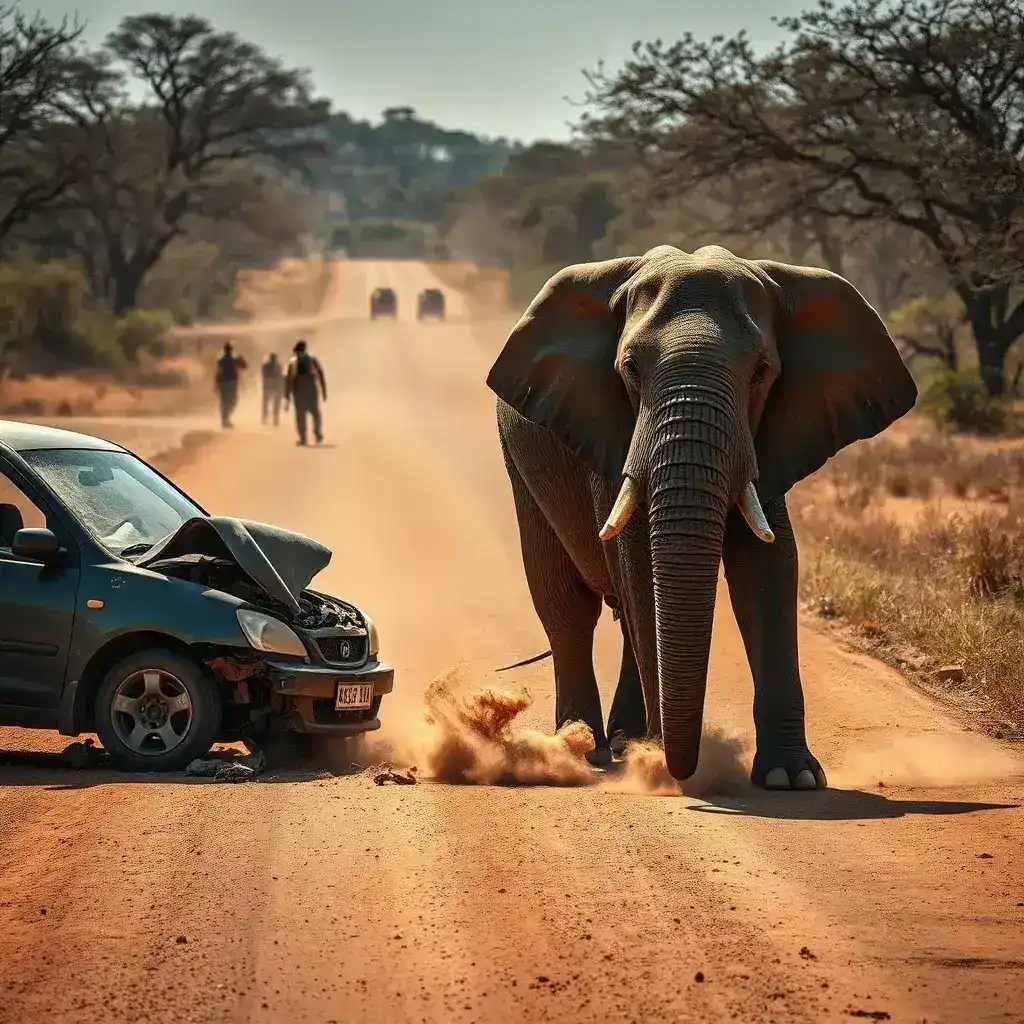
At least three officials from the Uganda Revenue Authority (URA) were killed and four others injured when their vehicle collided with an elephant in Murchison Falls National Park on Sunday evening. The incident occurred as the group traveled from Arua city back to the capital, Kampala, highlighting a growing concern over human-wildlife encounters in Uganda’s protected areas.
Context: Rising Human-Wildlife Conflicts
Uganda, renowned for its rich biodiversity and national parks, faces increasing challenges as human populations expand into areas adjacent to wildlife habitats. This encroachment often leads to increased interactions between people and animals, resulting in both property damage and, tragically, loss of life.
Murchison Falls National Park, the country’s largest, is a popular tourist destination but also a vital habitat for a wide array of wildlife, including elephants. The park’s road network facilitates travel through the region, but also presents risks for motorists navigating areas where animals roam freely.
The Incident and Immediate Aftermath
The Uganda Police Force confirmed the tragic accident, stating that the vehicle was carrying seven URA officials. The collision with the elephant resulted in immediate fatalities and injuries among the passengers. Emergency services responded to the scene, and the injured were transported to a local hospital before being transferred to Kampala for advanced medical treatment.
Details regarding the condition of the elephant involved in the collision have not been released by officials. These incidents, while rare, underscore the inherent dangers present when human infrastructure intersects with wild animal territories.
Official Warnings and Safety Advisories
In response to this and similar incidents, the Ugandan Wildlife Authority (UWA) has reiterated its plea to motorists. They strongly advise drivers passing through protected areas to exercise extreme caution and remain vigilant for wildlife crossing roadways.
“Motorists travelling through Protected Areas are strongly advised to drive cautiously, as wild animals frequently cross the roads,” a statement from the UWA read. This advisory aims to mitigate the risk of future accidents by promoting responsible driving behavior within and around national parks.
Broader Implications and Future Outlook
The fatal crash serves as a stark reminder of the delicate balance between conservation efforts and human development. As Uganda continues to grow, finding sustainable solutions that allow both communities and wildlife to thrive becomes increasingly critical.
Experts in wildlife management suggest that improved infrastructure, such as wildlife corridors and enhanced signage in known animal crossing zones, could help reduce such encounters. Furthermore, public awareness campaigns educating both local communities and tourists about wildlife behavior and safe practices are essential.
The incident is likely to intensify discussions about road safety within Uganda’s national parks and may prompt authorities to review and potentially enhance existing measures to protect both humans and animals. The long-term challenge lies in managing the increasing pressure on protected areas and ensuring that development does not come at the cost of biodiversity and human safety. What remains to be seen is how effectively these warnings translate into driver behavior and what new strategies will be implemented to prevent similar tragedies in the future.










Leave a Reply