
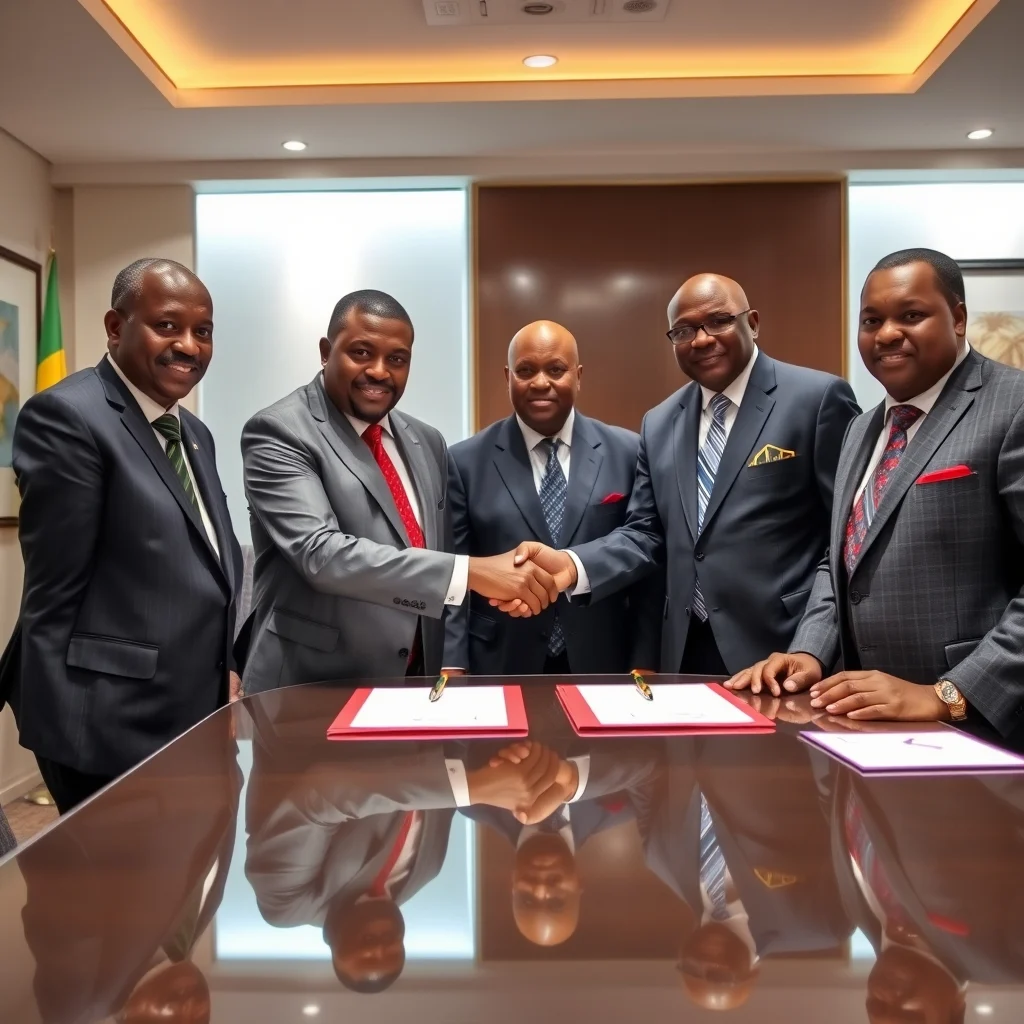
The Ghana Gold Board (GoldBod) has finalized a significant refinery partnership with Royal Ghana Gold Limited, a move designed to bolster Ghana’s ambition of adding value to its mineral resources before export. This agreement, signed recently, will see GoldBod supplying up to one metric tonne of gold weekly for domestic refining.
Context: The Drive for Mineral Value Addition
For years, Ghana, one of Africa’s largest gold producers, has primarily exported its raw gold. This practice means the country misses out on substantial revenue generated from the refining process, including refining fees and the recovery of valuable by-products. Recognizing this economic leakage, the Ghanaian government, under President John Dramani Mahama, has prioritized developing local refining capabilities.
The vision is to transform Ghana from a mere exporter of raw materials into a regional hub for precious metal processing. This strategic shift aims to create jobs, attract investment, and secure a larger share of the global gold market’s economic benefits.
GoldBod’s Expanding Refinery Network
This partnership with Royal Ghana Gold Limited is the second major refinery agreement secured by GoldBod in 2026. It follows an earlier deal with Gold Coast Refinery, indicating a concerted effort to rapidly expand the nation’s refining infrastructure. By diversifying its refining partners, GoldBod aims to ensure consistent processing capacity and competitive refining standards.
GoldBod Chief Executive Officer Sammy Gyamfi emphasized the government’s commitment during the signing ceremony. He reaffirmed President Mahama’s directive that by 2030, all gold mined in Ghana must undergo local refining before being shipped abroad. This ambitious target underscores the urgency and strategic importance of these partnerships.
Economic and Industrial Implications
The agreement with Royal Ghana Gold Limited is anticipated to yield multiple economic benefits for Ghana. Primarily, it will enable the country to retain refining fees that would otherwise go to international refineries. Furthermore, the process of refining gold often yields by-products such as silver, platinum, and palladium, which can be further processed and sold, adding another revenue stream.
Job creation is another key outcome. The establishment and operation of advanced refining facilities require a skilled workforce, from technicians and metallurgists to administrative and logistics personnel. This initiative is expected to stimulate employment opportunities within the mining and processing sectors.
The Bank of Ghana and Royal Ghana Gold Limited have both pledged their support for Ghana’s broader industrialization and economic transformation agenda. This collaborative approach signals confidence in the nation’s strategy to leverage its natural resources for sustainable development.
Strengthening Ghana’s Position in Africa
By increasing its local refining capacity, Ghana aims to solidify its position as a leading gold refining hub on the African continent. This could attract further foreign investment in the mining and processing sectors, enhance Ghana’s reputation for responsible resource management, and provide a more stable supply of refined gold for both domestic and international markets.
Looking Ahead
The success of this partnership and others like it will be crucial in meeting the 2030 deadline for full domestic refining. Investors and industry observers will be watching closely to see how quickly these facilities can scale up operations, the quality of refined gold produced, and the actual economic impact on job creation and revenue retention. The government’s continued support and policy consistency will be key factors in achieving these ambitious goals.










Leave a Reply