
Across many African nations, a fundamental disconnect exists between the inherited, generation-spanning challenges and the increasingly short-term expectations placed on governments to resolve them within single electoral cycles. This persistent pattern of expecting immediate transformation from decades of accumulated deficits risks trapping the continent in a continuous loop of restarts, dashed hopes, and a sense of movement without meaningful arrival.
The Challenge of Generational Deficits
Africa inherited significant infrastructure deficits, educational gaps, housing shortages, weak industrial foundations, institutional inefficiencies, and complex economic structures that evolved over generations. These are not problems that emerged overnight.
Despite this reality, there is a growing societal expectation for governments to deliver sweeping, transformative changes within political cycles often limited to four years. While demanding progress and accountability is legitimate, the core issue lies in whether political calendars are overriding the fundamental realities of development itself.
The fundamental problem is not the desire for change, but rather the expectation that generational problems can be solved within the confines of electoral cycles.
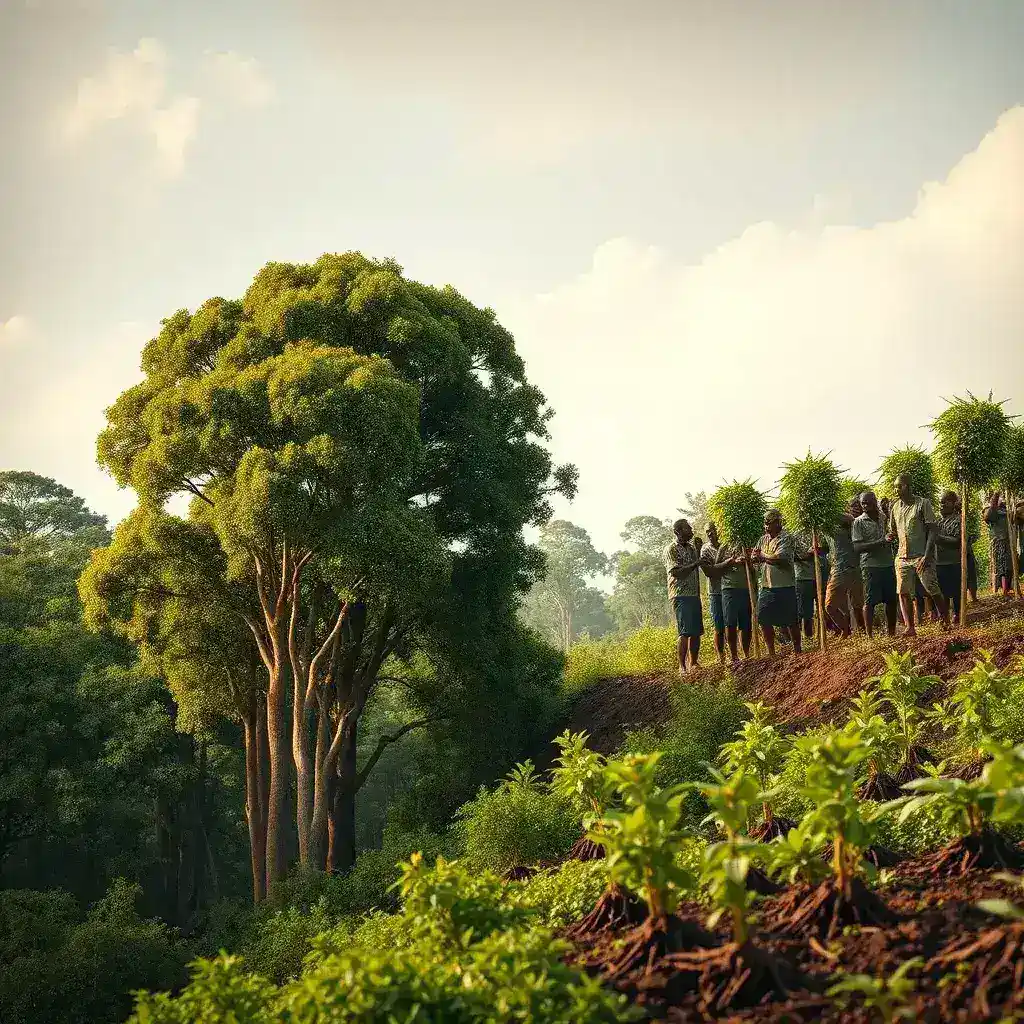
The Metaphor of the Tree and the Forest
The analogy of a tree planted forty years ago, which cannot be replaced overnight by planting a new seed, aptly describes the nature of nation-building. Mature forests do not appear instantly; they are the result of sustained discipline in planting, nurturing, protecting, and waiting.
Similarly, national development—be it in infrastructure, institutions, education, or economic resilience—requires patient cultivation before tangible benefits are realized. Expecting immediate transformation from long-standing deficiencies is akin to demanding fruit before the roots have fully formed.
The Speed of Modernity vs. The Pace of Nations
Modern society increasingly celebrates speed, driven by rapid technological advancements and instant communication. This environment naturally leads to heightened expectations for institutions and governments to operate with similar urgency.
However, nations are not mobile applications. Railway systems require years of meticulous planning and construction. Addressing housing deficits demands sustained financing and land reforms. Educational transformation can take decades to yield visible national outcomes. Industrialization is rarely achieved within a single administration.
Lessons from Global Success Stories
Many of the world’s most successful nations did not overcome poverty or structural weaknesses through short bursts of political enthusiasm. South Korea, emerging from war in the 1950s with severe poverty, transformed into a global economic powerhouse through disciplined, multi-decade investments in education and export-driven industrialization.
Singapore, facing significant challenges at independence in 1965, became a model of efficiency through long-term planning and institutional discipline. China’s economic ascent and Japan’s and Germany’s post-war reconstructions also highlight the critical role of continuity and generational commitment over immediate political victories.
These successful nations deliberately invested in generations that would not personally benefit from their efforts, demonstrating a strategic vision that extended far beyond immediate political gains.
The African Challenge: Policy Interruption
Across many African countries, a significant challenge is the discontinuity of policies and projects across political transitions. Long-term programs are frequently redesigned, strategic priorities shift with changing governments, and initiated projects often stall.
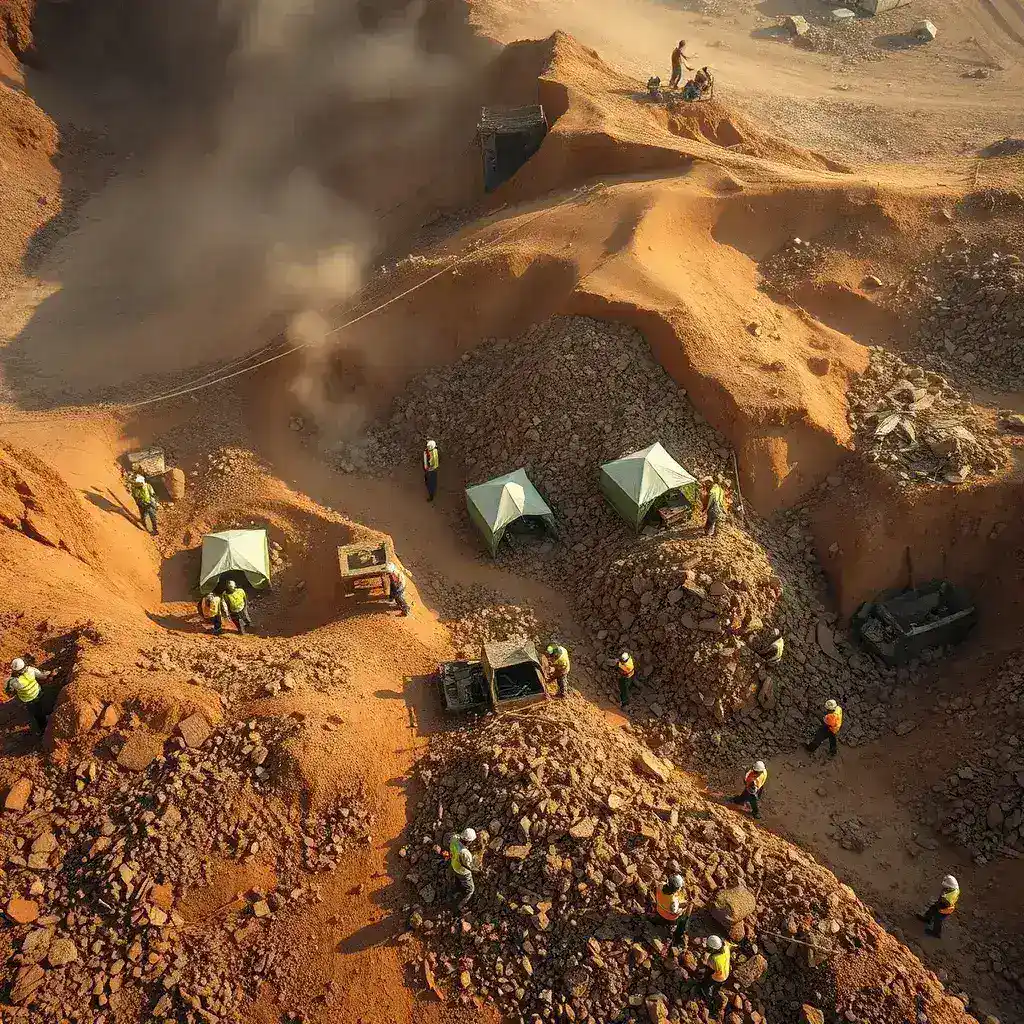
This lack of continuity leads to considerable expense, with railway systems pausing midway, industrial projects losing momentum, housing initiatives restarting, and institutional reforms beginning and stopping. The process resembles trying to build a bridge while constantly changing engineers and redesigning the structure.
This can create a dangerous illusion of progress. Societies may witness high levels of activity—project announcements, program launches, policy redesigns—while remaining fundamentally stationary. Activity must not be mistaken for advancement.
Avoiding the Cycle of Circular Movement
Africa risks becoming trapped in a cycle where governments initiate, successors restart, and societies celebrate movement while remaining distant from their destinations. This is not to suggest governments should escape accountability; patience should never be a license for inefficiency or poor leadership.
Citizens rightly demand measurable progress: improved healthcare, stronger schools, better roads, and enhanced quality of life. The critical distinction lies between demanding progress and demanding miracles. Patience is sustained when progress is visible and measurable.
Shifting the Paradigm: What Needs to Change
Addressing this cycle requires more than political change; it demands societal, educational, institutional, and generational shifts. Correcting deeply embedded habits necessitates a change in how societies understand nation-building itself.
A crucial first step is cultivating collective patience grounded in informed understanding. This patience means recognizing that certain transformations inherently require time, while simultaneously insisting on visible progress. It’s about understanding the difference between delayed growth and absent growth.
Secondly, national development priorities must be institutionalized beyond electoral transitions. Strategic infrastructure, industrialization, educational reforms, and long-term economic initiatives should become national projects, not merely party platforms. When national priorities become political trophies, development often becomes an orphan.
Thirdly, institutions must be strengthened over personalities. While strong personalities can initiate journeys, robust institutions are essential for sustaining destinations. Educational systems also play a vital role in fostering delayed gratification, civic responsibility, and long-term thinking.
Finally, citizens must redefine their participation beyond periodic voting. A nation matures when its citizens actively protect progress, rather than merely focusing on personalities. The core question may not be whether change is happening quickly enough, but whether impatience with the natural pace of nation-building is undermining the very process.
Looking Ahead: The Danger of Uprooting Young Trees
The cycle of disappointment, government changes, reset expectations, and new promises risks repeatedly uprooting young trees before they can mature into forests. Abandoning long-term investments before their benefits materialize is a common human mistake.
Societies can become frustrated with reforms when outcomes are not immediate. However, discarding every young initiative due to impatience jeopardizes future possibilities. The Africa envisioned cannot emerge from endless political restarts; it requires continuity, discipline, accountability, and patience.
Nations are built not solely through election cycles, but through generations committed to thinking beyond themselves. Impatience with growth often destroys what patience could have completed.








Leave a Reply