
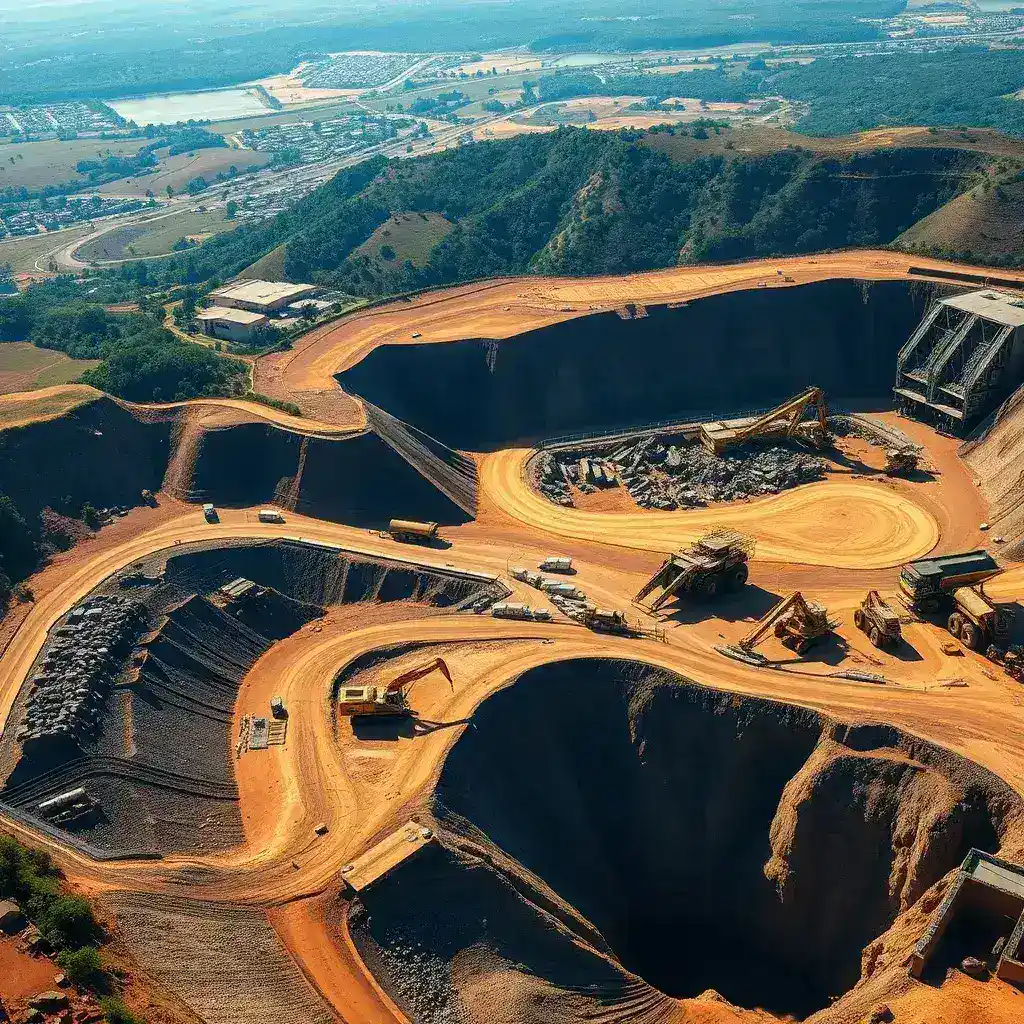
Accra, Ghana – The Ghanaian government has signaled a more rigorous review process for the upcoming renewal of Gold Fields’ mining lease for the Tarkwa mine, emphasizing that the approval will not be automatic. This comes as the Minerals Commission seeks to ensure greater benefits for Ghanaians and transfer of expertise, moving away from previous ‘business as usual’ practices. The announcement follows recent meetings between government officials and Gold Fields representatives, according to a Reuters report on Monday.
Context of Lease Renewals
The Tarkwa mine, a significant asset for Gold Fields, produced approximately 427,000 ounces of gold in 2025. Its current lease is set to expire in 2027, making the renewal process a critical juncture for both the mining company and the Ghanaian government. This situation unfolds against a backdrop of increasing debate and scrutiny surrounding mining lease renewals in Ghana.
Stricter Scrutiny and Development Plans
Isaac Andrews Tandoh, Chief Executive Officer of the Minerals Commission, clarified that the government is not deliberately delaying the renewal. He explained that Gold Fields must first submit its development plans to a technical committee within the Minerals Commission. Following this, a separate presentation will be required at the ministerial level. A final decision will only be made after these stages are successfully completed.
“Won’t be business as usual where we just automatically renew the lease,” Tandoh stated, as reported by Reuters. This indicates a shift towards greater accountability and a more thorough evaluation of proposals from mining firms.
Government’s Stance on Partnerships
Emmanuel Armah-Kofi Buah, Ghana’s Minister for Lands and Natural Resources, has reiterated that the government is not pursuing a nationalization policy in the mining sector. Instead, the focus is on fostering partnerships that facilitate the transfer of technical expertise and create more employment and business opportunities for Ghanaians within the industry.
Community and Industry Concerns
The Minerals Commission’s tougher stance comes amid pressure from civil society and community groups. These entities have voiced concerns that host communities have not reaped sufficient benefits from the Tarkwa mine’s operations, urging the government to consider these impacts during the renewal process.
Adding to the complexity, investor confidence has been a point of discussion. This follows the government’s rejection in April 2025 of Gold Fields’ application to renew the lease for its Damang mine, which subsequently led to the government assuming operational control of that asset. Such decisions can create uncertainty regarding the security of tenure for mining investments in Ghana.
Industry Watchdogs Issue Warnings
The Ghana Chamber of Mines has previously warned that lease revocations and the uncertainty surrounding renewal processes could negatively impact investment inflows. The perception that “security of tenure in Ghana is not guaranteed” might deter potential investors in the mining sector, a crucial contributor to the nation’s economy.
Implications for Gold Fields and the Sector
For Gold Fields, the enhanced scrutiny means navigating a more complex and potentially lengthy approval process for its vital Tarkwa operation. The company will need to clearly articulate its long-term development plans and demonstrate tangible benefits for Ghana. The government’s approach signals a desire for mining companies to align their operations more closely with national development objectives, including local content and community engagement.
This stricter approach to lease renewals could set a precedent for future negotiations in Ghana’s mining sector. It suggests a move towards greater Ghanaian participation and benefit from its natural resources, potentially reshaping the relationship between the government and international mining corporations. Investors and mining firms will be closely watching how this process unfolds, particularly concerning the balance between attracting investment and ensuring sustainable, equitable resource development.










Leave a Reply