
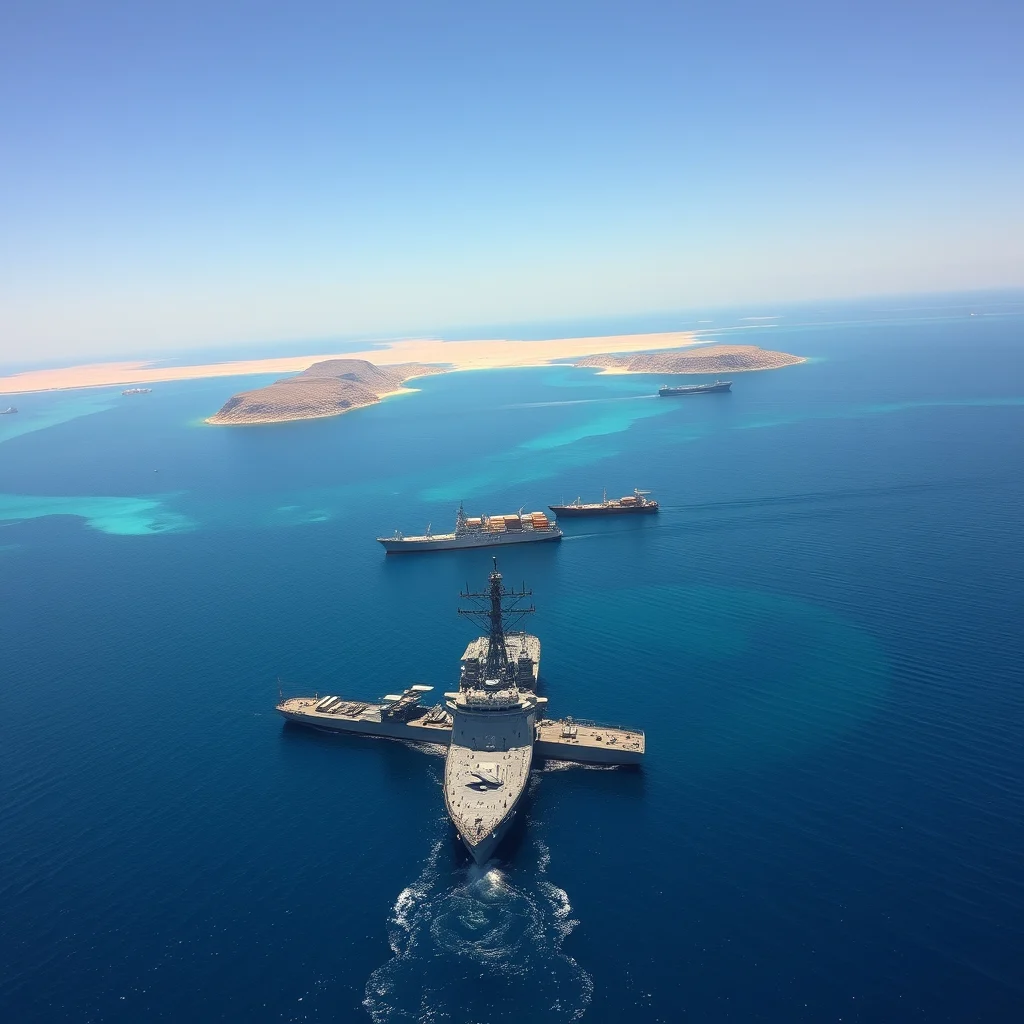
U.S. Secretary of State Marco Rubio stated Tuesday that the Strait of Hormuz must remain open, emphasizing that it will be secured “one way or the other,” following U.S. strikes on Iran. Rubio made these remarks to reporters while traveling on his plane in Jaipur, India.
Global Maritime Chokepoint Under Scrutiny
The Strait of Hormuz, a vital waterway connecting the Persian Gulf to the open ocean, is a critical chokepoint for global oil shipments. Approximately 30% of the world’s seaborne oil trade passes through this narrow strait daily.
Any disruption to shipping in the Strait of Hormuz can have immediate and significant repercussions on global energy markets, potentially leading to price spikes and supply chain instability.
Diplomatic Language and Negotiation Timelines
Rubio indicated that the specific language and terms of any potential deal or agreement concerning Iran’s maritime activities could take several days to finalize. This suggests ongoing diplomatic efforts and negotiations are underway.
The U.S. official’s comments underscore the strategic importance the United States places on maintaining freedom of navigation through this critical maritime passage. The remarks come amid heightened geopolitical tensions in the region.
Strategic Importance and Regional Dynamics
The Strait of Hormuz is bordered by Iran to the north and Oman to the south. Its strategic location makes it a focal point for international maritime security and regional power dynamics.
Control or significant influence over the Strait grants considerable leverage in regional and global affairs. The U.S. has consistently advocated for the free flow of commerce through international waters, including the Strait of Hormuz.
Expert Analysis on Maritime Security
Maritime security analysts have long warned about the vulnerability of such chokepoints. Dr. Evelyn Reed, a senior fellow at the Global Maritime Institute, noted in a recent report, “The Strait of Hormuz represents a persistent flashpoint. Its strategic significance ensures it will remain a key consideration in international diplomacy and defense planning.”
Data from the U.S. Energy Information Administration (EIA) consistently highlights the Strait’s role in global energy supply, with daily oil transit volumes often exceeding 17 million barrels per day in normal conditions.
Implications for Global Trade and Energy Markets
Rubio’s firm stance suggests that the U.S. is prepared to take measures to ensure the Strait remains open, regardless of the diplomatic complexities. This could involve naval presence, security cooperation with regional partners, or other forms of assertive action.
For global markets, the assurance of an open Strait of Hormuz is paramount. Any perceived threat to this access can trigger volatility in oil prices and impact shipping insurance rates. Businesses relying on global supply chains will be closely monitoring developments.
Looking Ahead: Diplomatic Maneuvers and Security Posture
The coming days and weeks will be crucial in observing how diplomatic negotiations unfold and how the U.S. and its allies adjust their security posture in the region. The outcome of these discussions and actions will determine the immediate future of maritime security in the Strait of Hormuz and its broader impact on international trade and energy security.









Leave a Reply