

The head of the World Health Organization (WHO) declared on Monday that the rapidly spreading Ebola epidemic across the Democratic Republic of Congo (DRC) and Uganda is overwhelming response efforts, with 220 suspected deaths reported. WHO Director-General Tedros Adhanom Ghebreyesus stated at an African Union online meeting that delays in identifying cases have forced responders into a reactive position, predicting the situation will worsen before it improves.
Outbreak Details and Geographic Spread
The current outbreak involves the rare Bundibugyo strain of Ebola, which the WHO has designated a public health emergency of international concern. On Monday, Uganda reported two additional confirmed cases, bringing its total to seven. Neighboring countries to the DRC are considered at high risk and are urged to implement immediate preventative measures.
Challenges Hampering Response
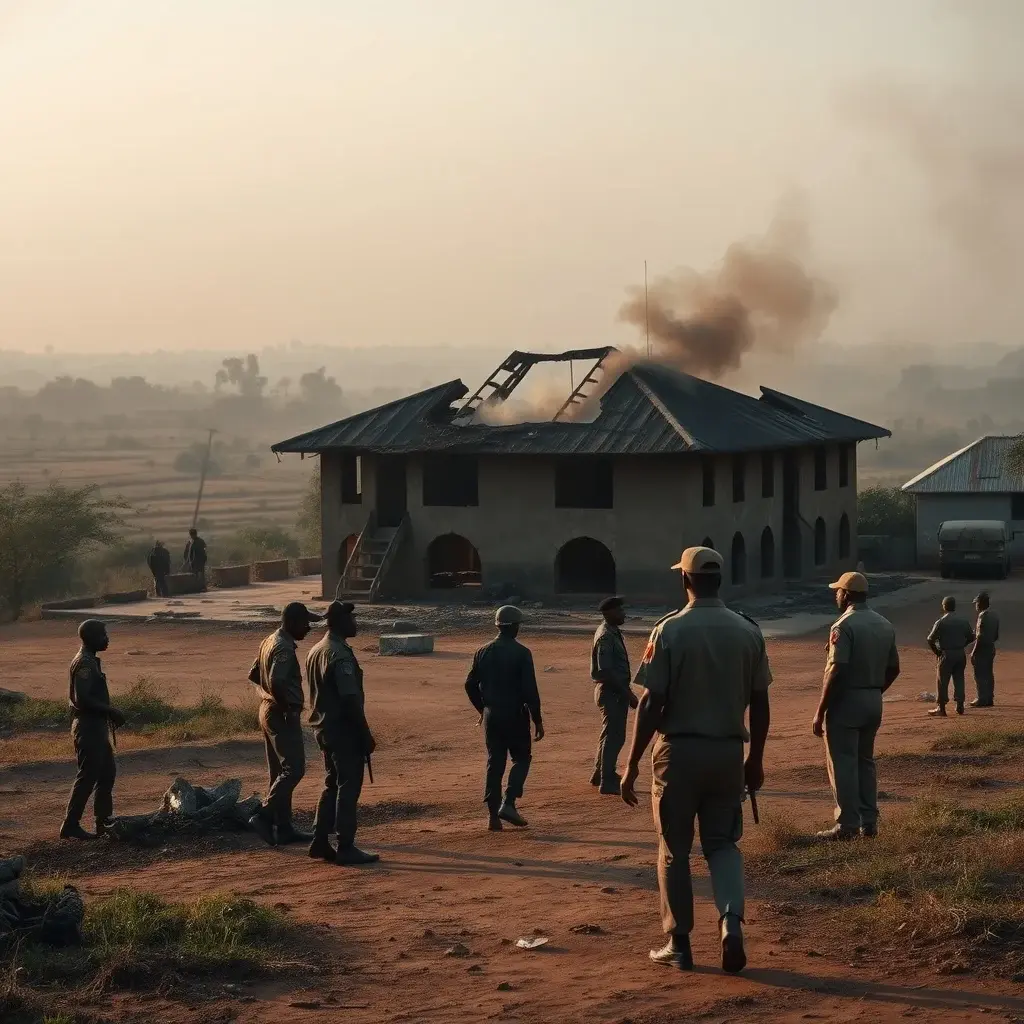
Containing this fast-moving outbreak is significantly complicated by the volatile security situation in the DRC’s Ituri and North Kivu provinces, regions identified as epicenters of the epidemic. Compounding these challenges is the absence of approved vaccines specifically for the Bundibugyo virus strain. This lack of a specific vaccine limits the available tools for immediate containment and prevention.
WHO’s Commitment and Travel to DRC
Director-General Tedros announced his intention to travel to the DRC on Tuesday, accompanied by Chikwe Ihekweazu, the senior WHO official overseeing health emergency responses. This visit underscores the WHO’s commitment to addressing the crisis directly and coordinating efforts on the ground amidst the escalating threat.
Expert Perspectives and Data
Dr. Tedros highlighted that the delay in detecting initial cases is the primary driver behind the response struggling to keep pace. “We are playing catch-up,” he stated, emphasizing the critical need for earlier identification and intervention in future outbreaks. While specific data on the Bundibugyo strain’s transmission dynamics is still being gathered, the general characteristics of Ebola outbreaks underscore the urgency of rapid containment.
Implications for Regional Health Security
The declaration of a public health emergency of international concern signals the gravity of the situation and the potential for wider international spread. Countries bordering the DRC must bolster their surveillance systems and preparedness plans. The lack of an approved vaccine for this specific strain necessitates a stronger focus on traditional public health measures, including contact tracing, isolation, and community engagement to prevent further transmission.
Future Outlook and Watch Points
The coming weeks will be critical in determining the trajectory of this outbreak. Key factors to watch include the effectiveness of enhanced surveillance in neighboring countries, the WHO’s ability to navigate security challenges in the affected DRC provinces, and any developments in research or potential therapeutic interventions for the Bundibugyo strain. The global health community will be closely monitoring the situation as response teams work to gain control over this escalating epidemic.









Leave a Reply