
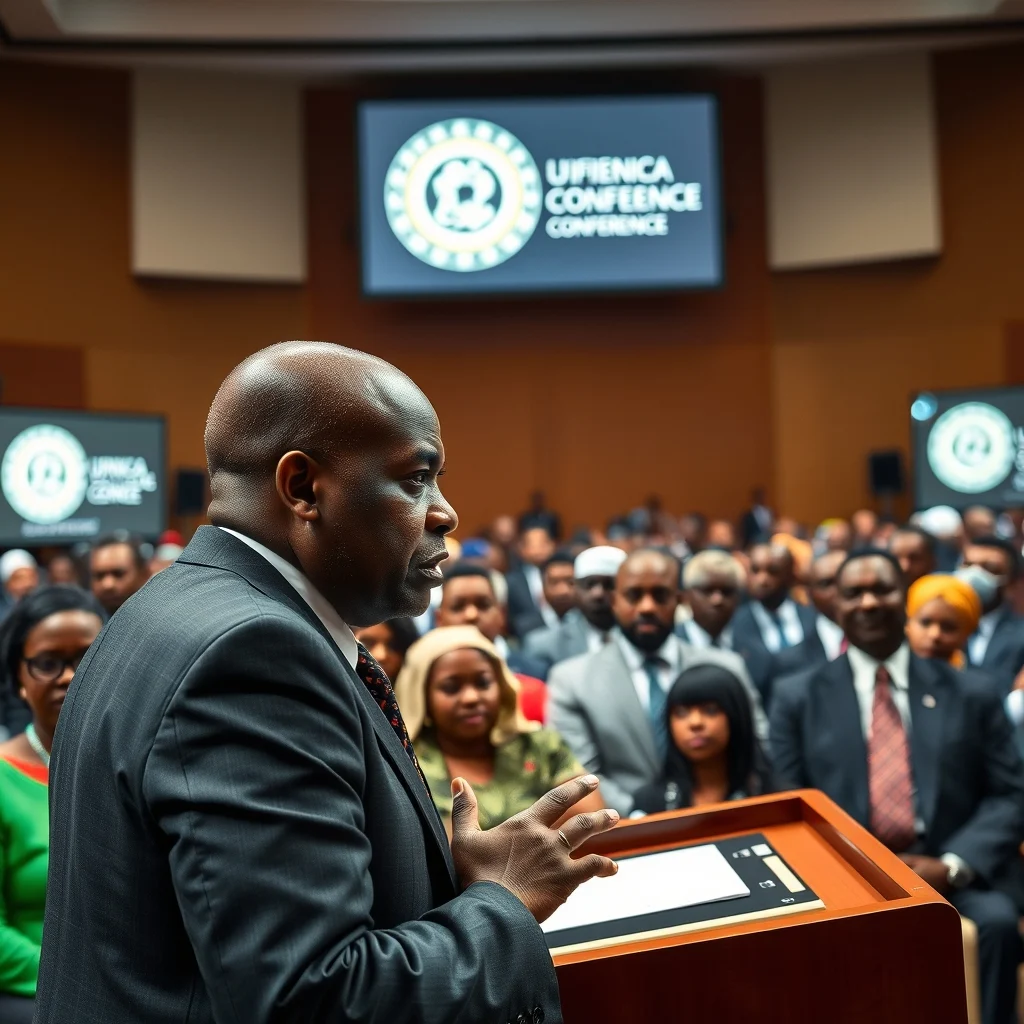
Moses Foh-Amoaning, Executive Secretary of the National Coalition for Human Sexual Rights and Family Values Bill, urged African legislators on Thursday, June 4, 2026, to dismiss arguments that LGBTQ+ rights are protected under international human rights law, asserting that such claims are misleading and part of a deceptive agenda.
Challenging International Human Rights Frameworks
Speaking at the 4th Inter-Parliamentary Conference on Family, Sovereignty and Values, Foh-Amoaning directly addressed lawmakers, encouraging them to resist the integration of LGBTQ+ rights into national legal frameworks based on purported international human rights standards.
He characterized the assertion that LGBTQ+ rights are enshrined in international law as “a lie from hell,” aiming to expose what he described as the deliberate and deceptive tactics of LGBTQ+ advocacy groups.
Foh-Amoaning contended that references to sexual rights, constitutional rights, and human rights in support of LGBTQ+ issues lack a foundation in established international legal instruments.
“So when you hear them talking about human rights, sexual rights, and constitutional rights, it’s all false,” he stated, directly challenging the core arguments used by international rights organizations.
The Nature of Advocacy and Legal Interpretation
The executive secretary argued that LGBTQ+ rights were not originally included in international legal frameworks but were instead introduced through interpretation and external pressures exerted on nations.
“My point is, LGBTQ+ rights have never been part of the international legal framework. They were implied, and they were forced into our laws,” Foh-Amoaning explained, suggesting a deliberate expansion of rights beyond their original scope.
He urged conference participants, including parliamentarians and policymakers, not to be swayed by concerns that opposing LGBTQ+ rights could lead to conflicts with international legal obligations.
“I want this conference not to be fooled by anybody and say, okay, we’re afraid because we’re going to be fighting or conflicting with some international law framework,” he advised.
Conference Context and Broader Discussions
The 4th Inter-Parliamentary Conference on Family, Sovereignty and Values convened parliamentarians, policymakers, and advocates from various nations.
The conference aimed to foster discussions on critical issues concerning family values, national sovereignty, and the development of social policies within different cultural contexts.
Foh-Amoaning’s remarks represent a significant challenge to the prevailing discourse on LGBTQ+ rights in international forums and highlight a growing resistance movement in some parts of Africa.
The debate over the universality of human rights and the specific inclusion of LGBTQ+ rights within these frameworks continues to be a point of contention, with differing interpretations of international law and cultural norms at its core.
Implications and Future Watch
Foh-Amoaning’s statements signal a potential hardening of positions among some African legislators regarding LGBTQ+ advocacy, particularly concerning its linkage to international human rights law. This could lead to increased legislative efforts to restrict LGBTQ+ rights or to push back against international pressure to adopt more inclusive policies. The effectiveness of such arguments in influencing policy decisions will depend on the broader political and social landscapes within individual African nations and the continued engagement of international human rights bodies. Observers will be watching to see if this stance gains wider traction among African governments and how international human rights organizations respond to these challenges to their legal interpretations.









Leave a Reply