
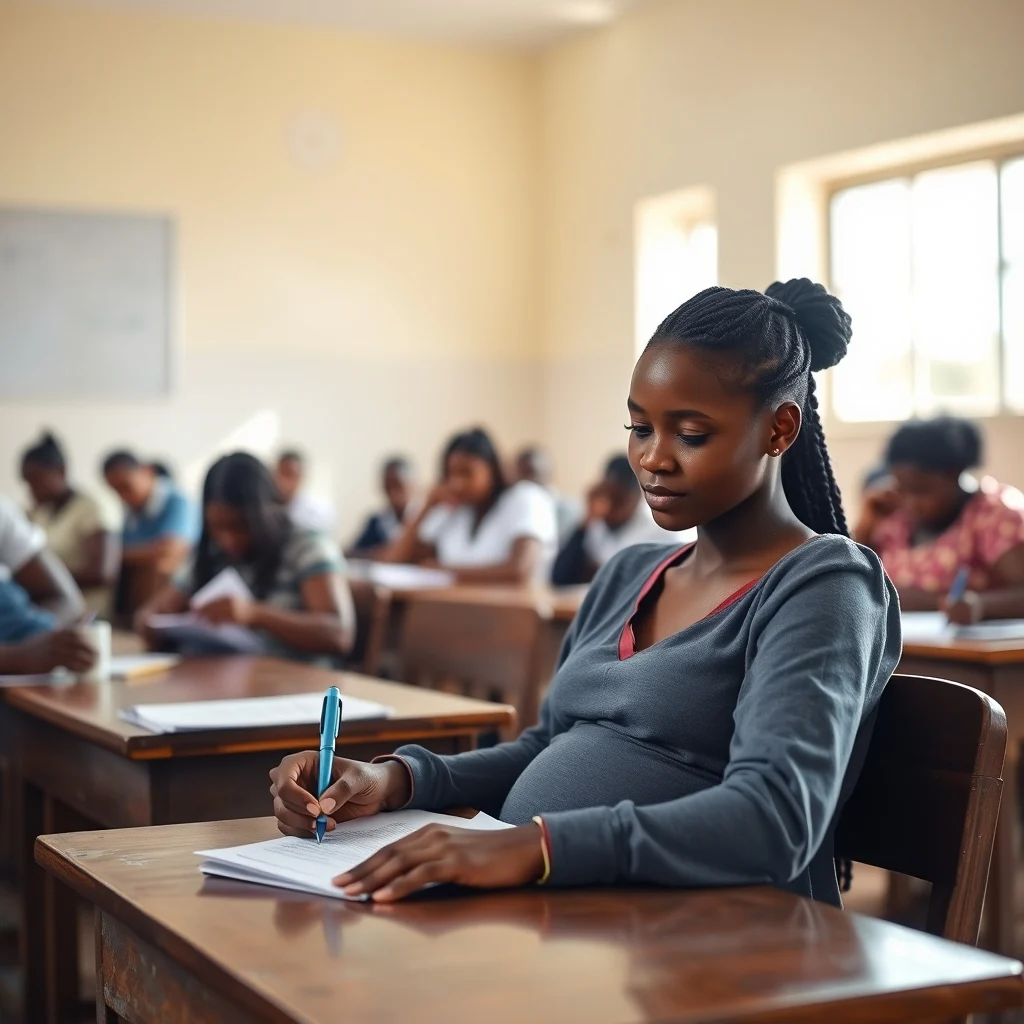
The Asutifi South District Assembly in Ghana’s Eastern Region has initiated a comprehensive support program targeting pregnant teenage girls participating in the Basic Education Certificate Examination (BECE). Launched yesterday, May 6, the initiative aims to prevent stigma and high dropout rates by offering specialized counseling, medical care, and financial assistance, ensuring that pregnancy does not prematurely end a girl’s educational journey and encouraging continued schooling into Senior High School (SHS).
Context: Addressing a Critical Educational Gap
Teenage pregnancy remains a significant barrier to education in many regions, leading to social stigmatization and a premature end to academic pursuits. The period between completing the BECE and receiving results is identified as a particularly vulnerable time, where societal pressures often compel pregnant girls to abandon their educational aspirations. This program intervenes during this critical window.
Multifaceted Support System
District Chief Executive (DCE) Benjamin Assabil Donkor announced the plan during a visit to examination centers in Dadiesoaba. He highlighted the assembly’s commitment to supporting these young learners, stating, “We have seen too many girls fail to turn up for exams or refuse to further their education due to self-inflicted and societal stigmatization.” The program is designed to keep students healthy, focused, and motivated, preserving the educational investments made by families and the government.
To ensure effective implementation, the Asutifi South District Assembly has coordinated with various stakeholders. Girl-Child Coordinators are tasked with providing emotional and academic guidance. Assembly members are responsible for identifying and registering all pregnant candidates within the district. School supervisors are instructed to maintain a welcoming and supportive environment at the examination centers.
Broader Regional Push for Academic Excellence
This initiative is part of a larger effort to enhance academic performance across the Ahafo Region. Over 12,000 candidates are currently undertaking their BECE exams at 50 centers. In a move to further incentivize success, the Member of Parliament for Asutifi South, Collins Dauda, and Regional Minister Charity Gardiner have pledged substantial start-up kits for any candidate achieving single-digit aggregates. These kits will include essential items like chop boxes and educational materials, along with cash grants to help cover initial SHS expenses.
Expert Perspectives and Data-Driven Rationale
The program’s design is informed by research on the impact of integrated support systems. Data from Plan International suggests that combined interventions, which address stigma alongside financial aid, can boost the school re-entry rate for teen mothers by over 50%. Furthermore, a World Bank study indicates that each additional year a girl spends in secondary education can increase her lifetime earning potential by 10% to 20%, underscoring the economic benefits for communities like Asutifi South.
Experts also emphasize the psychological benefits. Counseling during pregnancy is noted to reduce the risk of postpartum depression and academic anxiety, facilitating a smoother transition back into the classroom environment. By viewing teenage pregnancy as a manageable challenge rather than an insurmountable obstacle, the Asutifi South District is pioneering an inclusive educational approach.
Implications and Future Outlook
While the assembly provides a crucial safety net, DCE Donkor reiterated the commitment to discouraging teenage pregnancy and urged students to maintain discipline. The program sets a regional benchmark for social progress and inclusive education, demonstrating a proactive approach to safeguarding the futures of young learners. The success of this multifaceted support system in Asutifi South could influence similar initiatives in other districts facing similar challenges, highlighting the potential for education and social support to work in tandem.










Leave a Reply