
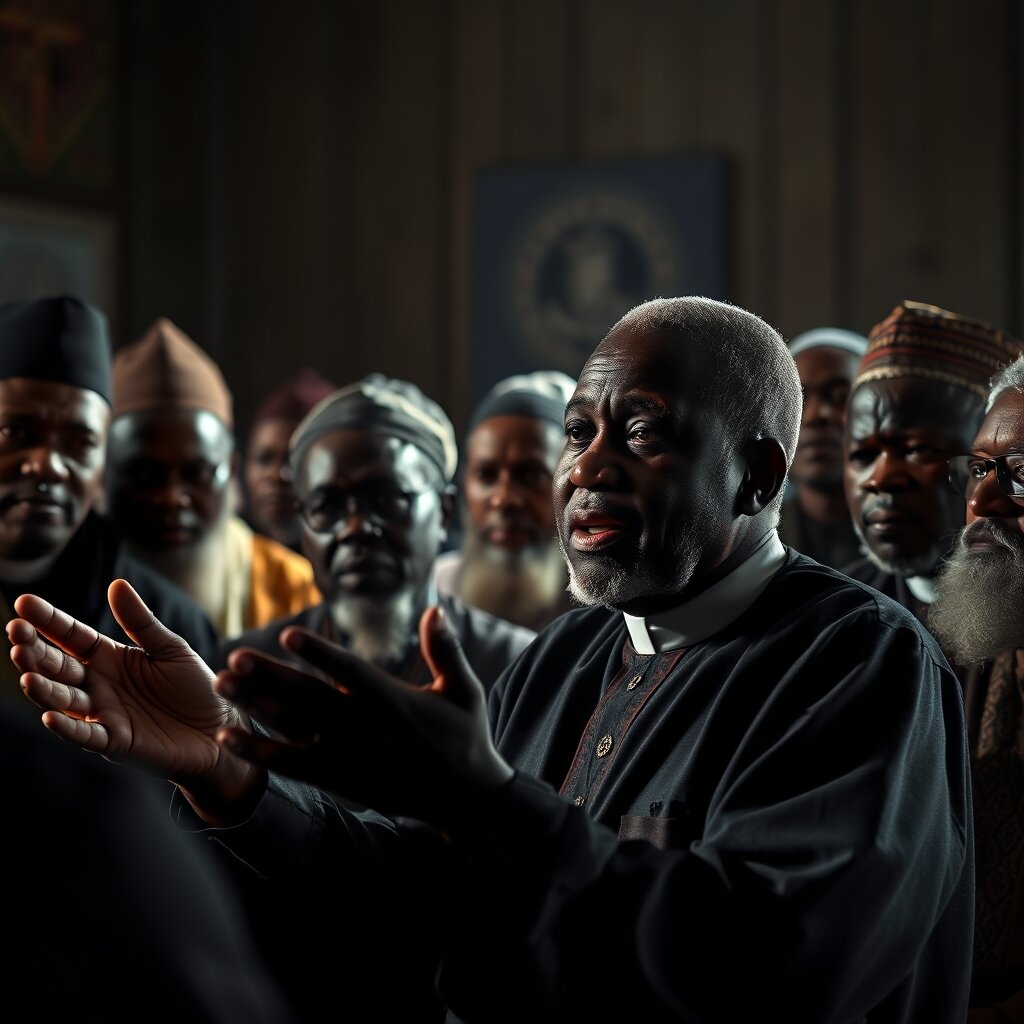
The Christian Council of Ghana, through its General Secretary Rev. Cyril Fayose, is urging the government to implement stronger actions beyond mere apologies following a public controversy involving the CEO of the Ghana Free Zones Authority. The Council insists that a firmer government response is necessary to uphold public standards and institutional respect, despite the Church’s belief in grace and forgiveness.
Background of the Controversy
The incident arose from remarks made by Mary Awusi, the CEO of the Ghana Free Zones Authority, directed at Apostle Dr Eric Nyamekye, Chairman of the Church of Pentecost. Dr Nyamekye had commented on the pervasive issue of illegal mining, commonly known as ‘galamsey’.
Awusi’s comments sparked significant public backlash, leading to apologies from both the CEO and the Chief of Staff, Julius Debrah. Debrah expressed regret and clarified that no disrespect was intended by the remarks.
Calls for Stricter Accountability
While acknowledging the religious principle of forgiveness, Rev. Fayose emphasized that the matter requires more than just apologies. Speaking on Joy News’ PM Express, he stated, “Yes, I wanted to say that as clergy and ministers of God, we are people of grace and mercy. So we give second chances to people, and we see some of these things as learning processes.”
However, he aligned with calls for a more robust stance, agreeing with statements that public apologies are insufficient. “I will agree with Richard Ahiagbah… that we must go a little beyond just a public apology, we must make a very strong statement about the issue,” Rev. Fayose asserted.
Government’s Role and Public Standards
Rev. Fayose stressed the government’s responsibility to clearly dissociate itself from such conduct. This, he believes, would send a potent signal to all public officials regarding acceptable behavior. He suggested that even a strong reprimand, without necessarily removing the individual from their post, could suffice.
“The government must dissociate itself from such conduct, and even if there might be a strong reprimand, without going to the extent of taking away her current position… I’m sure by now she has learned her lessons,” he explained.
When questioned about the sufficiency of the Chief of Staff’s apology, Rev. Fayose was clear. “Yes, I agree with that. In addition to the apologies, we need a statement from the government to itself, telling them that certain things are just wrong… Short of that, then we will think that the public apology is just something for the cameras,” he stated.
Addressing Generalizations and Individual Accountability
Rev. Fayose also cautioned against attributing the actions of a few individuals to the entire religious community. He noted that such incidents can unfairly tarnish the reputation of many. “And then I also want to say that sometimes we bunch all the religious leaders together… There are a few bad nuts… maybe about one to 5% of us cause a lot of problems,” he observed.
He urged both church and state authorities to hold individuals accountable when necessary, advocating for the identification and correction of misconduct. “So I think it’s important that we single out the bad ones amongst us and call them to order, both at church and at State,” Rev. Fayose concluded.
Broader Implications for Public Discourse
These comments contribute to an ongoing debate about accountability and conduct in public life in Ghana. The situation highlights the tension between freedom of expression, the need for respect towards institutions and individuals, and the responsibility that comes with public office. The Christian Council’s stance underscores a growing expectation for public officials to adhere to higher standards of decorum and for governmental bodies to enforce these standards decisively.
Looking Ahead
The focus now shifts to whether the government will heed these calls for a more concrete response. Observers will be watching to see if official statements are issued or actions taken that reinforce expectations for public officials’ conduct and public discourse. The resolution of this matter could set a precedent for handling similar situations in the future, influencing the tone and accountability within Ghana’s public sphere.










Leave a Reply