
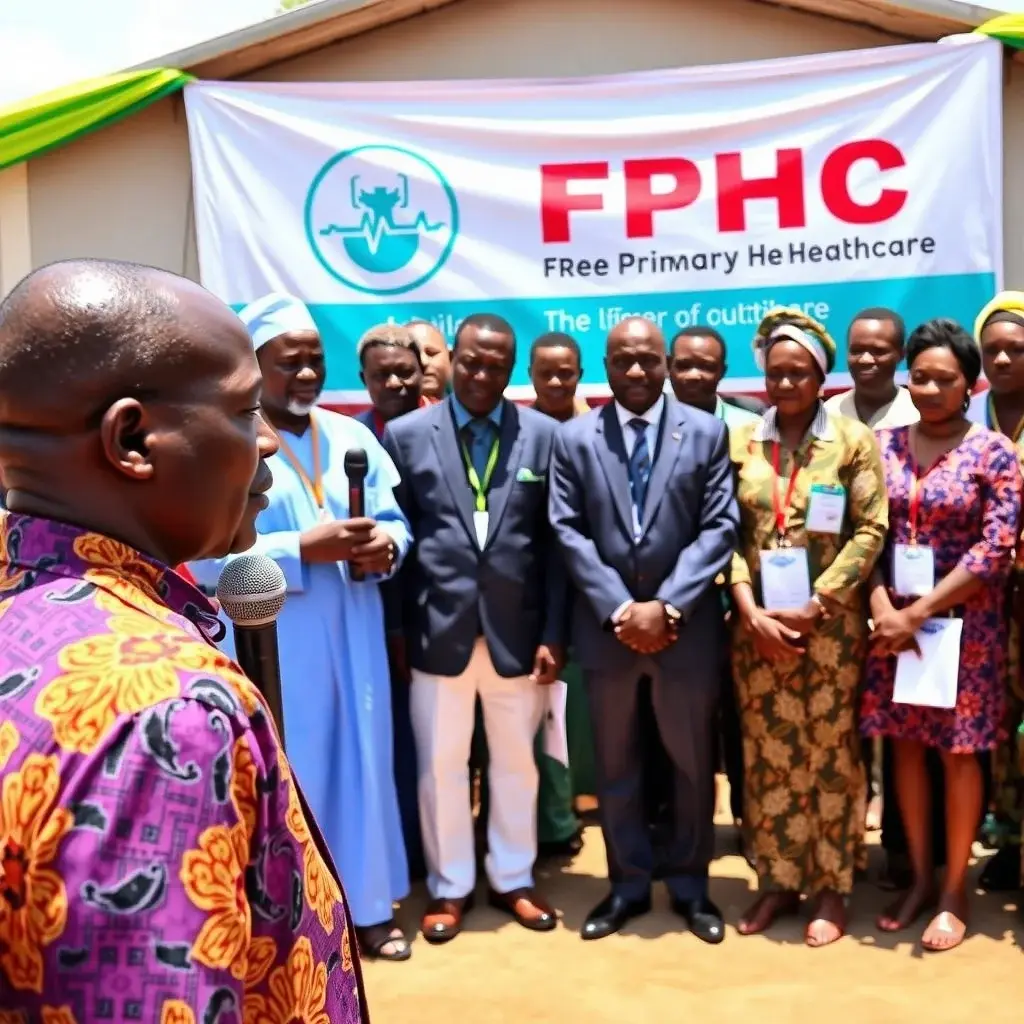
Ghana’s Minister of Health, Kwabena Mintah Akandoh, officially launched the Free Primary Healthcare (FPHC) policy in Dambai, Oti Region on May 9, 2026, signaling a significant national effort to ensure all citizens receive quality medical care, irrespective of their geographical location or financial status.
Addressing Healthcare Disparities
The FPHC policy is designed to dismantle both financial and geographical obstacles that have historically prevented many Ghanaians from accessing essential and timely medical attention. This initiative represents a core commitment by the government to achieve universal healthcare coverage.
The first phase of the program will focus on 150 underserved districts nationwide. It aims to provide comprehensive, free healthcare services at the community level, encompassing preventive, diagnostic, and curative care.
Beneficiaries will be able to access these services without charge by simply presenting a valid National Health Insurance Authority (NHIA) card. This streamlined approach ensures accessibility for those already within the formal health insurance system.
Comprehensive Health Services Offered
The FPHC package includes a broad range of services designed to address prevalent health issues in Ghana. Treatment for common diseases like malaria and cholera is a key component.
Basic health screenings will facilitate early detection of potential health problems. The policy also prioritizes maternal and child healthcare services, crucial for reducing infant and maternal mortality rates.
Furthermore, the management of non-communicable diseases such as hypertension and diabetes will be available at community-level facilities, including CHPS compounds and health centres. This focus on chronic conditions acknowledges their growing impact on the nation’s health burden.
Combating the ‘No Money Syndrome’
A primary objective of the FPHC policy is to combat the ‘no money syndrome,’ a phenomenon where financial constraints cause individuals to delay or forego necessary medical treatment. This delay often leads to the exacerbation of illnesses, resulting in more severe health conditions and increased mortality.
By removing the cost barrier, the government hopes to encourage prompt seeking of medical help, leading to earlier diagnosis and more effective treatment. This proactive approach is expected to reduce complications and prevent avoidable deaths.
Tackling Non-Communicable Diseases
Minister Akandoh also highlighted the escalating burden of non-communicable diseases (NCDs) such as diabetes, hypertension, and stroke. He linked this rise partly to lifestyle factors including unhealthy diets, sedentary lifestyles, and late-night eating habits.
The inclusion of NCD management within the FPHC is a strategic move to address this growing public health challenge at its roots, providing accessible care and potentially promoting healthier lifestyle choices through community health engagement.
Logistics and Support for Health Workers
Addressing public speculation, the Minister clarified the purpose of the distributed tricycles and motorbikes. These vehicles are not intended as makeshift ambulances but are crucial logistics support for healthcare workers.
The equipment will enable health professionals to reach remote and hard-to-access communities more effectively. This improved mobility is vital for delivering essential healthcare services, particularly to vulnerable populations living in geographically challenging areas.
Community Engagement and Support
Dr Samuel Kaba Akoriyea, Director-General of the Ghana Health Service, emphasized the need for community involvement. He urged chiefs, community leaders, assembly members, and the public to actively support and take ownership of the FPHC policy.
Dr Akoriyea specifically mentioned the concern over the spread of typhoid and other water-related infections in the Oti Region, expressing confidence that the FPHC would significantly strengthen healthcare delivery and disease prevention efforts there.
The Oti Regional Minister, John Kwadwo Gyapong, pledged the full support of the Regional Coordinating Council for the policy’s implementation. He encouraged health workers to maintain their dedication and professionalism.
Traditional leaders, including Daasebre Attamafowiese Kwame Bonja II, Paramount Chief of the Chonke Traditional Area, have commended the initiative. He pledged the support of traditional authorities, recognizing the policy as a timely intervention that will alleviate financial burdens on households, especially in impoverished rural areas.
Looking Ahead
The successful rollout of the FPHC policy hinges on continued collaboration between government health officials, health professionals, traditional authorities, religious leaders, and the community. The government’s commitment, coupled with local buy-in and effective resource allocation, will be critical in achieving the goal of equitable healthcare access for all Ghanaians. Future focus will likely be on monitoring the impact of the initial phase, expanding coverage, and adapting the service package based on evolving health needs and community feedback.










Leave a Reply