
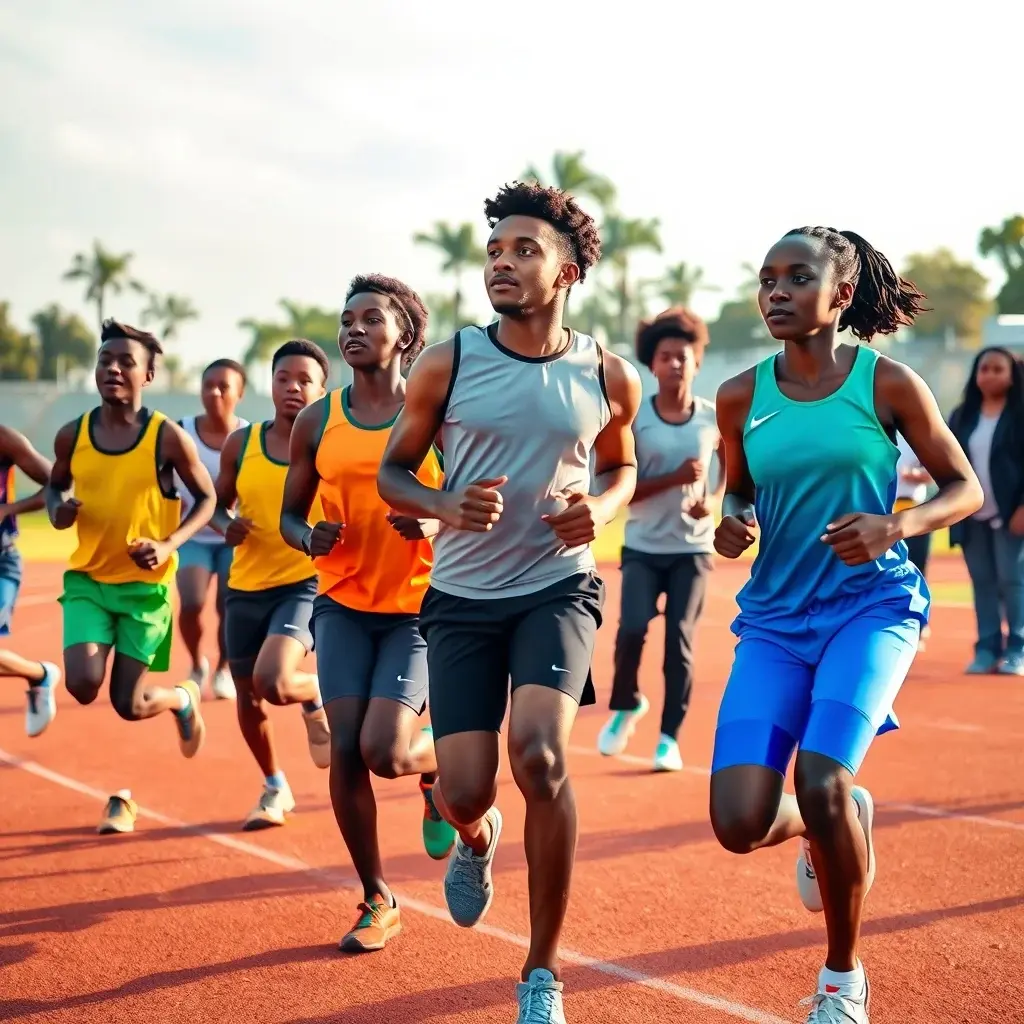
Ghanaian sprinter Ibrahim Fuseini has urged for enhanced collaboration among alumni, athletic federations, and educational institutions to create better pathways for student athletes, particularly those aiming for opportunities abroad. Fuseini, speaking on JoySports Link last Saturday, proposed a system where current successful athletes could connect with school teachers to facilitate international scouting and development projects for Ghanaian talent.
Fuseini, himself a product of Ghana’s robust inter-schools sports system, having competed for St. Augustine’s College and later Kwame Nkrumah University of Science and Technology, is now based at East Texas A&M University in the United States. His call comes amidst challenges faced by Ghanaian athletes, including his own recent inability to participate in the 2027 World Championships in Beijing due to visa issues, despite the national relay team qualifying.
The current inter-school sports system in Ghana has historically been a fertile ground for identifying and nurturing athletic talent. Many of the nation’s most successful athletes have emerged from this system, showcasing raw talent that, with the right guidance and opportunities, can be developed to an international standard. However, the transition from school-level competition to professional or international athletics often presents significant hurdles.
Fuseini’s proposed solution involves leveraging the experience and networks of established athletes like himself, Ben Azamati, and Joe Paul Amoah. He envisions these athletes acting as intermediaries, working with school administrators and coaches to identify promising individuals. The goal would be to attract international coaches or scouts to Ghana, potentially through structured projects or partnerships.
“If we could work with some of the teachers who would get in touch with Ben (Azamati), Joe Paul (Amoah), me, and others, so we could bring people from outside the country, so they could come here and start a project,” Fuseini stated. “So that whenever it’s time for the Inter School competition, they could scout athletes and send them to the United States.” This initiative aims to bridge the gap between local talent identification and international exposure, particularly for collegiate athletic programs in the US, which often offer scholarships.
The challenges faced by Ghanaian athletes in accessing international platforms are multifaceted. Visa procurement, as highlighted by Fuseini’s personal experience, remains a significant barrier for many. Beyond visas, the lack of structured development programs, limited access to advanced training facilities, and insufficient funding can hinder an athlete’s progression. The inter-school system, while strong in talent identification, may lack the resources to provide the consistent, high-level training required for elite competition.
Data from the Ghana Athletics Association indicates a steady flow of talent from educational institutions into the national sporting scene. However, the conversion rate of these promising athletes into internationally recognized competitors is an area that could be improved. Strengthening ties with alumni who have successfully navigated international sports environments could provide invaluable mentorship and practical advice.
The proposed collaboration could also involve sports federations playing a more active role in facilitating such international exchanges. By creating formal agreements with international athletic organizations or universities, federations could streamline the process of scouting, recruitment, and athlete support. This would ensure that talent identified within the inter-school system has a clear and supported pathway to higher levels of competition.
The implications of a more robust collaborative framework extend beyond individual athlete success. It could elevate the overall standard of athletics in Ghana, leading to increased national pride and potentially greater investment in sports infrastructure and development. Furthermore, it could inspire a new generation of young Ghanaians to pursue athletic careers, knowing that viable opportunities exist beyond their immediate environment.
As Fuseini currently participates in the African Athletics Senior Championships with the national relay team in Ghana, his message resonates with the ongoing efforts to develop sports in the country. The success of such a collaborative model will depend on the commitment of all stakeholders – athletes, alumni, schools, federations, and potentially international partners – to work together systematically.
Moving forward, the focus will be on whether concrete steps can be taken to implement Fuseini’s vision. The effectiveness of such cross-border scouting and development initiatives, coupled with addressing systemic issues like visa access and funding, will be critical indicators of progress for Ghanaian student athletes seeking global opportunities.










Leave a Reply