
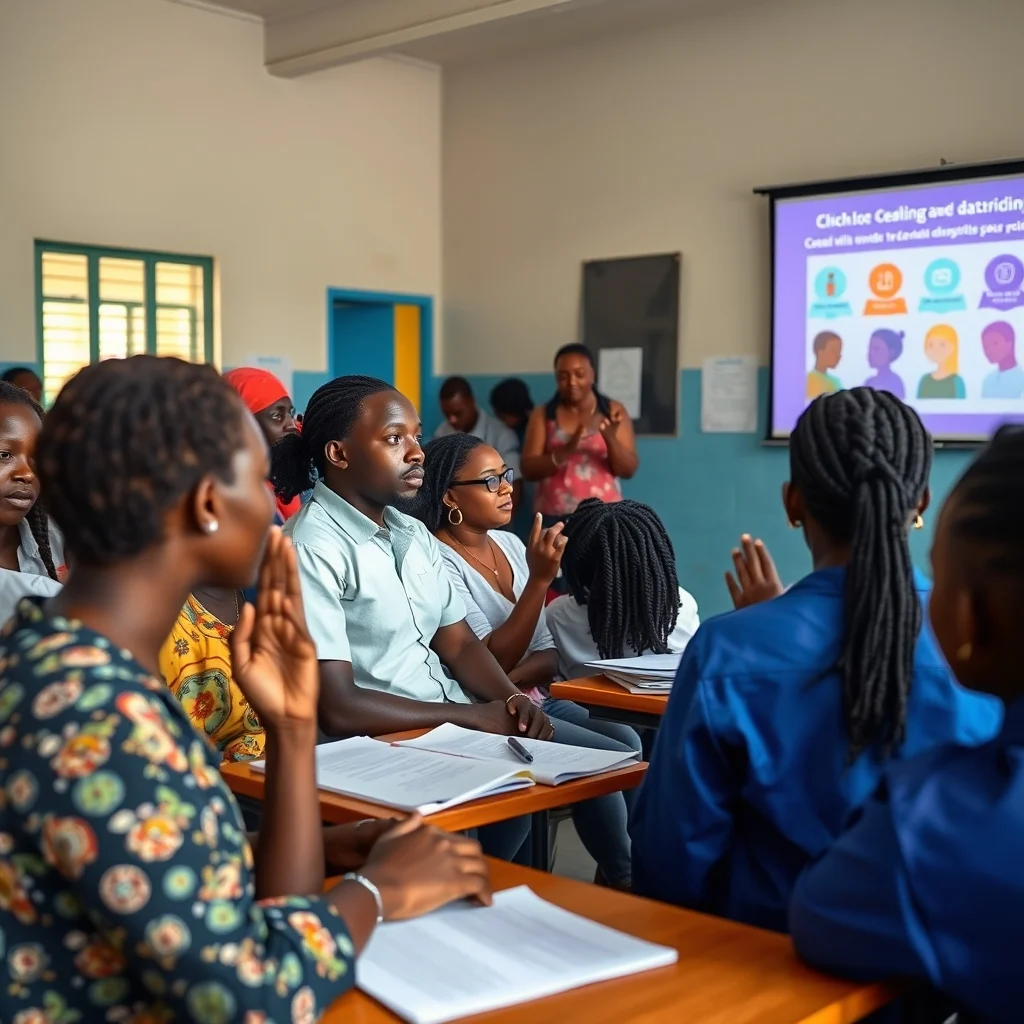
The Central Regional Department of Gender in Ghana is advocating for updated legislation to combat the growing threat of technology-facilitated gender-based violence (TFGBV). This call comes amid increasing reports of emotional trauma among Ghanaian women and children due to sophisticated online abuses like deepfakes and online impersonation, prompting an urgent need for legal reform. The push for new laws was highlighted during an educational outreach program for students at the Cape Coast School for the Deaf.
Addressing Legal Gaps in TFGBV
While Ghana possesses laws such as the Cybersecurity Act, 2020 (Act 1038), the Data Protection Act, 2012 (Act 843), the Domestic Violence Act, 2007 (Act 732), and the Electronic Communications Act, 2008 (Act 775), officials argue these do not sufficiently cover the nuances of emerging TFGBV. Madam Richlove Amamoo, Acting Central Regional Director of the Department of Gender, expressed significant concern over the psychological distress experienced by victims of these digital harms.
These harms include deepfake videos and synthetic sexual images, which are often used to target women. Online impersonation and doxing, the non-consensual release of private information online, also contribute to severe reputational, emotional, and economic damage. Madam Amamoo emphasized that these consequences are frequently irreversible and inadequately addressed by the current legal framework.
Educational Outreach Targets Vulnerable Groups
The Department of Gender, in collaboration with the Central Regional Coordinating Council and with funding from the United Nations Population Fund (UNFPA), organized an educational session for students at the Cape Coast School for the Deaf. This initiative aimed to raise awareness about TFGBV and equip vulnerable children with knowledge to resist online exploitation.
During the program, students learned about the methods perpetrators use to lure children into non-consensual sexual activities. The long-term effects of such abuse on victims’ lives and development were also discussed, underscoring the critical need for early intervention and education.
Madam Amamoo highlighted that deepfakes and image-based sexual abuse, which disproportionately target women (approximately 98% of cases), have profound psychological, social, and economic impacts. Doxing, another prevalent form of online abuse, can lead to extensive harassment and damage to an individual’s well-being and public standing.
Expert Perspectives on Combating Abuse
Mr Allan Paintsil, UNFPA Regional Focal Person, called for a unified approach to tackle domestic and gender-based violence. He urged communities to move beyond mere awareness and take concrete actions, such as reporting abuse, supporting victims in accessing legal and psychosocial services, and creating safe environments for disclosure without fear of stigma or retaliation.
Assistant Superintendent of Police (ASP) John Asare-Bediako, Central Regional Director of the Domestic Violence and Victim Support Unit (DOVVSU), stressed that domestic abuse transcends social classes, genders, and backgrounds. He encouraged victims and witnesses to seek help promptly, emphasizing that no one is immune and that speaking up is crucial.
ASP Asare-Bediako also advised promoting openness and honesty in relationships and cautioned against prioritizing marriage over personal safety and well-being. The educational program included representatives from various government bodies, including the Ghana Health Service, the National Youth Authority, the Judicial Service, and the Legal Aid Commission, signifying a multi-sectoral effort.
Implications and Future Directions
The call for legislative reform and the targeted educational initiatives underscore the urgent need for Ghana to adapt its legal and social frameworks to address the evolving landscape of gender-based violence in the digital age. The focus on vulnerable groups like students with hearing impairments highlights the intersectionality of challenges and the importance of inclusive protection measures.
Moving forward, stakeholders will likely focus on drafting comprehensive legislation that specifically addresses TFGBV, ensuring perpetrators can be effectively prosecuted and victims adequately protected. Public awareness campaigns will need to be intensified, particularly targeting young people and women, to empower them with knowledge and coping strategies. The success of these efforts will depend on continued collaboration between government agencies, NGOs, international partners, and community members to foster safer online and offline environments for all Ghanaians.










Leave a Reply