
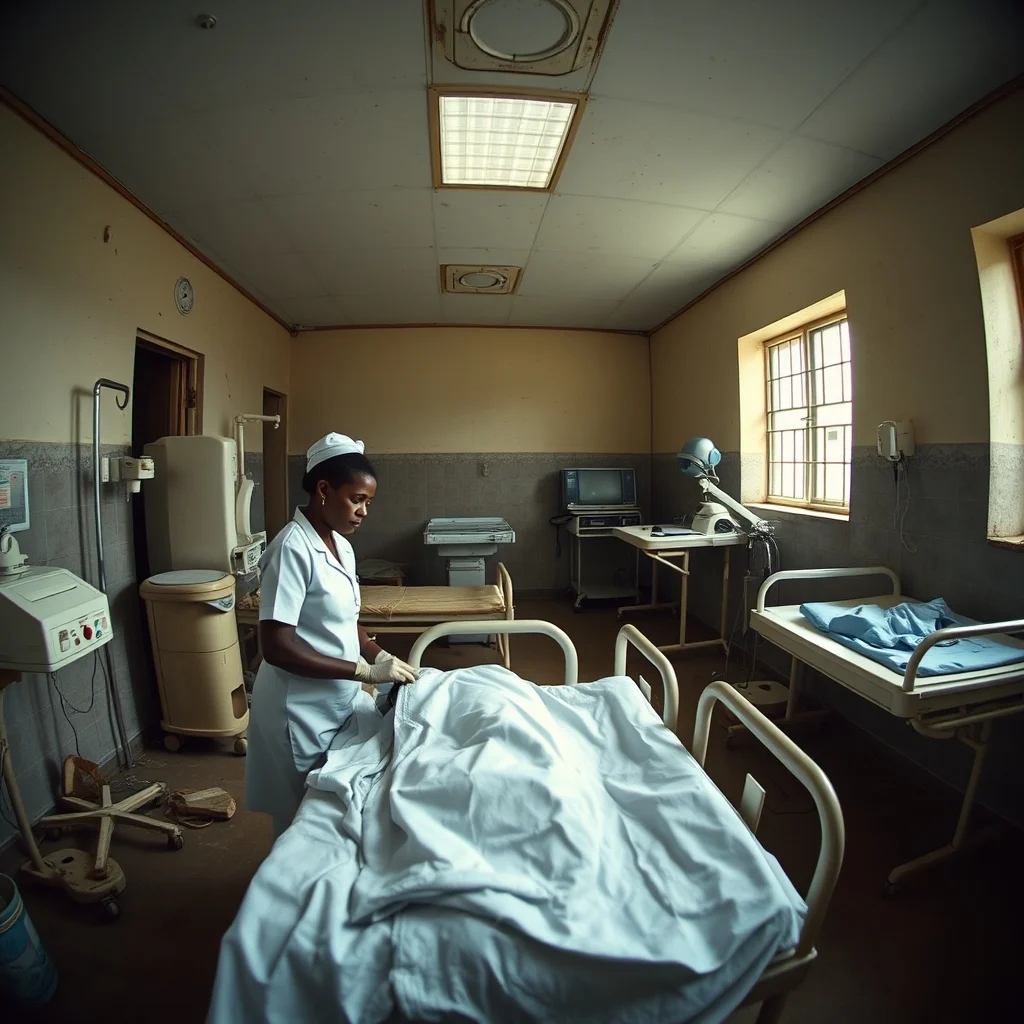
Accra, Ghana – The vast majority of Ghana’s health facilities, a staggering 95%, are not equipped with the full range of medical equipment necessary for delivering quality healthcare, according to a recent disclosure by the Minister of Health, Kwabena Mintah Akandoh. This critical equipment deficit impacts hospitals, clinics, and primary healthcare centers nationwide, hindering efficient service delivery and patient care.
Widespread Equipment Deficiencies Identified
Minister Akandoh made these remarks during a tour of the Mother and Child Hospital in Kasoa, an initiative aimed at assessing the current state of healthcare infrastructure and service provision across the country. The minister candidly admitted that many facilities are operating under challenging conditions due to inadequate equipment.
“The equipment status in this country is very, very poor, and that is what I inherited,” Akandoh stated, highlighting the long-standing nature of the problem. He described the situation as a major concern that the current administration is actively addressing.
Government Initiatives Underway
In response to the identified shortcomings, the government has initiated measures to bolster the healthcare sector. A key focus is the procurement and distribution of essential medical equipment, particularly for primary healthcare facilities. While acknowledging that the complex challenges cannot be resolved overnight, the ministry has begun deploying newly acquired equipment nationwide.
“We have bought a number of quantities of health equipment and hospital equipment that we are distributing across the length and breadth of this country. We cannot do all at once, but we have started,” the minister explained. These efforts aim to strengthen the capacity of healthcare providers at all levels.
Data Underscores Scale of the Crisis
Official data cited by the Ministry of Health confirms the severity of the equipment shortage, revealing that only five percent of health facilities possess the complete set of equipment required for effective operation. This statistic underscores the magnitude of the challenge confronting Ghana’s healthcare system and the urgent need for comprehensive solutions.
Implications for Healthcare Delivery
The lack of essential medical equipment directly impacts patient outcomes, potentially leading to delayed diagnoses, compromised treatments, and increased referral rates to better-equipped facilities, often overburdening those that do have resources. For healthcare professionals, it means working with limitations that can affect their ability to provide optimal care and can also lead to frustration and burnout.
The government’s commitment to improving the situation through procurement and distribution is a crucial step. However, the long-term sustainability of these efforts will depend on consistent funding, efficient supply chain management, and robust maintenance strategies for the newly acquired equipment. The effectiveness of these measures will be closely watched as Ghana strives to achieve universal health coverage and ensure that all citizens have access to quality medical services, regardless of their location.










Leave a Reply