
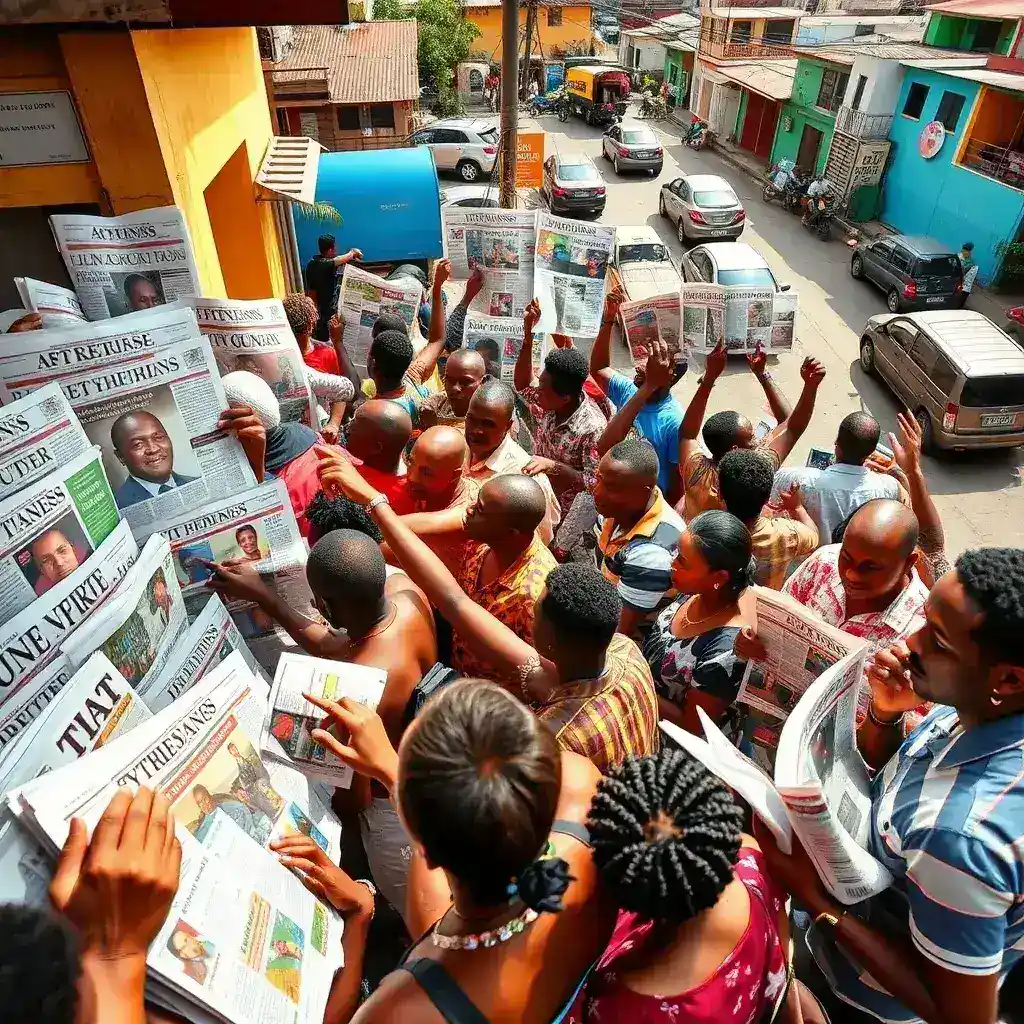
Accra, Ghana – May 13, 2026 – The diverse concerns and priorities of Ghana were laid bare today as Myjoyonline.com presented the front pages of the nation’s leading newspapers, offering a snapshot of the key issues capturing public and media attention. The compilation reveals a media landscape actively engaging with a spectrum of topics, from political developments and economic challenges to social issues and international relations.
A Glimpse into National Discourse
Each morning, the front pages of Ghanaian newspapers serve as a crucial barometer of the nation’s collective consciousness. Today’s selection, as curated by Myjoyonline.com, highlights the ongoing narratives shaping public discourse. These headlines often reflect the immediate concerns of citizens, the agenda-setting efforts of political actors, and the investigative work of journalists.
Key Themes Emerge
While specific headlines vary, recurring themes typically dominate the Ghanaian press. These often include the state of the national economy, with particular attention to inflation, employment, and government fiscal policies. Political analysis, including parliamentary proceedings, government pronouncements, and opposition critiques, frequently occupies prominent space.
Social issues such as education, healthcare access, and crime rates also consistently feature. Furthermore, Ghana’s role in regional and international affairs, including its diplomatic engagements and contributions to peacekeeping efforts, often garners significant coverage. Environmental concerns, particularly those related to natural resource management and climate change impacts, are also increasingly finding their way onto front pages.
The Role of Media in a Democracy
The compilation of front pages underscores the vital role of a free and independent press in a democratic society. Newspapers act as watchdogs, holding power accountable and informing the citizenry. The diversity of stories presented suggests a media ecosystem striving to cover a wide array of public interests.
According to the 2025 World Press Freedom Index by Reporters Without Borders, Ghana consistently ranks among the top African nations for press freedom, though challenges remain. This continued engagement with diverse issues on front pages indicates a resilient media sector navigating these complexities.
Data Points and Expert Views
Analyzing the front pages can offer insights into journalistic priorities. For instance, a surge in coverage of economic indicators might correlate with public anxiety over rising living costs, a trend observed across many developing economies. Conversely, increased political reporting may signal an election cycle or significant legislative developments.
Dr. Kwesi Aning, a security analyst at the Kofi Annan International Peacekeeping Training Centre, has previously noted that media coverage often mirrors societal anxieties. “When the headlines reflect a focus on security or economic stability, it’s a direct signal of what the populace is feeling and what policymakers are grappling with,” he stated in a 2024 interview.
Implications for the Public and Industry
For the Ghanaian public, the daily front pages serve as an essential guide to understanding the nation’s challenges and progress. They empower citizens to engage in informed discussions and hold their leaders accountable. The breadth of topics covered ensures that a wide range of public concerns are acknowledged and potentially addressed.
For the media industry, the continuous production of diverse front pages signifies ongoing journalistic effort and commitment. It also highlights the challenges of maintaining financial sustainability in a rapidly evolving media landscape, where digital platforms increasingly compete for attention and advertising revenue.
Looking Ahead
As Ghana navigates its future, the themes emerging from its newspaper front pages will continue to be a critical indicator of national priorities and societal dynamics. Observers will watch for shifts in focus that might signal emerging crises, policy changes, or evolving public sentiment. The ongoing interplay between the media, government, and the public will undoubtedly shape the narratives that define Ghana’s path forward.










Leave a Reply