
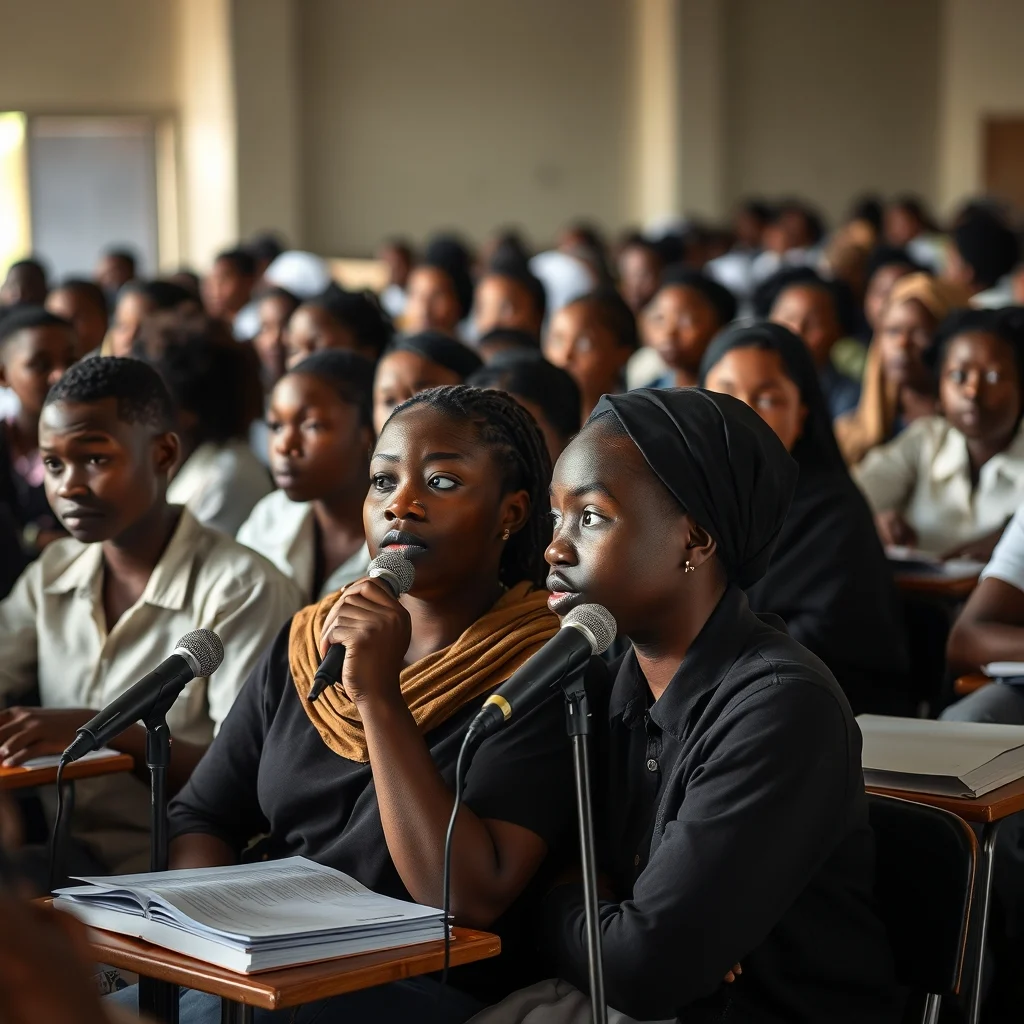
Over 500,000 final-year Senior High School (SHS) students across Ghana began the 2026 West African Senior School Certificate Examination (WASSCE) today, April 1, 2026, commencing with Oral English. This nationwide examination sees 509,862 candidates, comprising 225,274 males and 284,588 females, participating under the auspices of the West African Examinations Council (WAEC).
WASSCE Returns to Pre-Pandemic Schedule
The commencement of the 2026 WASSCE signifies a full return to the traditional May-June academic calendar for member states. This marks a significant milestone after several years of disruptions and rescheduling caused by the COVID-19 pandemic. In previous years, the examination cycle was pushed to later months, with 2020 examinations held between July and September, and the 2021 edition taking place from August to October.
Following the global health crisis, West African nations including Nigeria, Liberia, Sierra Leone, and The Gambia have collaborated to harmonize their academic calendars. This coordinated effort aims to restore the original timetable for the regional examination, ensuring consistency and predictability for students and educational institutions.
Examination Structure and Scope
While the Oral English paper marks the official start for many, the 2026 WASSCE examination cycle had already begun earlier with practical sessions and project work. These included subjects like Visual Arts and Home Economics, reflecting the comprehensive nature of the examination.
This year’s Oral English examination is being conducted simultaneously across all member countries of WAEC, a departure from recent years where Ghanaian candidates sometimes took it as a standalone paper. This synchronized approach underscores the regional cooperation in educational assessment.
Regional Candidate Distribution
The Ashanti Region leads in candidate numbers, with 127,702 students registered for the examination, including 57,885 males and 69,817 females. The Eastern Region follows closely with 70,099 candidates, comprising 29,810 males and 40,289 females.
Collectively, the Bono, Bono East, and Ahafo regions account for 67,739 candidates (29,658 males, 38,081 females). The Central Region has 61,303 candidates, while the Greater Accra Region has 48,099 participants (22,418 males, 25,681 females).
Further regional breakdowns show the Volta Region with 41,622 candidates (19,261 males, 22,361 females). The Oti and Western North regions combined have 35,620 candidates (14,480 males, 21,140 females).
The Northern ecological zone, encompassing the Northern, North East, and Savannah regions, registered 33,155 candidates. The Upper East Region has 15,192 candidates (6,093 males, 9,099 females), and the Upper West Region concludes with 9,249 candidates (3,985 males, 5,264 females).
Expert Insights and Data
Dr. Kwabena Mensah, an education analyst, commented on the return to the traditional calendar. “Restoring the May-June examination schedule is crucial for educational stability. It allows for better planning of tertiary admissions and reduces the learning gaps that often arise from prolonged academic sessions,” he stated.
WAEC statistics highlight a notable increase in female candidates this year, with 284,588 compared to 225,274 males. This trend reflects broader societal shifts towards greater female participation in secondary education across the region.
Implications for Students and the Education Sector
The successful commencement of the WASSCE under the standard timetable is expected to streamline the transition for students into tertiary institutions. It also provides a clearer academic roadmap for schools, enabling better resource allocation and curriculum planning.
The synchronized examination across member states reinforces regional integration in education. It sets a precedent for future collaborations in setting and marking standards, potentially leading to more equitable educational outcomes across West Africa.
What to Watch Next
As the examination progresses, attention will be on the integrity of the examination process and the timely release of results. The performance of candidates, particularly in relation to previous years, will be closely monitored to gauge the impact of the return to the traditional calendar. Furthermore, discussions surrounding educational reforms and curriculum adjustments in light of the WASSCE outcomes are anticipated in the coming months.










Leave a Reply